Skip to content
White-throated Sparrow (Zonotrichia albicollis)
Summary
- Natural history: White-throated Sparrows come in two permanently different color forms, tan-striped and white-striped, each with its own behavior and genetics, and each almost always pairs up with a mate of the opposite stripe color rather than its own, giving the species an unusual four-way mating system. In Vermont it favors young, brushy regrowth after logging, fire, windstorms, or beaver flooding, and it also nests in the stunted, wind-battered spruce atop the highest peaks of the Green Mountains. As the state’s forests have matured over recent decades, this early-successional specialist has declined both here and regionally, though it remains common on the mountaintops, where natural disturbance keeps its scrubby habitat renewed.
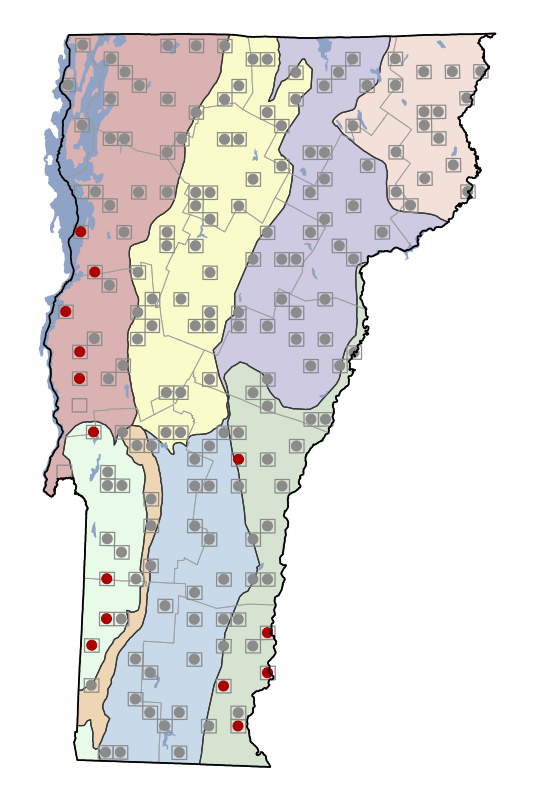
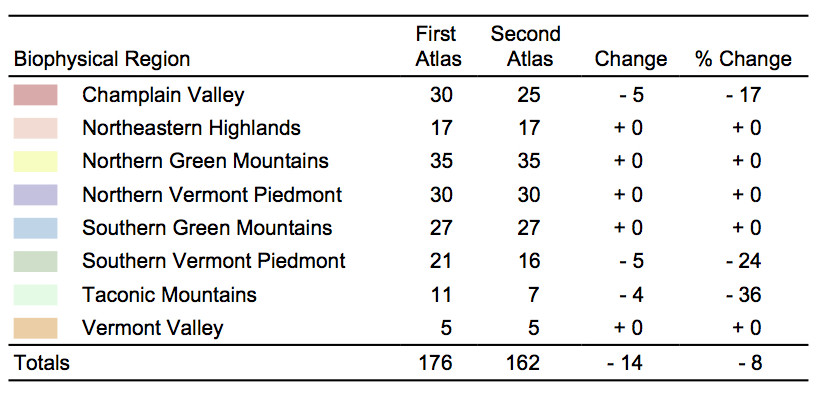
- Status in VT: Decreased by 8% (176 to 162 blocks). Greatest decreases in Taconic Mountains.
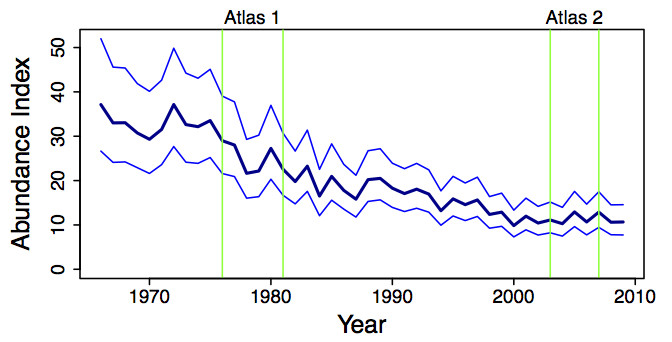
- Data from other research: FBMP: significant annual decrease of 4.6%.
- Conservation status: State rank S5B
- Other atlases: NY: -14%; PA: -26%; ON: no change
- VT’s role in North American range: VT is within the core of the range.
- Causes of change since first Atlas: Maturation of forests.
- Management/Monitoring recommendations:No specific recommendations.
Population Trends
First Vermont Breeding Bird Atlas (1976-1981)
Species Account
Second Vermont Breeding Bird Atlas (2003 – 2007)
Species Account
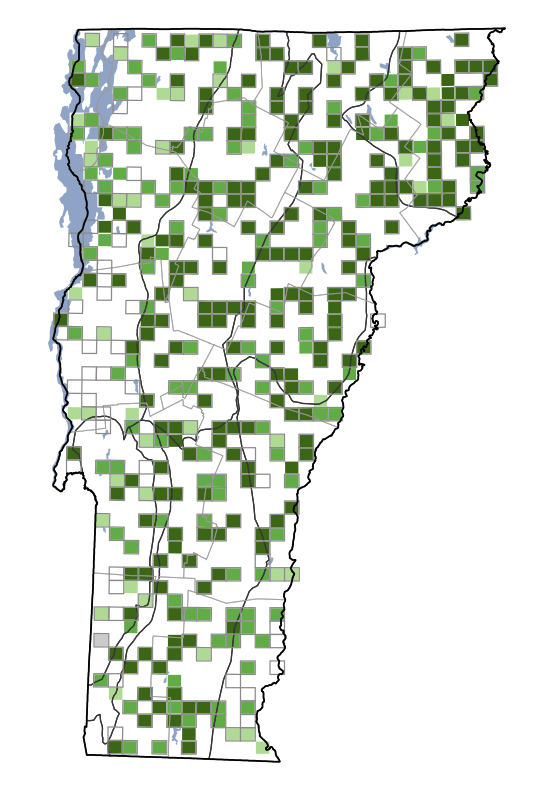
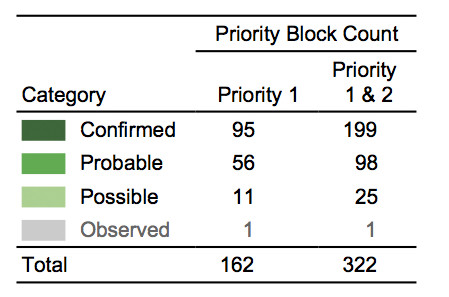
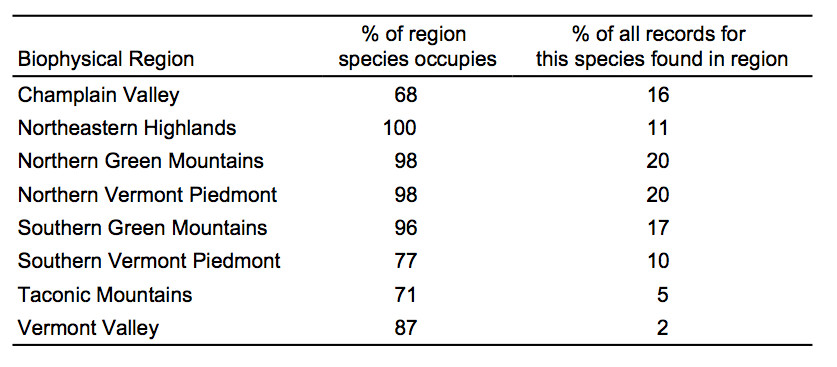
Change in Distribution

Links
Vermont eBird
Encyclopedia of Life
All About Birds