Skip to content
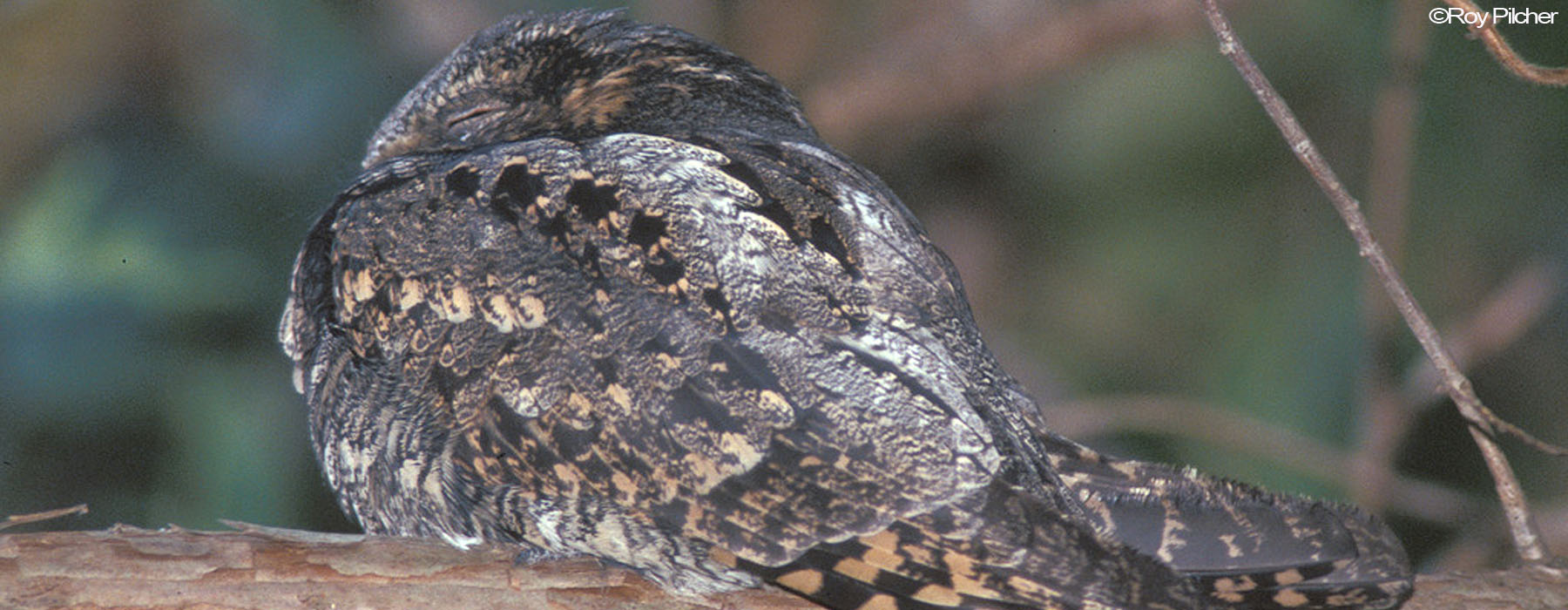
Eastern Whip-poor-will (Caprimulgus vociferus)
Summary
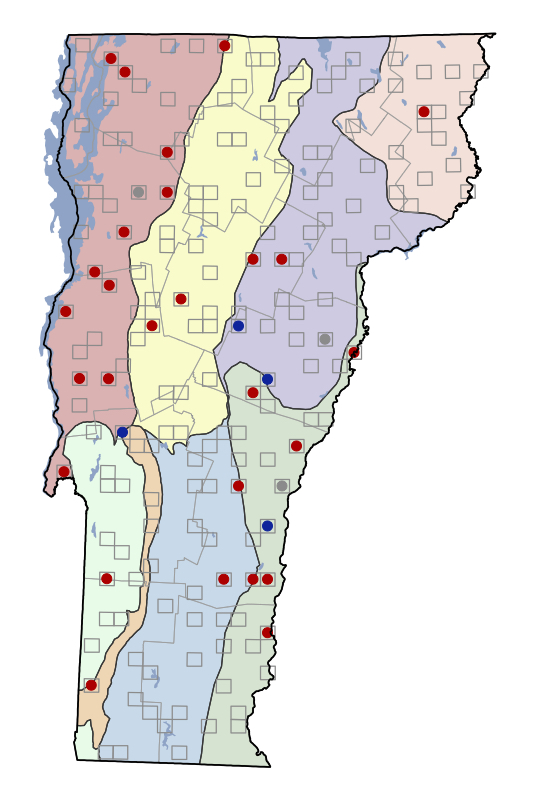
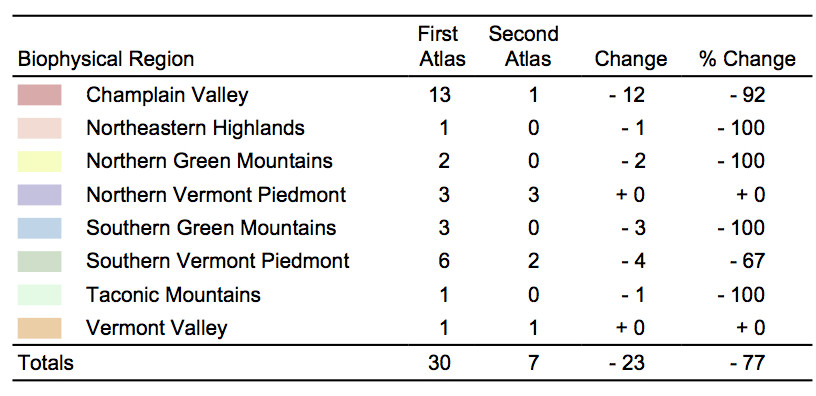
- Status in VT: Decreased by 77% (30 to 7 blocks). Essentially disappeared from Green Mountains, Taconic Mountains, and Northeastern Highlands.
- Data from other research: Detected on 7 of 30 routes surveyed in 2005-07.
- Conservation status: State rank S2B; SSC; SGCN-H
- Other atlases: MD, NY, ON, PA: average decline of 54%
- VT’s role in North American range: VT is near the northeastern edge of the range.
- Causes of change since first Atlas: Forest maturation and development leading to reduction of edge habitat; predation (e.g., cats, raccoons); decline of large moth populations from pesticides used to control forest pest insect species (?).
- Management/Monitoring recommendations: Targeted surveys; continue regional monitoring program; research needed to determine causes of declines, to understand demographics, and to determine whether there are significant threats on the wintering grounds.
First Vermont Breeding Bird Atlas (1976-1981)
Species Account
Second Vermont Breeding Bird Atlas (2003 – 2007)
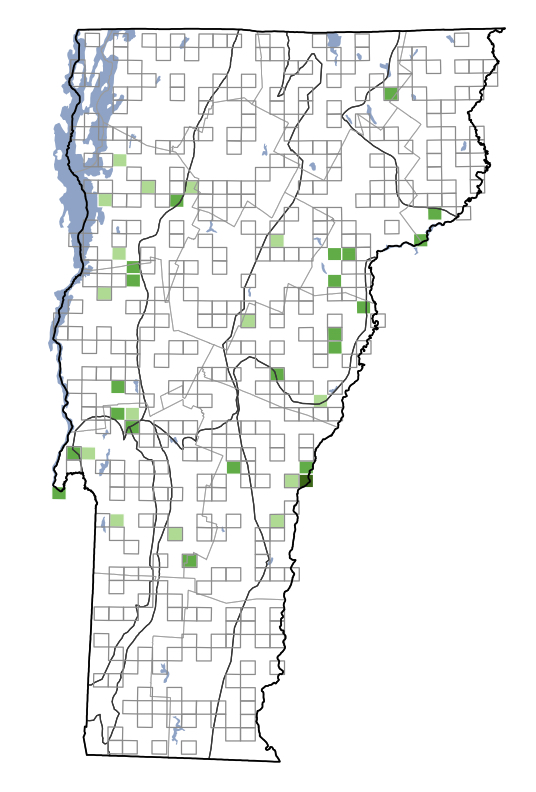
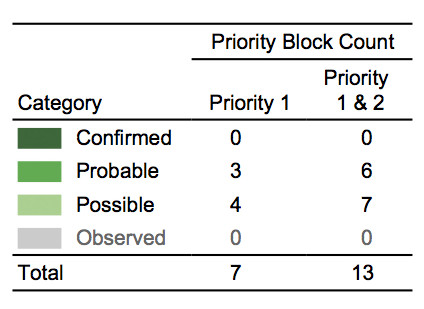
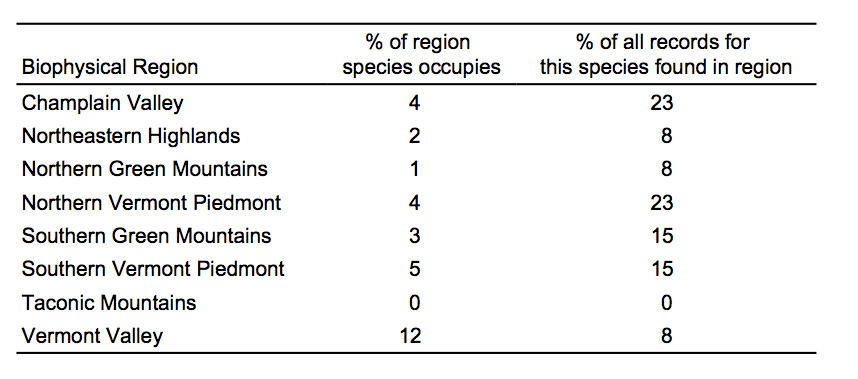
Change in Distribution

Links
Vermont eBird
Encyclopedia of Life
All About Birds