Skip to content
Sedge Wren (Cistothorus platensis)
Summary
- Natural history: Few North American songbirds breed on such an unusual schedule as the Sedge Wren, which raises one round of young in the upper Midwest each spring, and then some individuals relocate hundreds of miles east to attempt a second brood in New England hayfields as summer winds down. This nomadic, opportunistic strategy means a Vermont bird rarely uses the same hayfield two years running, and the species remains listed as endangered in Vermont, New Hampshire, Maine, and Connecticut alike.
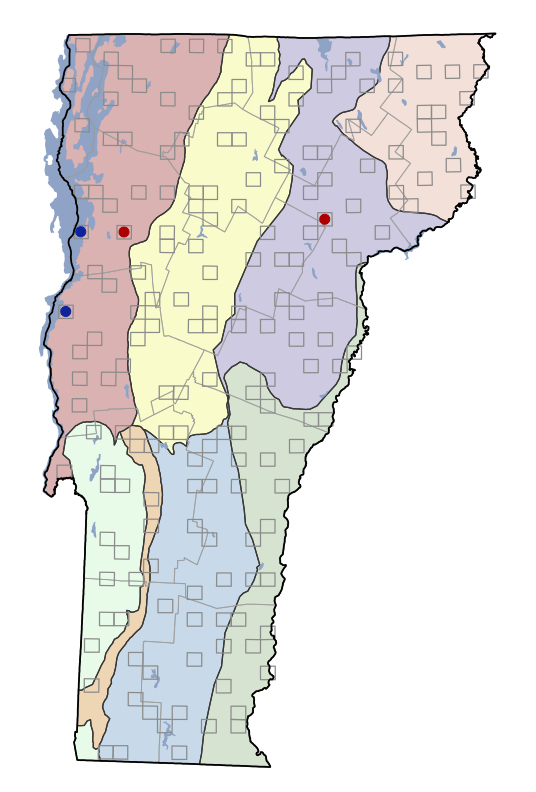
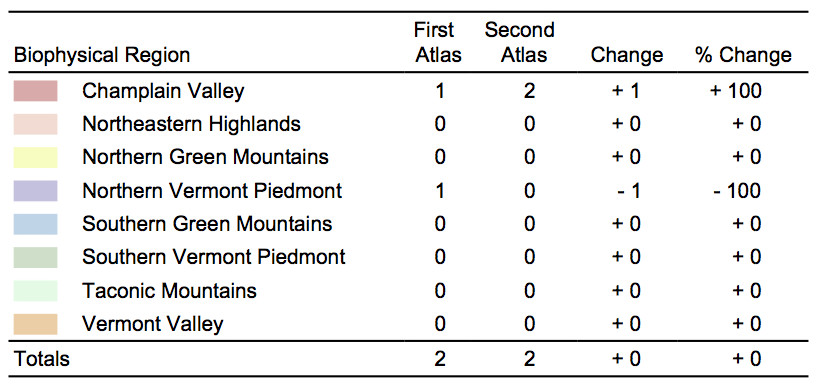
- Status in VT: No change (2 to 2 blocks).
- Data from other research: No additional data for VT.
- Conservation status: State rank S2B; SGCN-H; E
- Other atlases: NY: 26%; PA: 38%
- VT’s role in North American range: VT is on the eastern of the range.
- Causes of change since first Atlas: Minimal change.
- Management/Monitoring recommendations: Generally breeds in VT late in season after breeding elsewhere first. Maintain large, undisturbed, wet, grass-based fields through late August; limit mowing until after 1 September.
First Vermont Breeding Bird Atlas (1976-1981)
Species Account
Second Vermont Breeding Bird Atlas (2003 – 2007)
Species Account
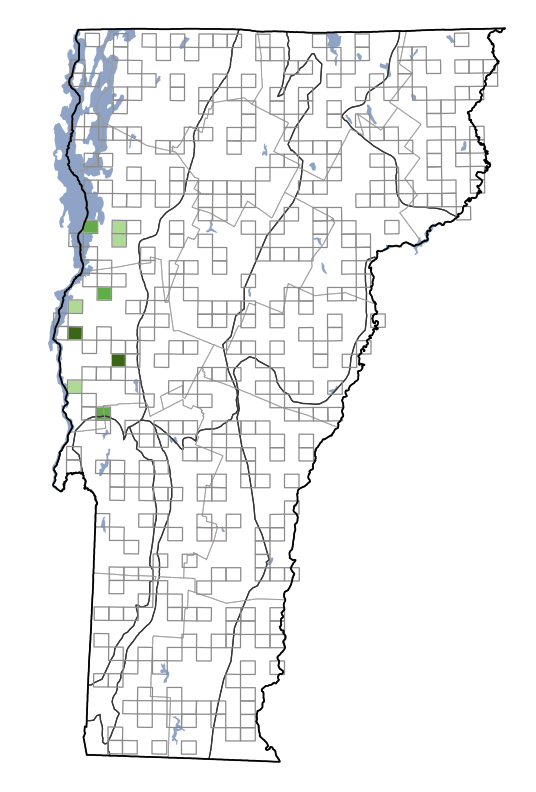
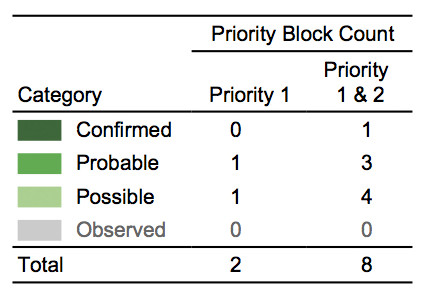
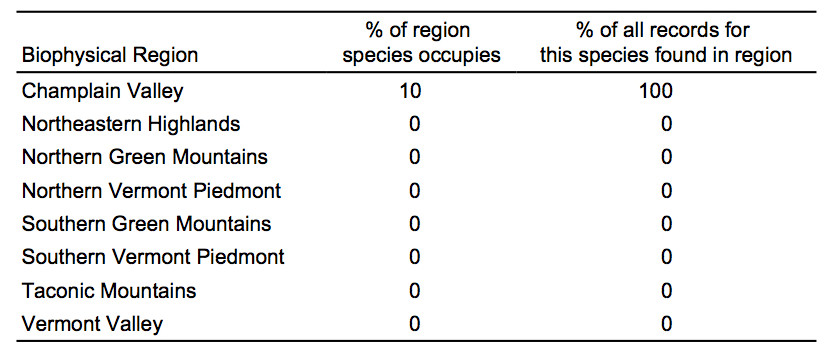
Change in Distribution

Links
Vermont eBird
Encyclopedia of Life
All About Birds