Skip to content
Ring-necked Pheasant (Phasianus colchicus)
Summary
- Natural history: Ring-necked Pheasants are native to Asia and were introduced to Vermont starting in the 1890s purely to supply hunters, not to establish a wild population. Deep, lasting snow is especially hard on the species, since pheasants find nearly all their food by scratching through soil and leaf litter rather than at feeders or in trees, and one banded bird released in Shelburne was later found 145 kilometers away in Bennington, showing how far individuals can wander. Today’s scattered population survives mainly through releases on private hunting preserves, and biologists consider a self-sustaining wild population in Vermont very unlikely.
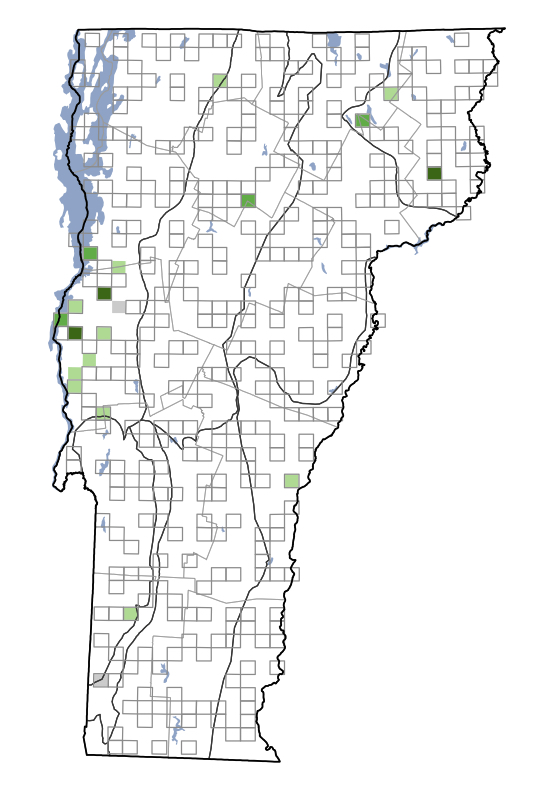
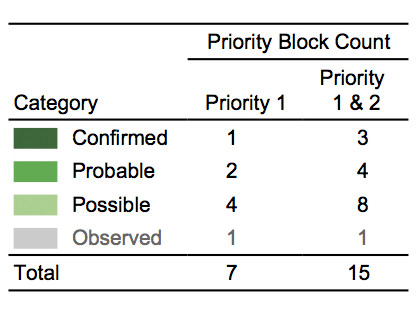
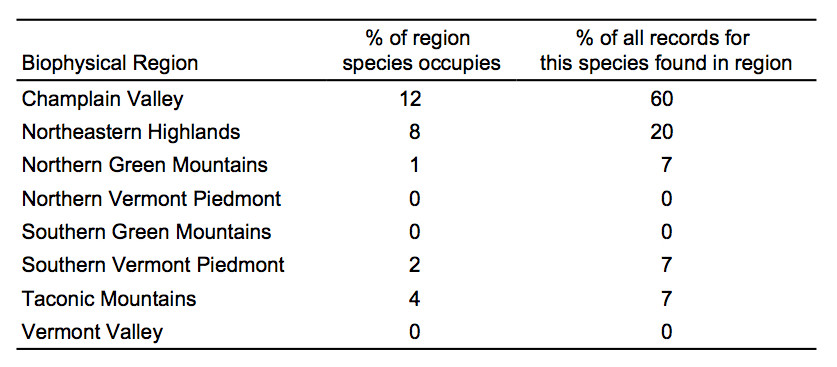
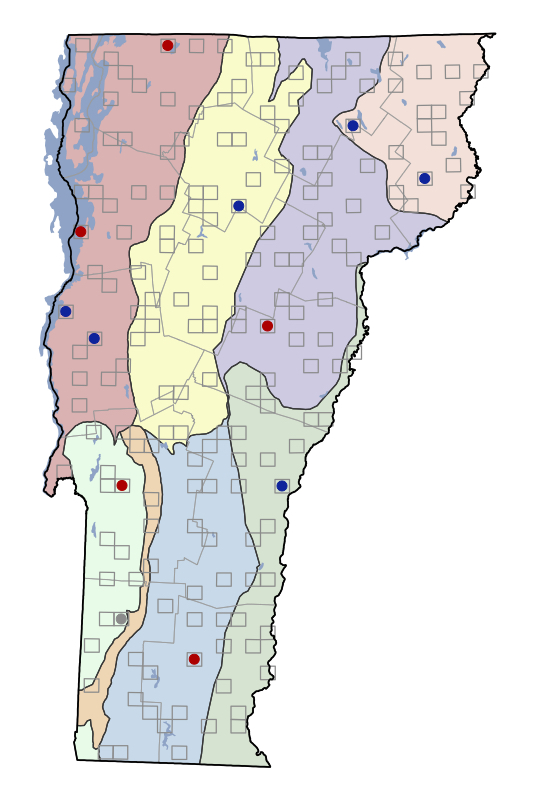
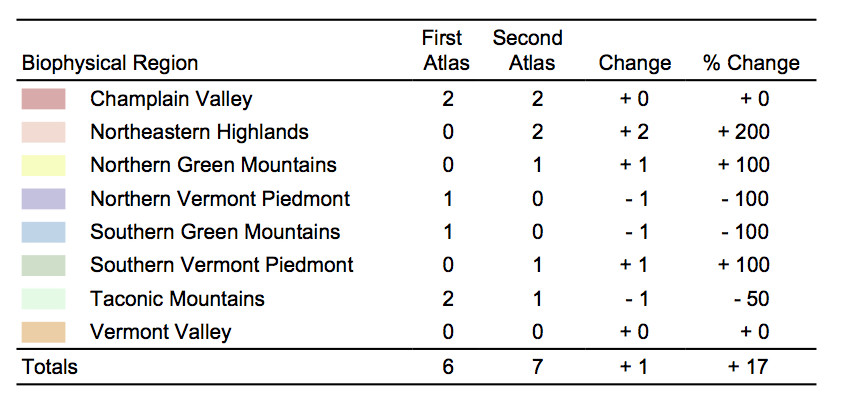
- Status in VT: Increased by 17% (6 to 7 blocks). Greatest increases in Northeastern Highlands.
- Data from other research: No additional data for VT.
- Conservation status: State rank SNA
- Other atlases: MD, NY, ON, and PA: sharp declines
- VT’s role in North American range: VT is at the northern edge of the range.
- Causes of change since first Atlas: Exotic species mostly dependent upon regular release or escape of birds into wild.
- Management/Monitoring recommendations: No specific recommendations.
First Vermont Breeding Bird Atlas (1976-1981)
Species Account
Second Vermont Breeding Bird Atlas (2003 – 2007)
Species Account
Change in Distribution

Links
Vermont eBird
Encyclopedia of Life
All About Birds