Skip to content
Ring-necked Duck (Aythya collaris)
Summary
- Natural history: Ring-necked Ducks nest over water in nutrient-poor bogs and other stable wetlands, a habitat niche quite different from the open prairie potholes many of their diving-duck relatives prefer, and the species has been steadily pushing east beyond the Great Lakes since at least the 1930s. Vermont’s breeding population wasn’t confirmed until 1965 despite suspected nesting as early as 1949, but it has since expanded rapidly into the Northeastern Highlands and Northern Vermont Piedmont, a spread that biologists partly credit to broader food preferences than related ducks have, letting the species settle into a wider range of wetlands than the bogs it favors at the core of its range.
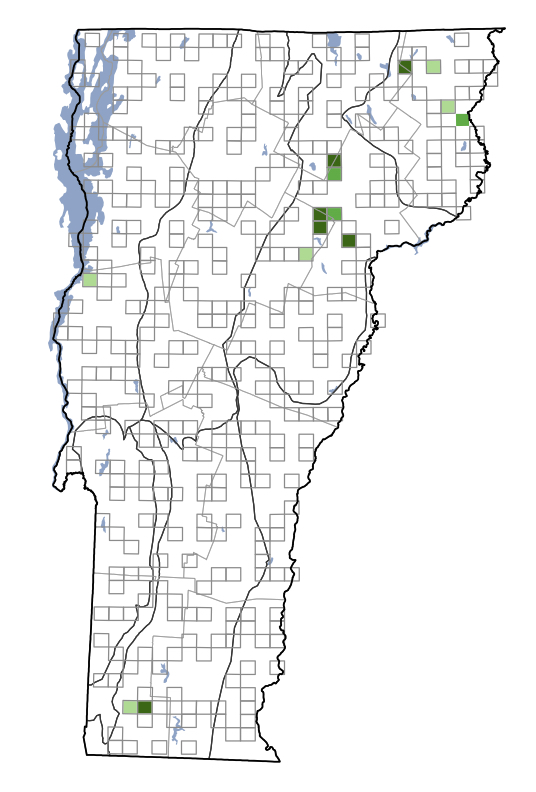
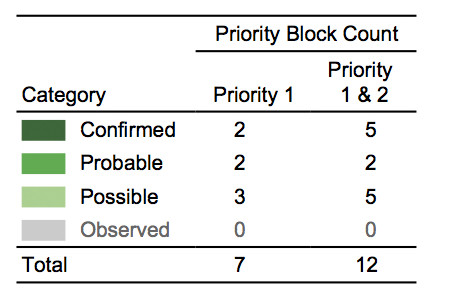
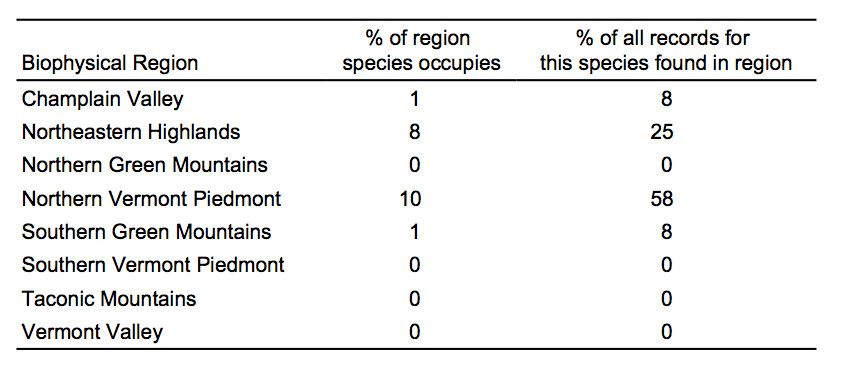
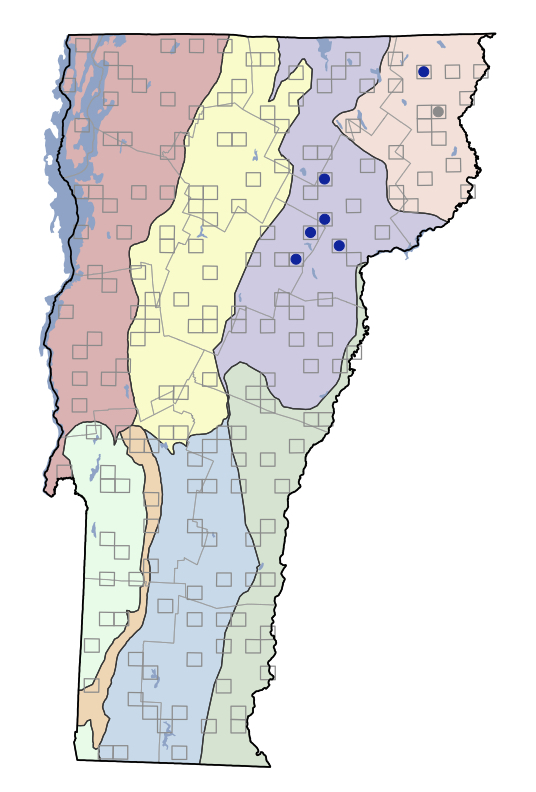
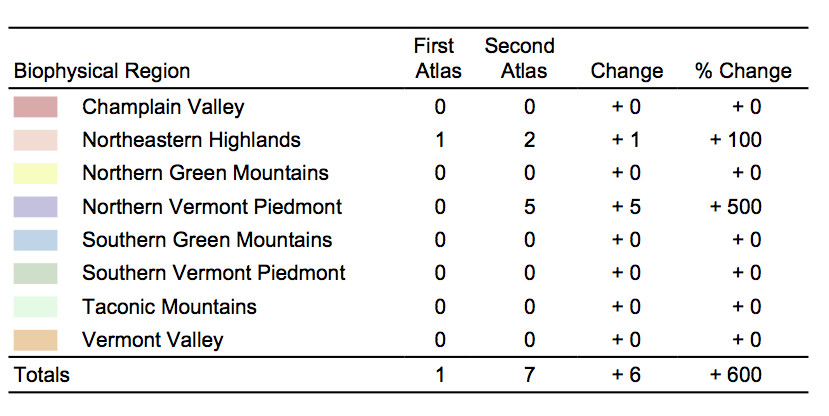
- Status in VT: Increased by 700% (1 to 8 blocks). Increases in Northern Vermont Piedmont (0 to 6 blocks) and Northeastern Highlands (1 to 2 blocks). Range expansion to the south.
- Data from other research: No additional data for VT.
- Conservation status: State rank S1B
- Other atlases: NY: 106%; PA: 400%; ON: 57%
- VT’s role in North American range: VT is on the southern edge of the range.
- Causes of change since first Atlas: U.S. eastern range expansion due to: species’ preference for forested and riverine wetlands, generalized diet, and flexibility in habitat use.
- Management/Monitoring recommendations: No current recommendations.
First Vermont Breeding Bird Atlas (1976-1981)
Species Account
Second Vermont Breeding Bird Atlas (2003 – 2007)
Species Account
Change in Distribution

Links
Vermont eBird
Encyclopedia of Life
All About Birds