Skip to content
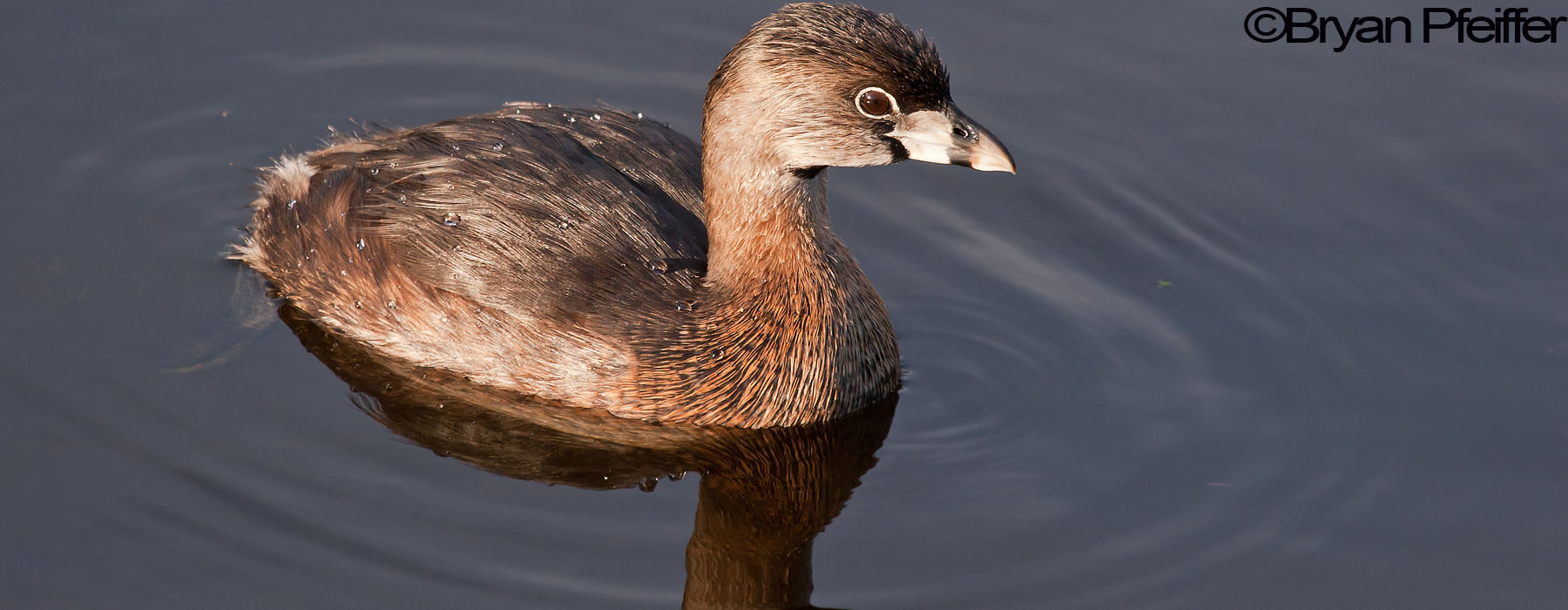
Pied-billed Grebe (Podilymbus podiceps)
Summary
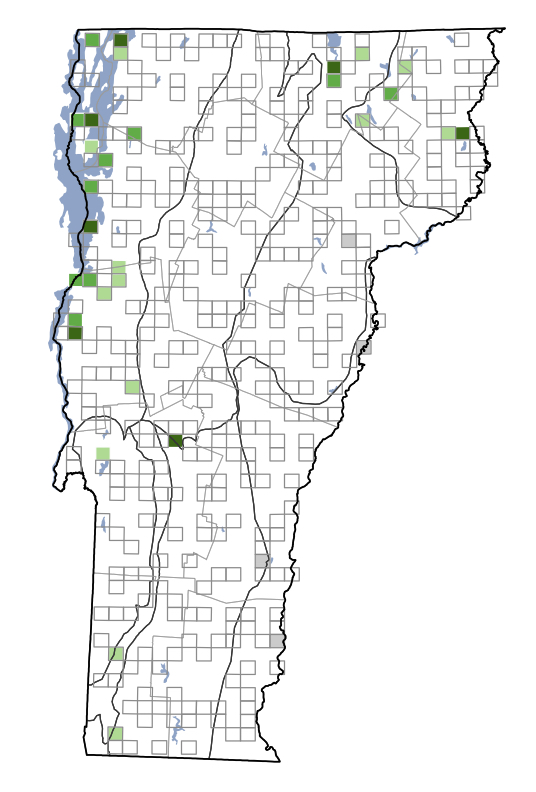
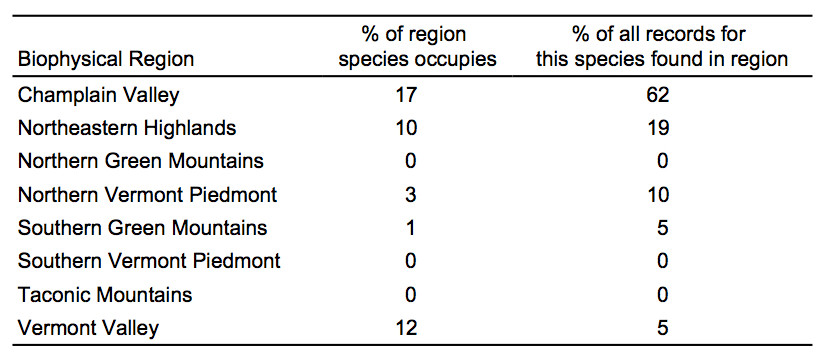
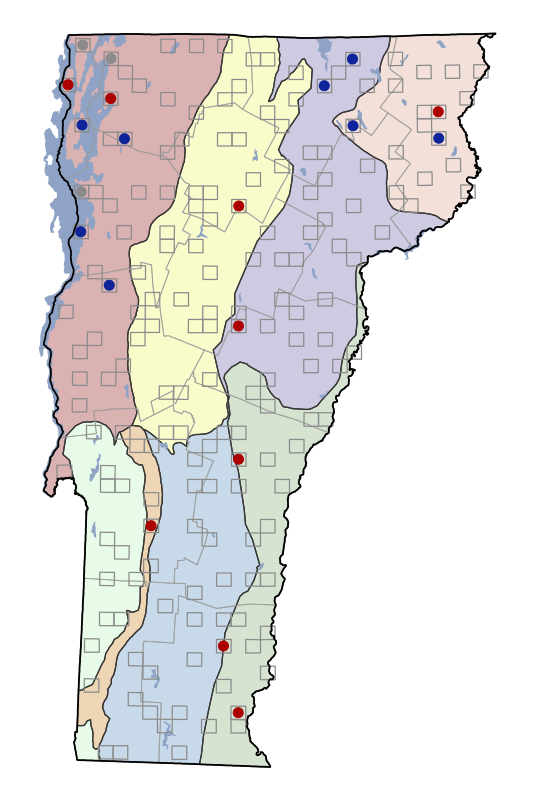
- Natural history: Pied-billed Grebes have the odd habit of eating their own feathers and feeding them to their chicks, a behavior thought to cushion the gut from sharp fish bones and help clear out parasites, and they can also flatten their feathers and press air from their plumage to slip quietly underwater rather than diving headfirst. The species needs large, shallow marshes with stable water levels bordered by open water, at least 12 acres in size, which is why Vermont’s breeding records cluster almost entirely around Champlain Valley wetlands and Lake Memphremagog. Curiously, the grebes avoid the seemingly suitable marshes along the Connecticut River, likely because water levels there fluctuate too much for their floating nests.
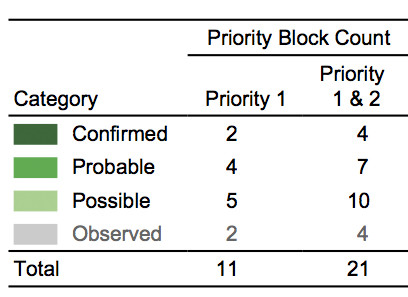
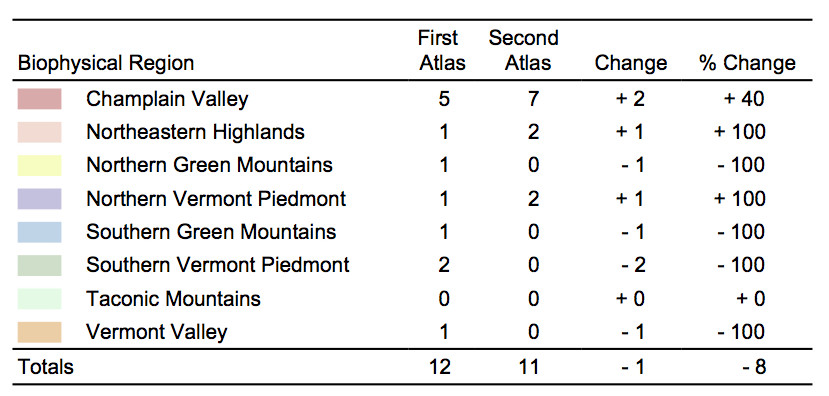
- Status in VT: Decreased by 8% (12 to 11 blocks). Decrease in southern portions of the state.
- Data from other research: No additional data for VT.
- Conservation status: State rank S2S3B; SSC; SGCN-H
- Other atlases: NY: 47%; PA: -13%; ON: Slight local increases in several areas.
- VT’s role in North American range: VT is within the core of the range.
- Causes of change since first Atlas: Unknown. Potential threats: invasive aquatic plants; mercury accumulation; degradation of aquatic systems.
- Management/Monitoring recommendations:Protection of large marsh ecosystems; maintenance of consistent water levels during breeding season; protection of nest sites from boat wakes; standardized surveys.
First Vermont Breeding Bird Atlas (1976-1981)
Species Account
Second Vermont Breeding Bird Atlas (2003 – 2007)
Species Account
Change in Distribution

Links
Vermont eBird
Encyclopedia of Life
All About Birds