Summary
- Natural history: Gadwalls weren’t known to breed anywhere in eastern North America before 1939, and Vermont logged its own first confirmed nest only in 1980, making it one of the last waterfowl species to become an established state breeder. It nests in dense grass or brush that can sit more than a mile from water, delays egg-laying until cover grows tall enough to hide the nest, and has readily taken to sewage ponds and stock ponds despite its heart being in the western prairies, part of a population boom that swept the continent in the 1980s and 90s.
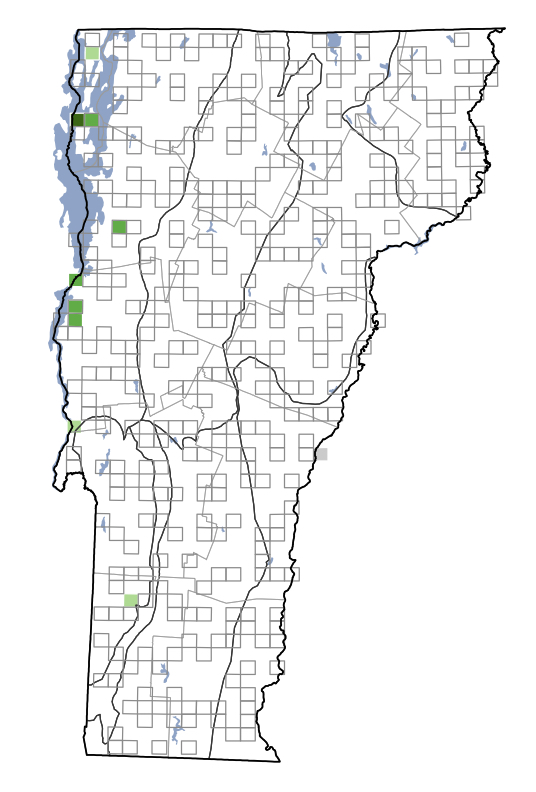
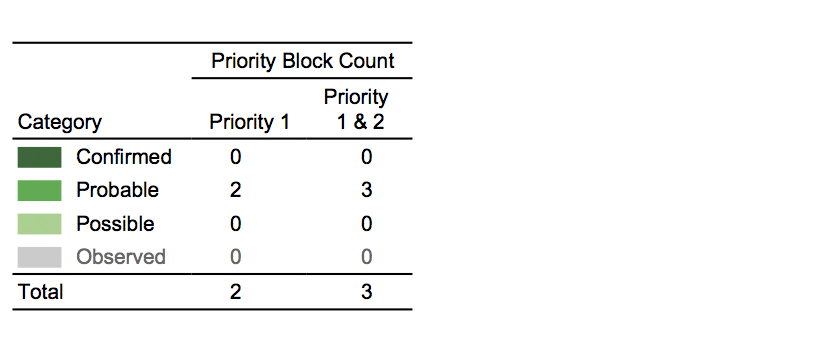
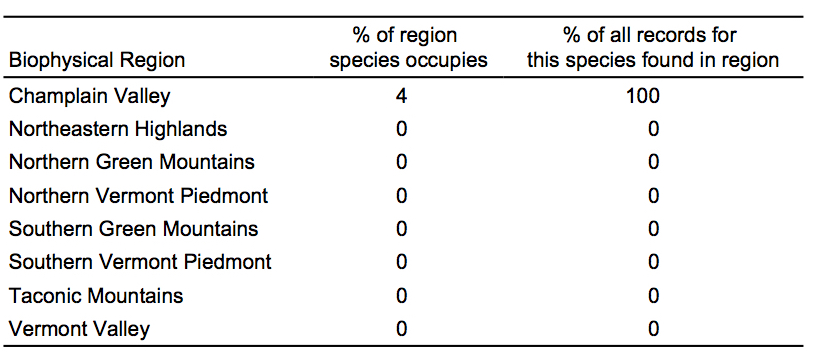
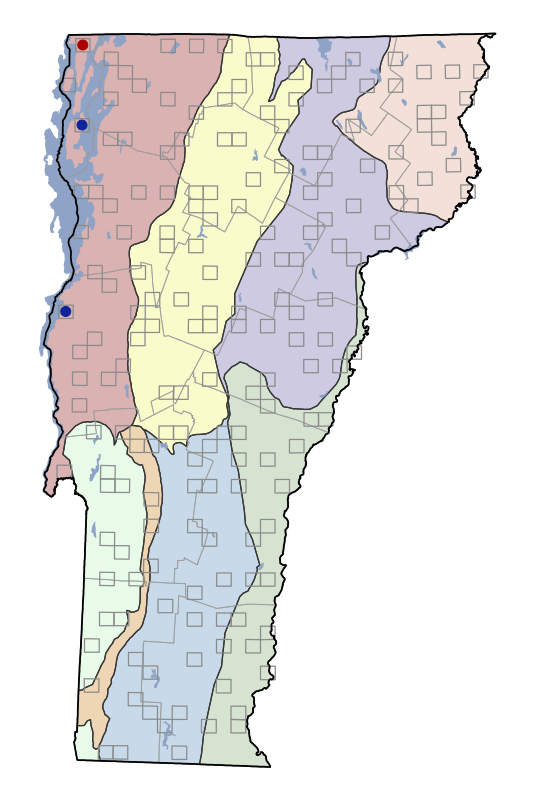
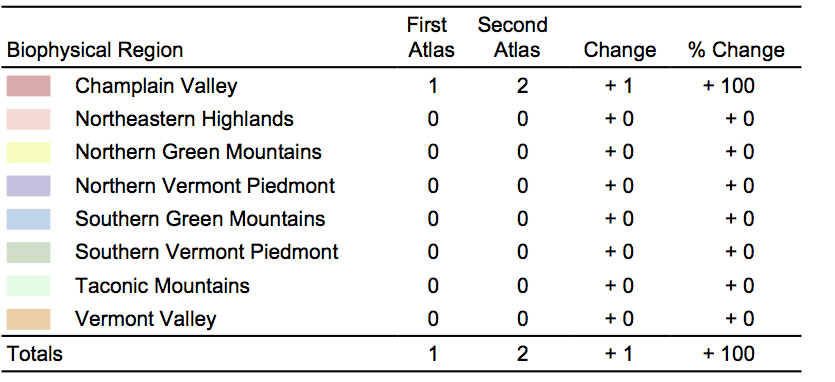
- Status in VT: Primarily a migrant. Continues to be a rare breeder in Champlain Valley. Slight increase since first Atlas.
- Data from other research: No additional data for VT.
- Conservation status: State rank S1B
- Other atlases: NY: 1%; PA: 100% (2 to 4 blocks).
- VT’s role in North American range: VT is disjunct from the breeding range.
- Causes of change since first Atlas: Minimal change. Prospects look good for continued growth of population.
- Management/Monitoring recommendations:Enhance suitable breeding habitat by delaying mowing in vicinity of potential breeding sites past mid-summer.
First Vermont Breeding Bird Atlas (1976-1981)
Second Vermont Breeding Bird Atlas (2003 – 2007)
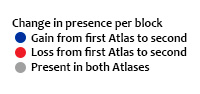
Change in Distribution
Links