Summary
- Natural history: Common Merganser chicks tumble from their tree-cavity nest to the ground within a day of hatching, sometimes dropping as far as 30 meters (98 feet) while their mother calls from below, and broods from different nests often merge later in summer into large mixed groups called crèches. The species was scarce in Vermont in the early 1900s, when the state was mostly cleared pastureland with few nest trees, but it has rebounded strongly since, with numbers climbing about 8.5 percent annually from 1982 to 2007 as Vermont’s forests matured and again offered plenty of streamside cavities.
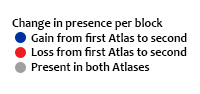
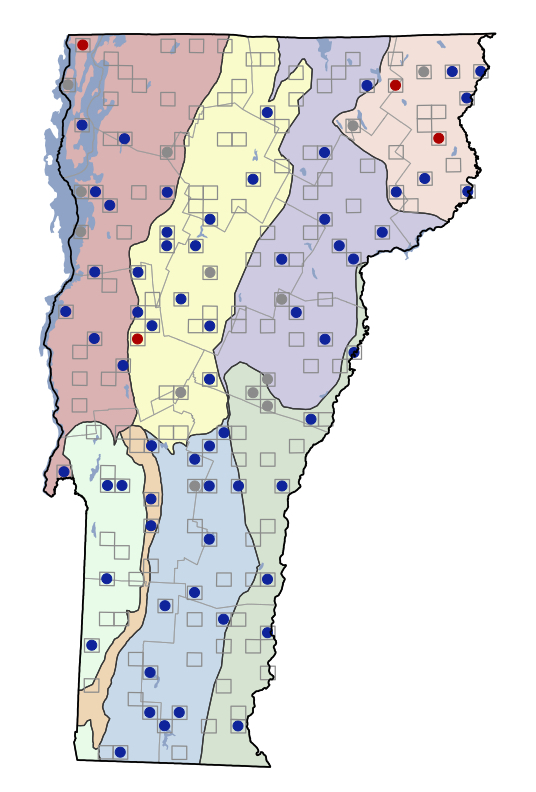
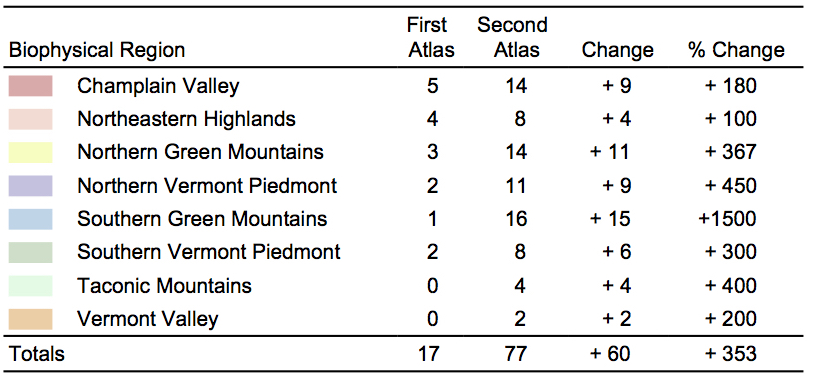
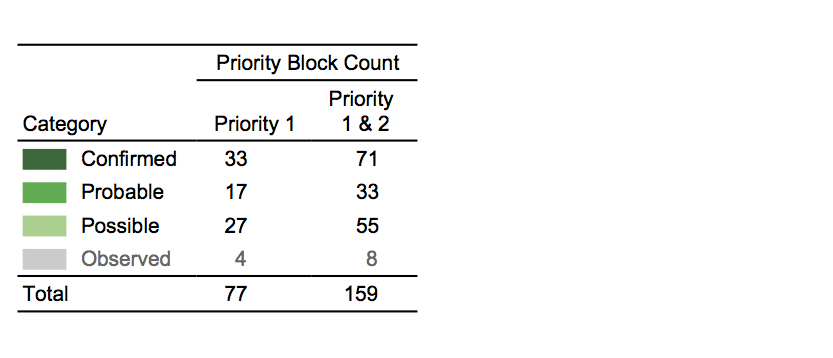
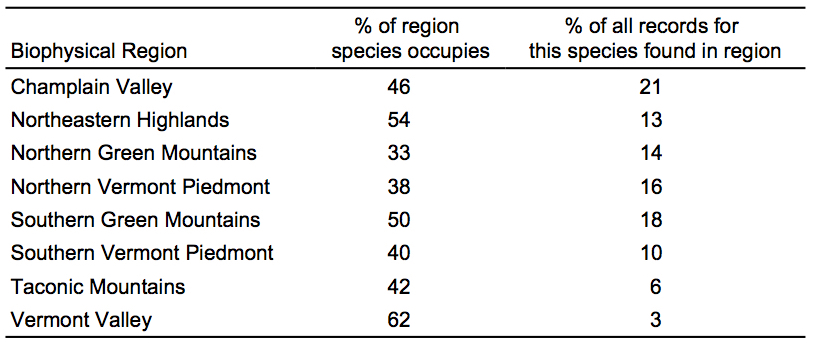
- Status in VT: Increased by 353% (17 to 77 blocks). Greatest increase in Southern Green Mountains.
- Data from other research: No additional data for VT.
- Conservation status: State rank S4B; S5N
- Other atlases: NY: 125%; PA: 148%; ON: no sig. change.
- VT’s role in North American range: VT is in the southeastern edge of the breeding range.
- Causes of change since first Atlas: Increase in forestland and availability of nest sites near water (?).
- Management/Monitoring recommendations:No current recommendations.
Population Trends

First Vermont Breeding Bird Atlas (1976-1981)
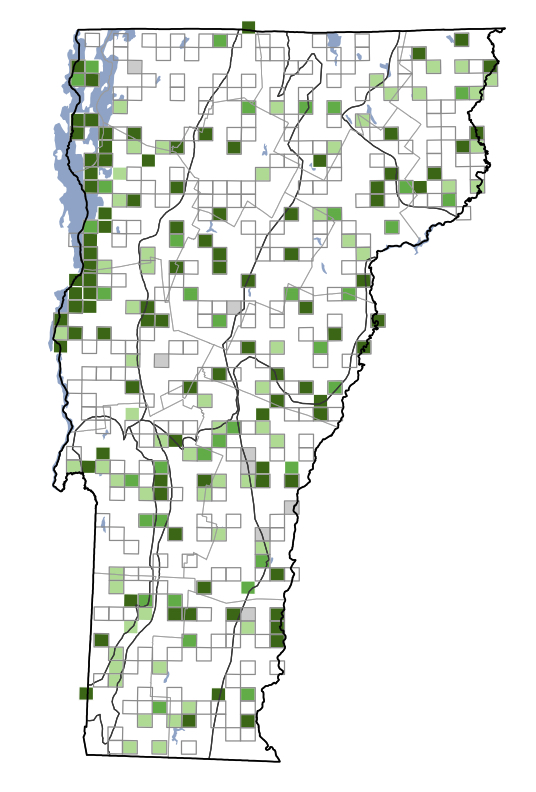
Second Vermont Breeding Bird Atlas (2003 – 2007)
Change in Distribution