Summary
- Natural history: Vermont sits at the outer edge of the Cerulean Warbler’s already patchy breeding range, which centers on the Midwest and the central Appalachians, so finding one here takes real persistence and a bit of luck. Its buzzy song closely resembles that of the more common Black-throated Blue Warbler, so observers need an actual visual sighting before they can confirm the species is present. Cerulean Warblers face threats across their range, from mountaintop-removal coal mining and forest loss in Appalachia to deforestation on their South American wintering grounds, and conservation groups have responded in part by promoting shade-grown coffee as a bird-friendlier alternative.
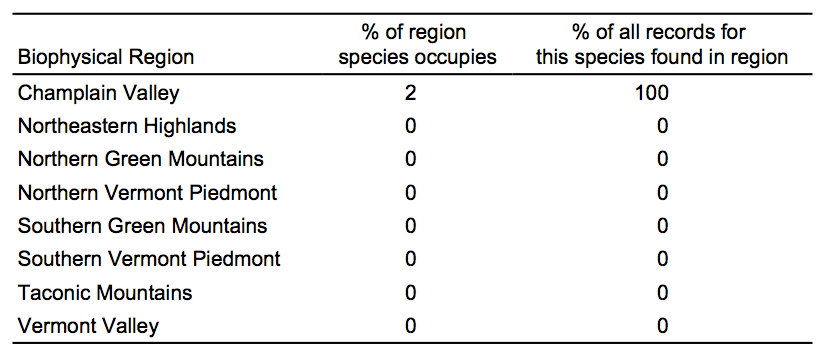
- Status in VT: Continues to be a rare breeder in the northwestern part of the sate.
- Data from other research: No additional data for VT.
- Conservation status: State rank S1S2B; SSC; SGCN-M
- Other atlases: NY: -13%; PA: 7%; ON: non-significant decrease
- VT’s role in North American range: Vermont is at the northeastern edge of the range.
- Causes of change since first Atlas: No Change. Threats include: loss of both wintering and breeding habitat; development; loss of mature trees; mountaintop-removal coal mining; forest clearing.
- Management/Monitoring recommendations: Promote shade-grown coffee on wintering grounds; develop mine reclamation guidelines; conduct targeted surveys in the Champlain Valley on large tracts of mature forest with gaps in order to refine our description of its local habitat preferences.
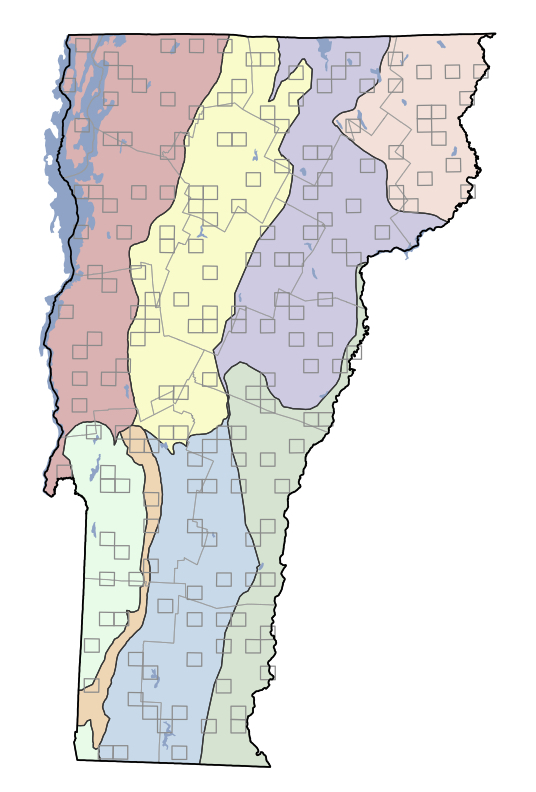
First Vermont Breeding Bird Atlas (1976-1981)
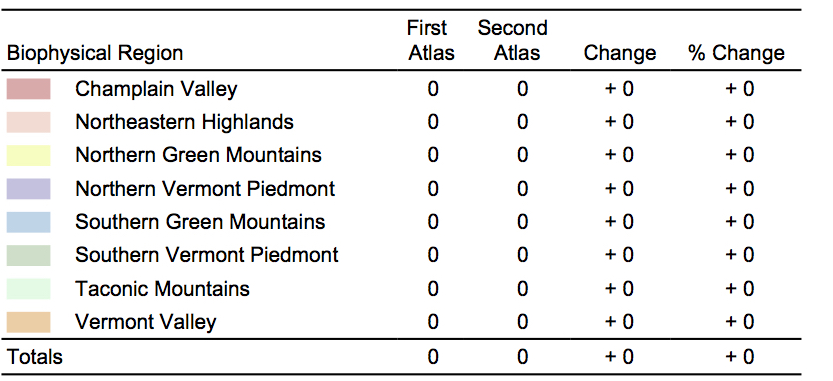
Second Vermont Breeding Bird Atlas (2003 – 2007)
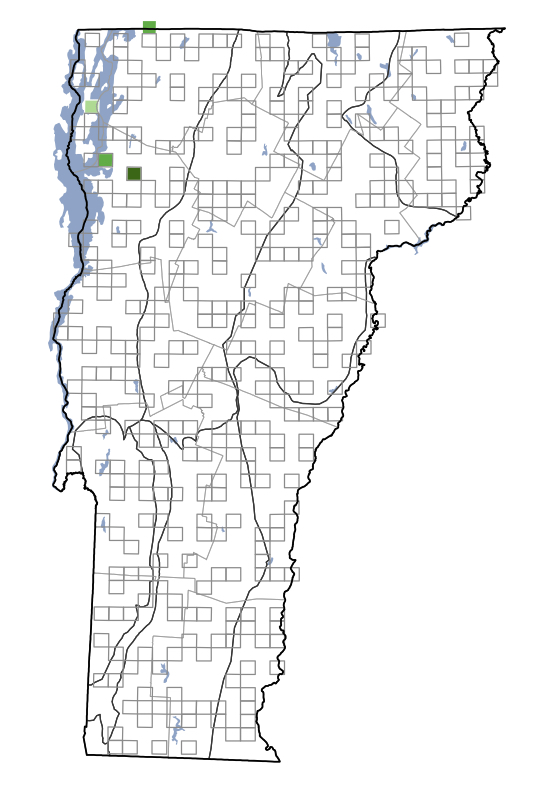

Change in Distribution