Summary
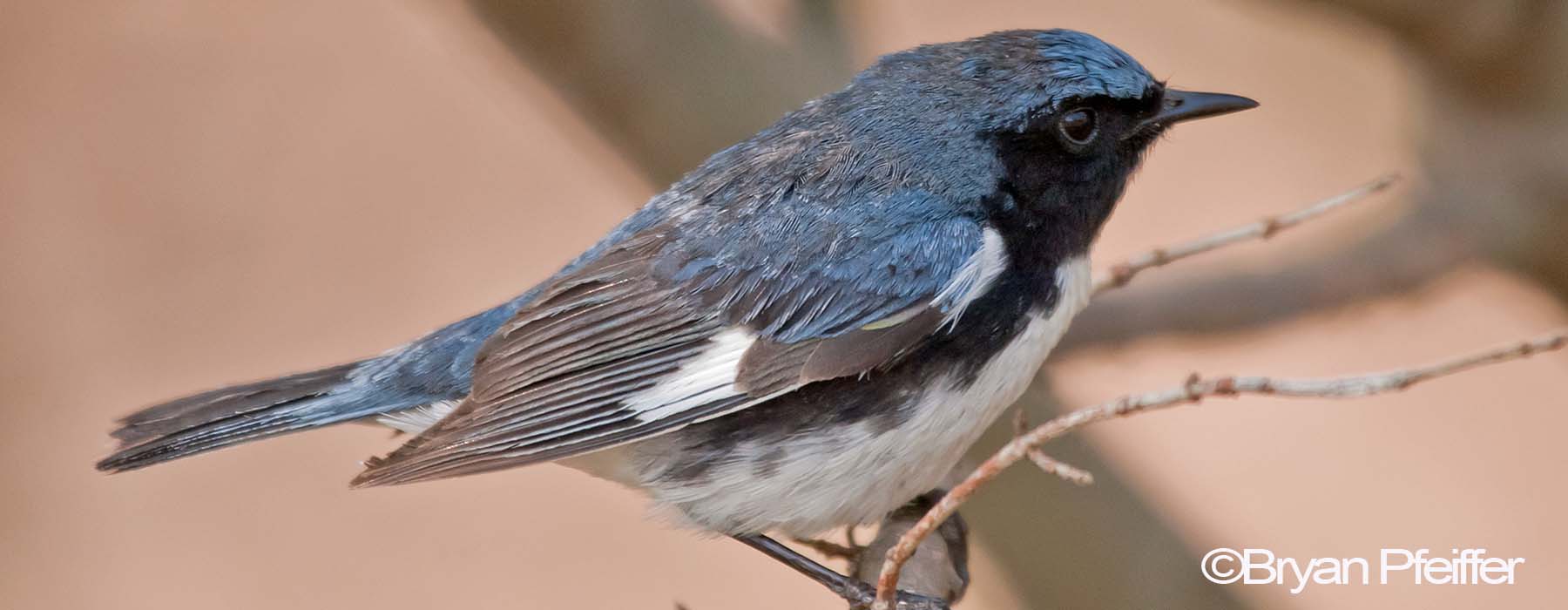
- Natural history: Much of what scientists know about how forest songbirds age, disperse, and survive comes from decades of research on this species at New Hampshire’s Hubbard Brook Experimental Forest and on its wintering grounds in Jamaica, work that has become a model system for studying songbird populations generally. In good years with abundant insect prey, females can raise two broods in a single season, but nesting success depends on a healthy shrub layer, so areas with heavy deer browsing or overly mature, open understories can leave the birds short on cover. The species also winters almost entirely on Caribbean islands that have already lost more than half their forest, a long-term vulnerability for a bird that otherwise looks secure on its Vermont breeding grounds.
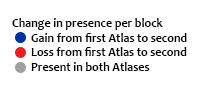
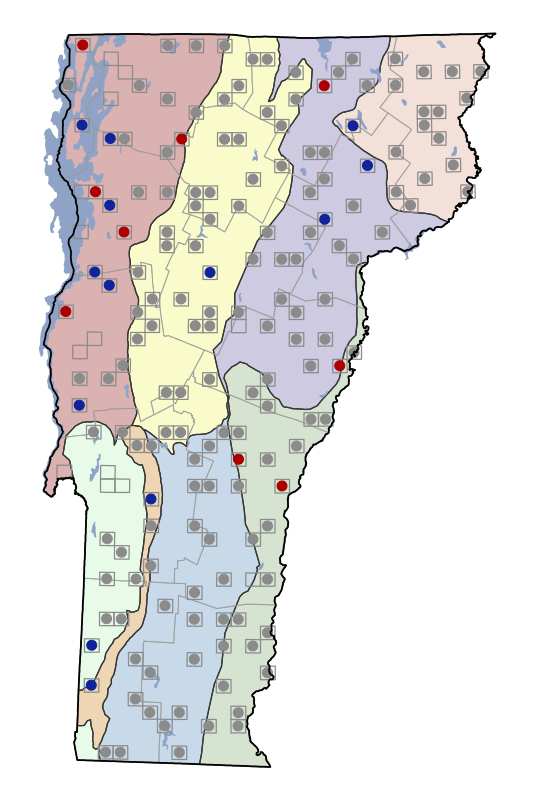
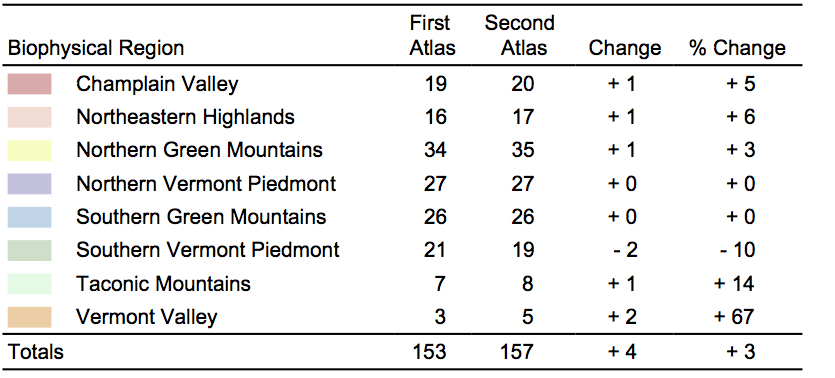
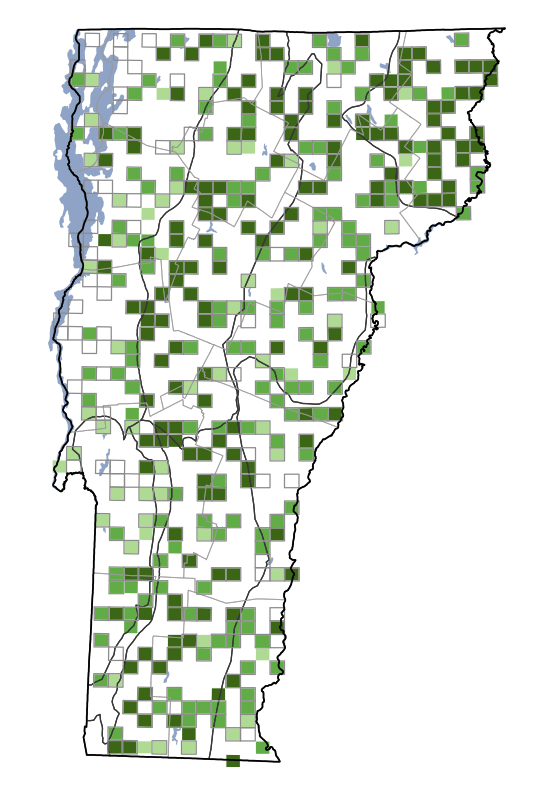
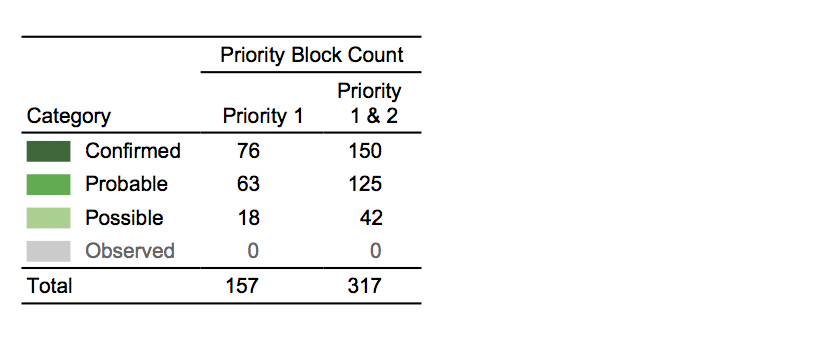
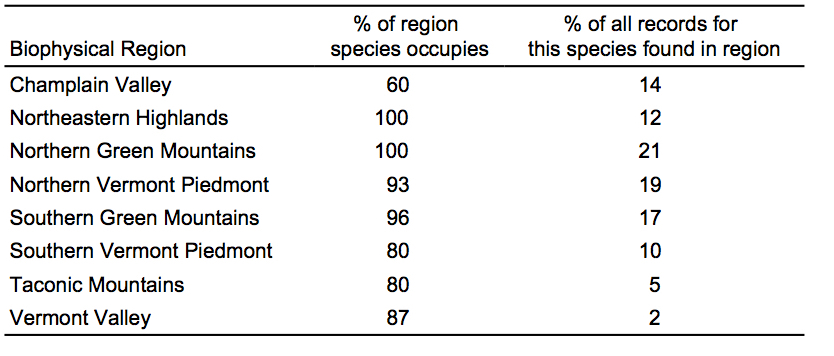
- Status in VT: Increased by 3% (153 to 157 blocks). Greatest increase in Vermont Valley.
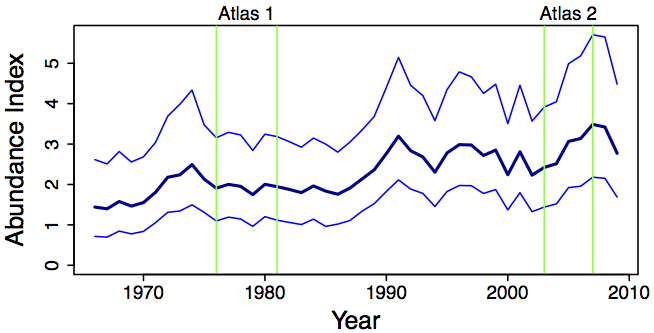
- Data from other research: FBMP: annual increase of 2%
- Conservation status: State rank S5B; SGCN-M
- Other atlases: NY: 10%; PA: 63%; ON: 8%
- VT’s role in North American range: VT is within the core of the range.
- Causes of change since first Atlas: Minimal change.
- Management/Monitoring recommendations: No specific recommendations.
Population Trends
First Vermont Breeding Bird Atlas (1976-1981)
Second Vermont Breeding Bird Atlas (2003 – 2007)
Change in Distribution