Posts About
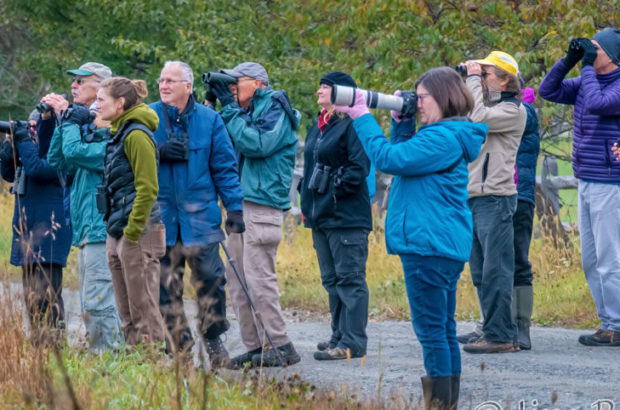
Vermont eBirders Gather Big Bird Data During County Quest
From day one when eBirders reported an incredible 73 bird species on a cold winter day to a Say’s Phoebe, a rare visitor found in late November, Vermont birders scoured the state to discover as many bird species as possible during the 9th annual Vermont eBird County Quest, and set some records along the way.
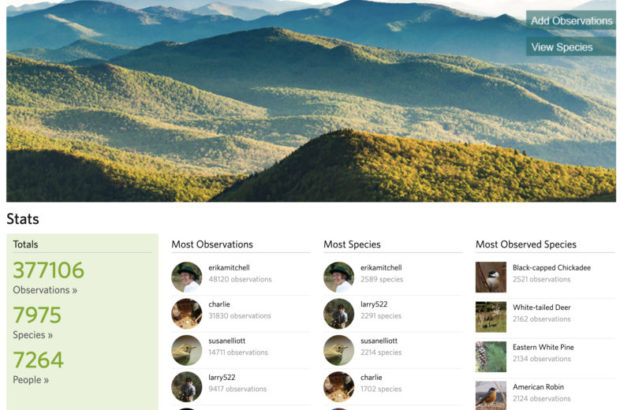
Naturalist Help the Vermont Atlas of Life Build Biodiversity Big Data in 2019
From the first observation of 2019, a Barred Owl sitting on a deck submitted by naturalist extraordinaire Roy Pilcher, to a Christmas Fern laying on snow shared by Bondaley on the last day of the year, naturalists added over 100,000 biodiversity records to our rapidly growing database of life in Vermont.

Vermont Wild Bee Survey Records Over 9,000 Bees in 2019
The Vermont Wild Bee Survey reached a milestone when it processed the 7,680th and final bee specimen from our 2019 survey. In just one year, this citizen science effort has amassed the largest collection of bees ever assembled in Vermont.
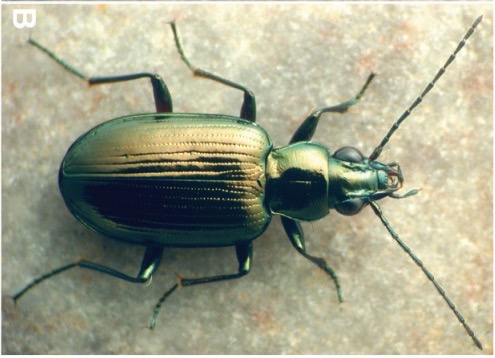
A Lifetime of Beetles
A lifetime of work on the ground beetles of Vermont and New Hampshire, Carabidae of Vermont and New Hampshire by Ross T. Bell, Professor Emeritus of the University of Vermont with species maps produced by the Vermont Atlas of Life at VCE, is now available as a PDF.
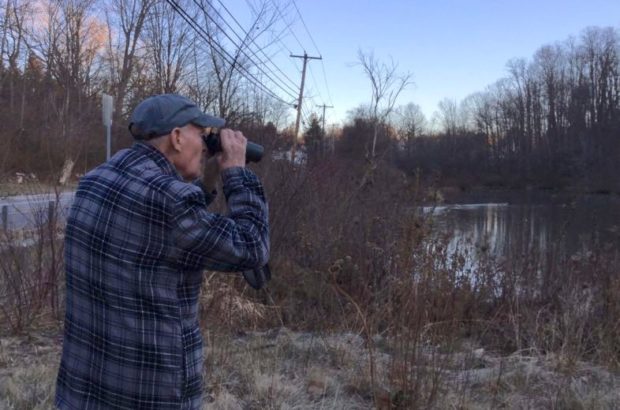
Team Pipit’s Extraordinary Birding Feat: 150 species in all 14 Vermont Counties
Fred (Pat) Pratt of Team Pipit completed an extraordinary birding feat on November 25, notching his 150th species of 2019 in Bennington County, with a pair of Northern Shovelers. This discovery earned Pat the 14th Star Award, as the first birder ever to record 150 species in all 14 Vermont counties during a single calendar year. Congratulations to Team Pipit for a truly inspiring accomplishment!
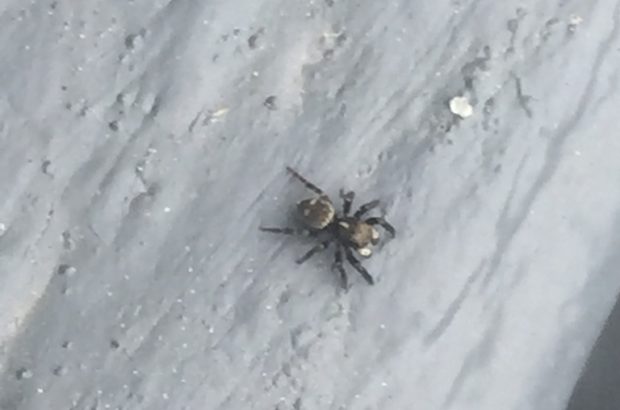
Introduced Jumping Spider Spotted in Vermont for First Time
On June 10th Jasper Barnes, a wildlife biology student at the University of Vermont, snapped a photo of a tiny jumping spider near campus and shared it to the Vermont Atlas of Life on iNaturalist. It soon became recognized as the first record of this species for Vermont and the northernmost United States.
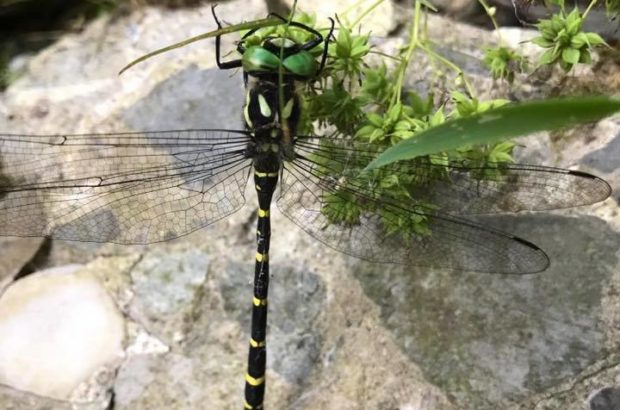
A Tiger Found in Vermont
Congratulations, Vermont. You’ve got a new dragonfly — Tiger Spiketail (Cordulegaster erronea). Dale Ferland, an angler who likes to poke around rivers, snapped that photo above on Monday from the Black River in Springfield and it was posted and confirmed on iNaturalist Vermont.
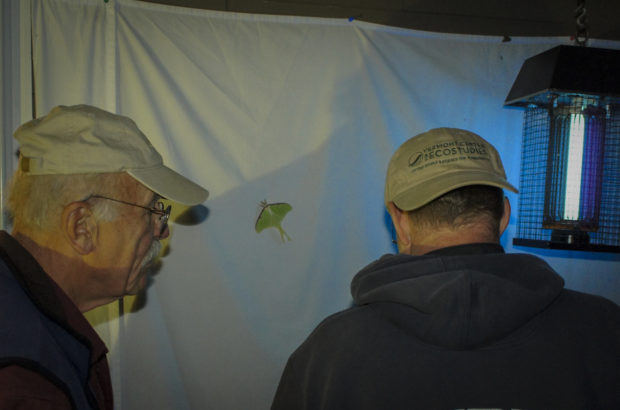
VAL Updating the Checklist of Vermont Moths
The checklist of Vermont moths is being updated by the Vermont Atlas of Life. Thanks to the tireless efforts of both professional and amateur Lepidopterists, nearly 400 new moth species have been found in Vermont since 1995. There are likely many more awaiting discovery.
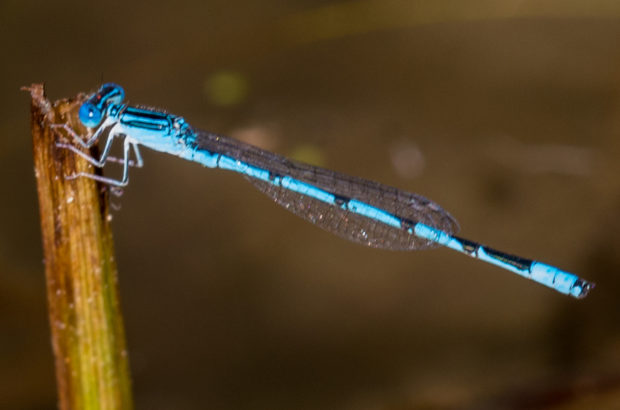
New Damselfly Species Found in Vermont
It was a routine warm September day in the field for naturalist Joshua Lincoln. As he snapped photos of a blue damselfly, he didn’t realize that he was actually documenting Vermont’s first record of the Double-striped Bluet.
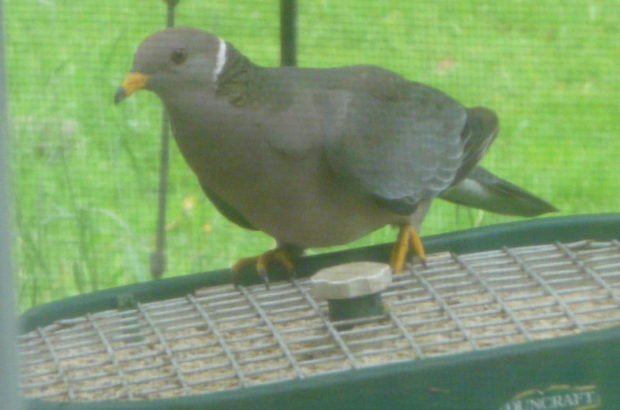
Two New Bird Species Found in Vermont
The Vermont Bird Records Committee (VBRC) held its 35th annual meeting in November and reviewed 39 detailed reports of rare, out-of-season, and rare nesting species submitted by birdwatchers. Two new species of birds were discovered in Vermont as well as many other notable records.