Posts About
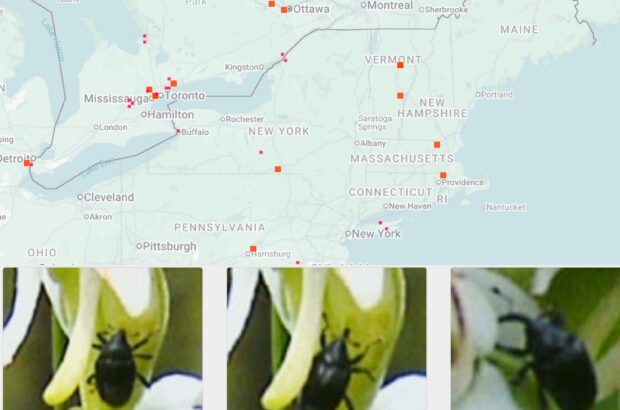
New Beetle Genus Documented for Vermont
A genus of beetle has been documented for the first time in Vermont during a project aimed at documenting orchid pollinators with automated cameras.
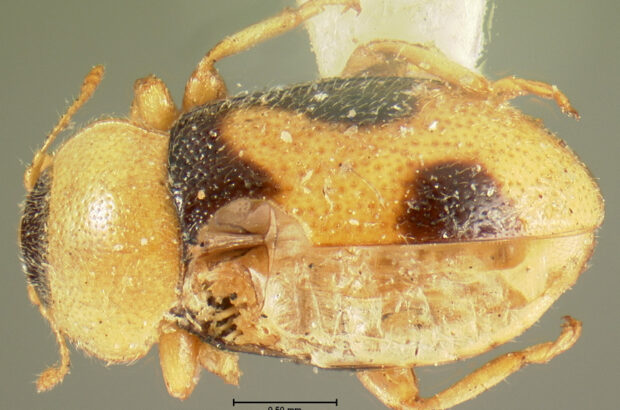
How the Rediscovery of a 150-Year-Old Specimen Revealed Vermont’s 48th Lady Beetle Species
After over 150 years, researchers confirmed that Vermont’s holotype specimen of the Snow Lady Beetle had been hiding in plain sight at the Harvard MCZ with its location misclassified due to faded collection markers, adding a 48th species to Vermont’s Lady Beetle list.
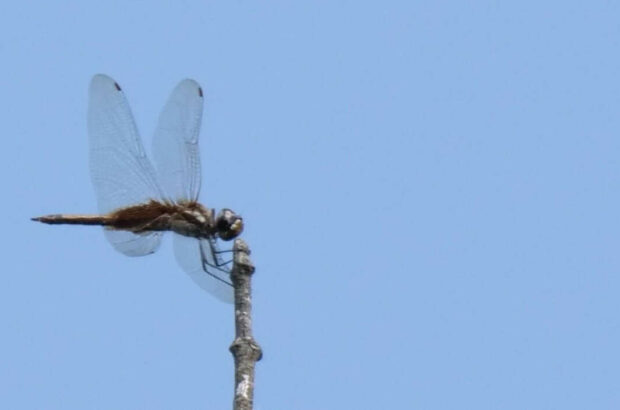
New Dragonfly Species Found for Vermont
Last August Ben Whittington swung by a marsh he often visits and noticed a dragonfly perched at the very top of a tree. He snapped a few quick photos of it from a distance, uploaded them to iNaturalist Vermont, and with the help of a few Vermont experts, found he had discovered a new dragonfly species for the Vermont Damselfly and Dragonfly Atlas, Striped Saddlebags (Tramea darwini).
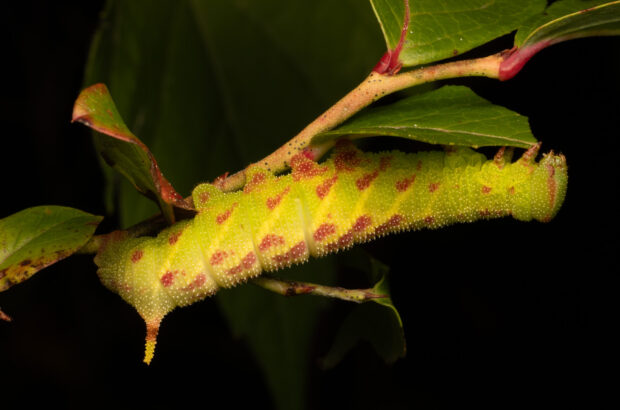
Dozens of New Moth Species Found in Vermont During Past Two Years
With the aid of many volunteers across the state, the Vermont Moth Atlas at the Vermont Atlas of Life has been mapping moth distribution and phenology one photo-observation at a time. Together, we’ve discovered over 360 new species for Vermont since 1995, with 26 found in just the last two years. There are now 2,051 species of moths known from Vermont!
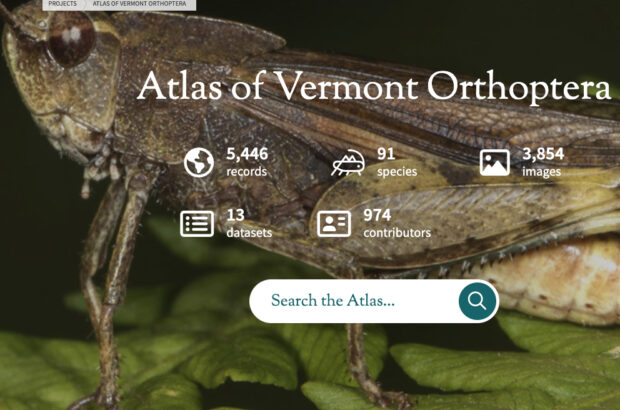
Vermont Atlas of Orthoptera Updated with Nine New Species
The Vermont Orthoptera Atlas has now amassed nearly 5,500 records of grasshopper, cricket, and katydid (Orthoptera) species, adding nine new species for the state over the last five years. There have now been 91 species documented in Vermont, with three of them now considered to be of conservation concern and six introduced species.
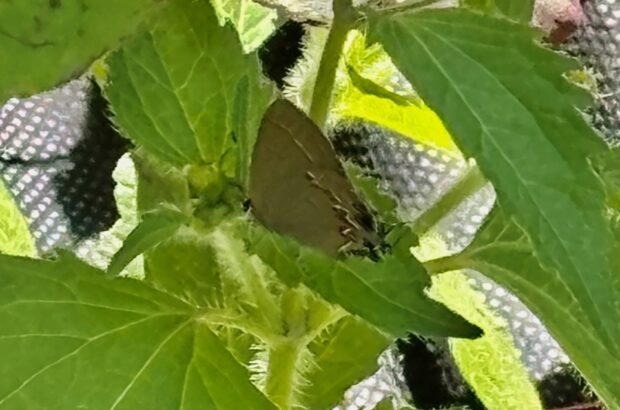
New Butterfly Species Discovered for Vermont
Kevin Hemeon, one of Vermont’s most fervent butterfly watchers, discovered a new butterfly for Vermont. He found a Red-banded Hairstreak (Calycopis cecrops) in Bennington while surveying butterflies for the Second Vermont Butterfly Atlas last week, the 120th species documented in the state.
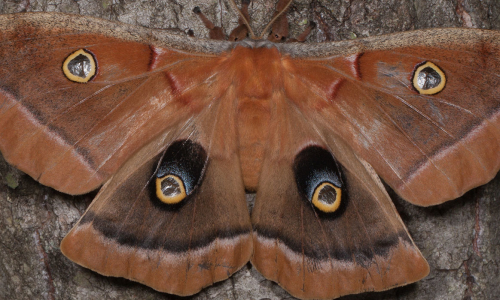
Join Annual Vermont Moth Blitz 2025 (July 19-27)
National Moth Week offers everyone everywhere a unique opportunity to become a community scientist. Each year we celebrate by encouraging moth watchers of all ages and abilities to learn about, observe, and document moths in backyards, parks, and anywhere else you encounter them. In doing so, you can help map moth species distribution and track their populations.
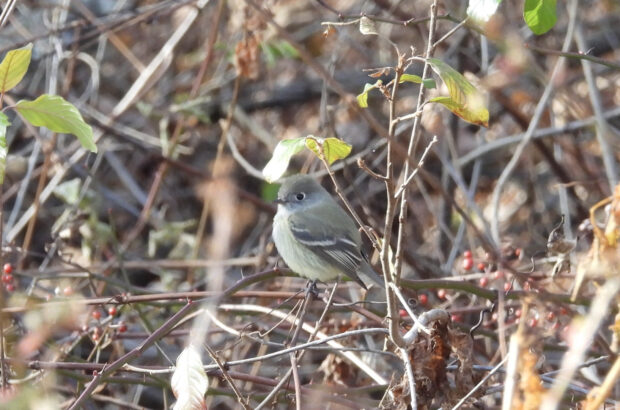
Forty-fourth Annual Report of the Vermont Bird Records Committee
The Vermont Bird Records Committee released the 2024 annual report. Highlights include the state’s first state records of Hammond’s Flycatcher and Black-throated Gray Warbler. Learn more about the report, updates to the state checklist of birds and more.

Seeking Volunteers for Historic Bird Data Entry
With the help of many volunteers, we’ve digitized thousands of pages of historic spring bird records. And now, we are nearly finished entering over 125 years of bird records, mobilizing them for science and conservation. We need your help to reach the finish line! We are seeking a few volunteers to help us online to digitize daily bird records collected by Guy Waterman in East Corinth from 1974 to 1998. And, you can do this from the comfort of your own home!
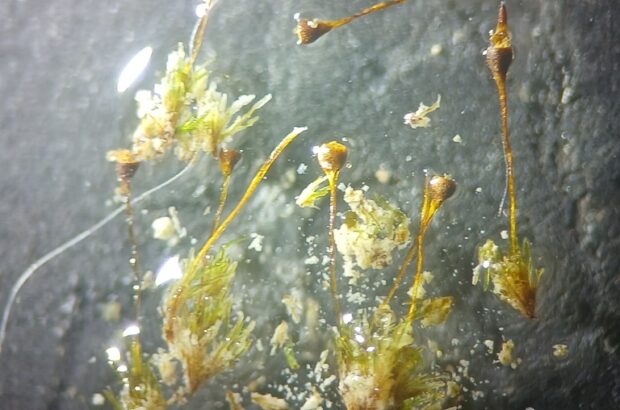
New Moss Species Discovered in Vermont
A new species of moss for Vermont was recently discovered by high school student. Donn’s Rock-Bristle (Seligeria donniana) was confirmed by an expert and added as the 471st moss species known from the state.