Summary
- Natural history: The Hairy Woodpecker looks like a scaled-up Downy Woodpecker, but its longer, heavier bill delivers real punishment, enough that researchers who band the birds have learned to keep their fingers well clear. Unlike its smaller relative, it readily nests deep within large tracts of mature forest, so the regrowth of Vermont’s woodlands over the past century has generally worked in its favor, though the birds can also become an unwelcome nuisance when they start excavating cavities in the wooden siding of homes.
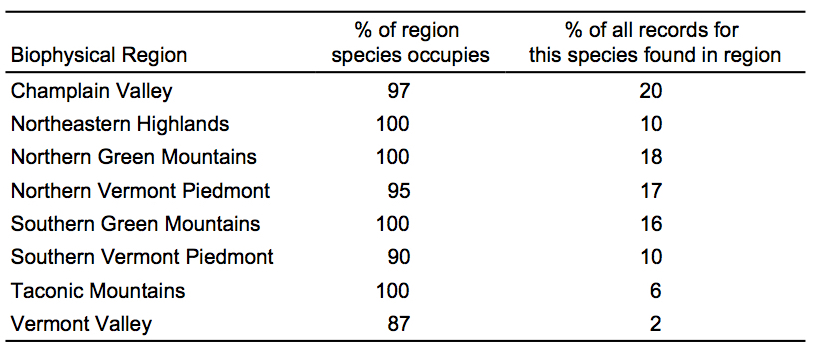
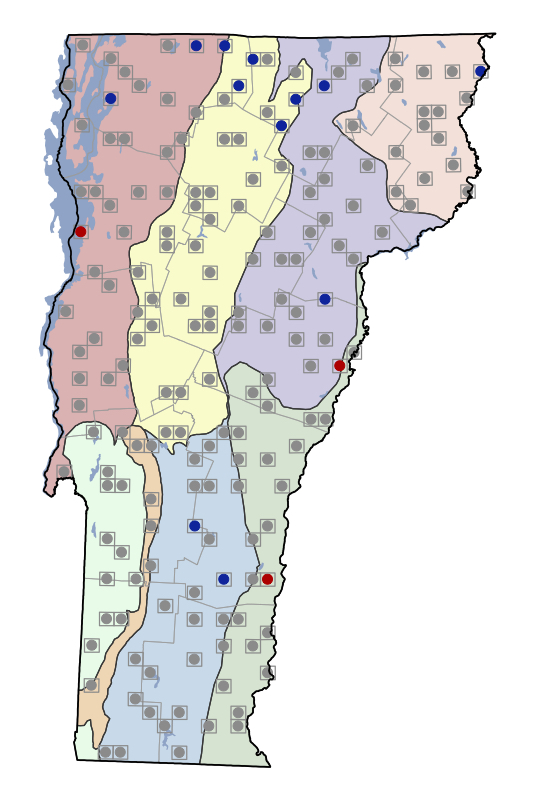
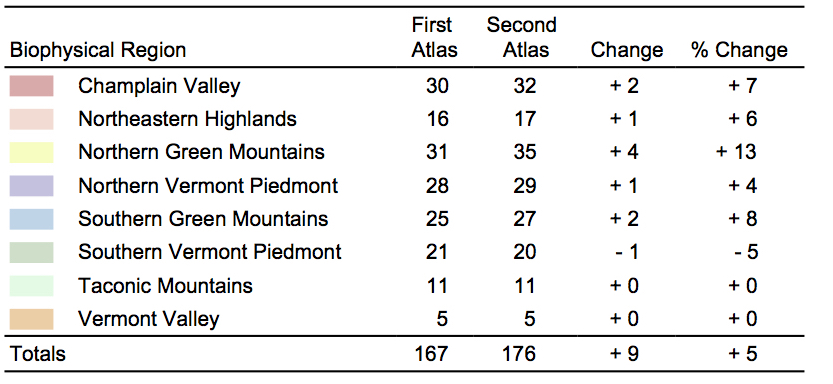
- Status in VT: Increased by 5% (167 to 176 blocks). Greatest increase in Northern Green Mountains.
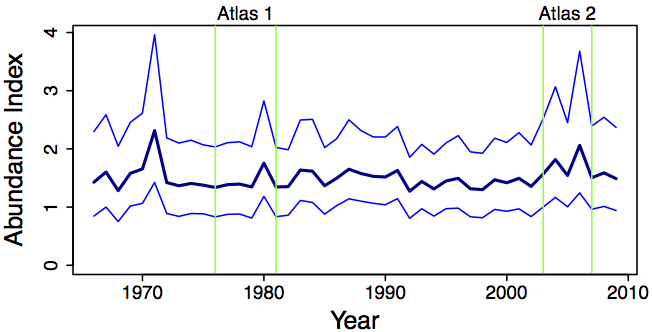
- Data from other research: FBMP: annual decline of 0.8%.
- Conservation status: State rank S5
- Other atlases: NY: no change; PA: 16%; MD: 10%; ON: little change
- VT’s role in North American range: VT is within the core of the range.
- Causes of change since first Atlas: Minimal change; benefits from regrowth and maturation of forests.
- Management/Monitoring recommendations: No specific recommendations.
Population Trends
First Vermont Breeding Bird Atlas (1976-1981)
Second Vermont Breeding Bird Atlas (2003 – 2007)


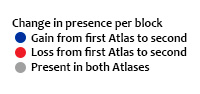
Change in Distribution
Links