Skip to content
Red-headed Woodpecker (Melanerpes erythrocephalus)
Summary
- Natural history: Red-headed Woodpeckers were once so numerous and damaging to fruit and corn crops that farmers shot them by the dozens, including one report of 100 birds killed from a single cherry tree, and their populations later boomed whenever tree diseases such as chestnut blight and Dutch elm disease left dead snags for them to nest in. That boom-and-bust relationship with dying trees may resurface, as some researchers see the spread of emerald ash borer across the region’s ash trees as a possible future source of nesting habitat. Despite the bird’s near disappearance as a Vermont breeder today, climate models project more suitable habitat for the species across the northeastern United States in a warming future.
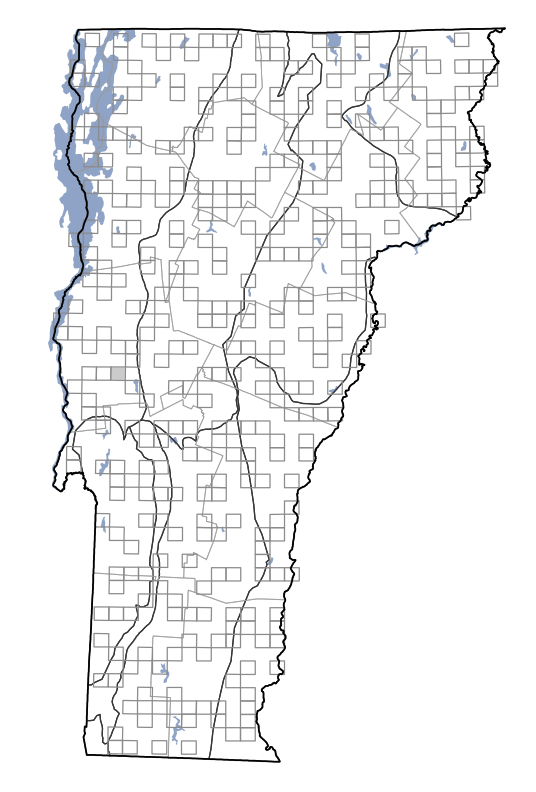
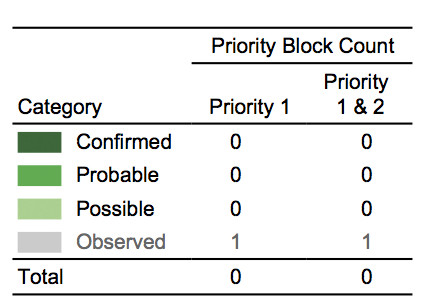
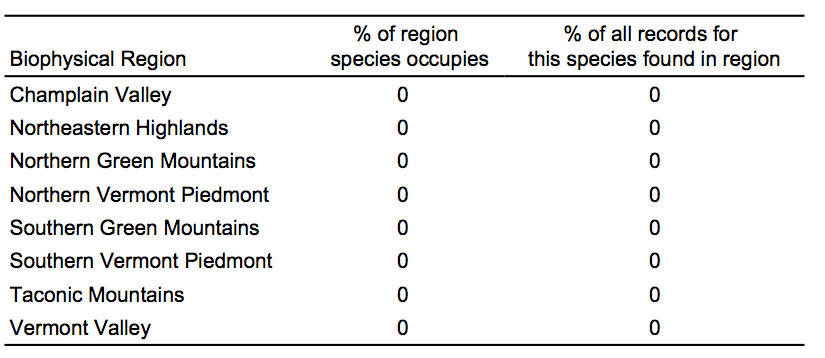
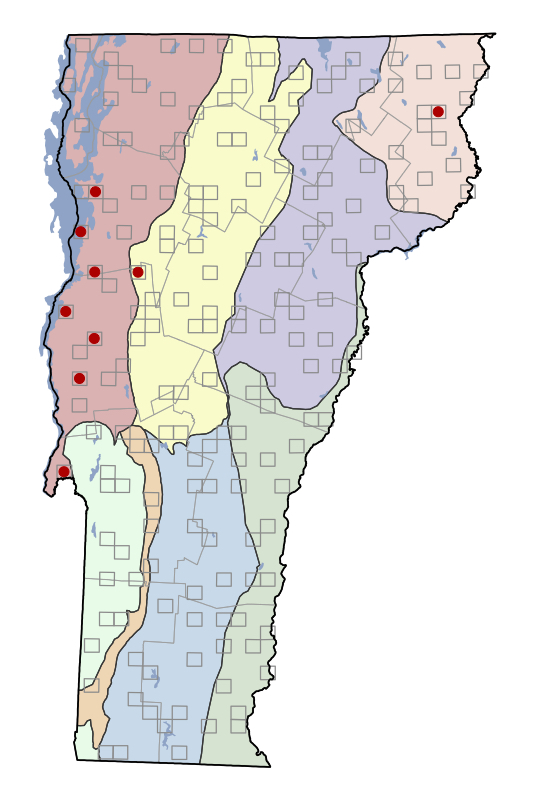
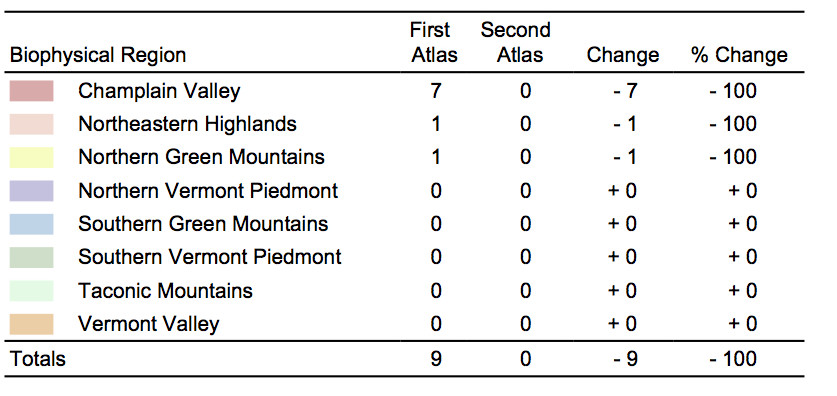
- Status in VT: Decreased by 100% (9 to 0 blocks). Greatest decrease in blocks in Champlain Valley.
- Data from other research: No additional data for VT.
- Conservation status: State rank S1B; SSC
- Other atlases: NY: -75%; PA: -46%; ON: -64%
- VT’s role in North American range: VT is at the northeastern edge of the range.
- Causes of change since first Atlas: Snag removal, encroachment of forest into open areas (?).
- Management/Monitoring recommendations:No current recommendations.
First Vermont Breeding Bird Atlas (1976-1981)
Species Account
Second Vermont Breeding Bird Atlas (2003 – 2007)
Species Account
Change in Distribution

Links
Vermont eBird
Encyclopedia of Life
All About Birds