Summary
- Natural history: Unlike Osprey and Bald Eagles, two other fish-eating Vermont birds nearly wiped out by DDT contamination in the twentieth century, Belted Kingfisher populations were never much affected by the pesticide, though the reasons for that immunity are not fully understood. Instead of building a conventional nest, kingfishers excavate a burrow into a vertical earthen bank, almost always within a mile of the water where they hunt by diving headfirst after fish. Their strong reliance on undisturbed streambanks and riverbanks means projects like channelization and shoreline stabilization pose an ongoing, if harder-to-measure, threat to the species.
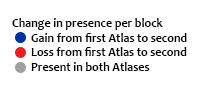
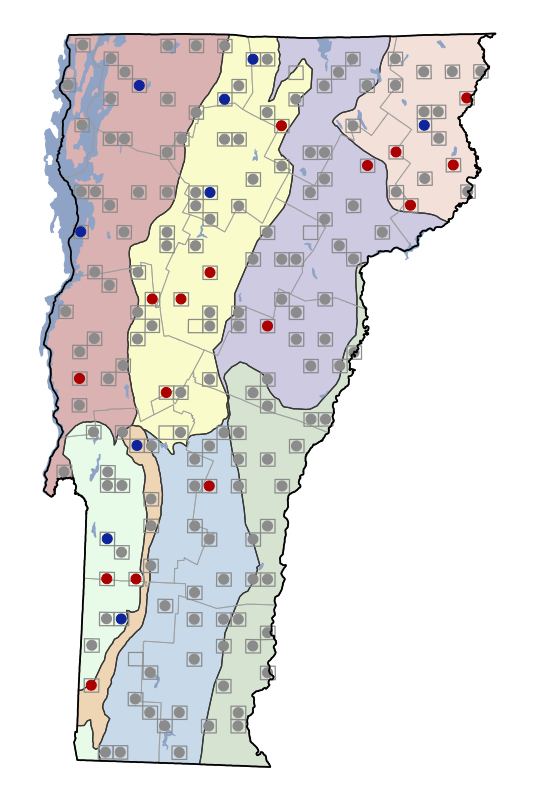
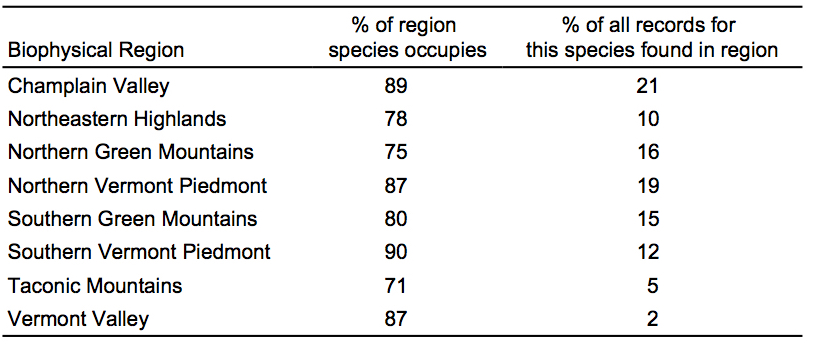
- Status in VT: Declined by 4% (165 to 158 blocks). Greatest loss in the Northeastern Highlands.
- Data from other research: No additional data in VT.
- Conservation status: State rank S4B
- Other atlases: NY: -6%; PA: -7%; MD: -3%; ON: -10%
- VT’s role in North American range: VT is within the core of the range.
- Causes of change since first Atlas: Riparian nesting habitat subject to loss or degradation resulting from channelization, river bank stabilization, and recreational use.
- Management/Monitoring recommendations:Protection of riparian habitat.
Population Trends

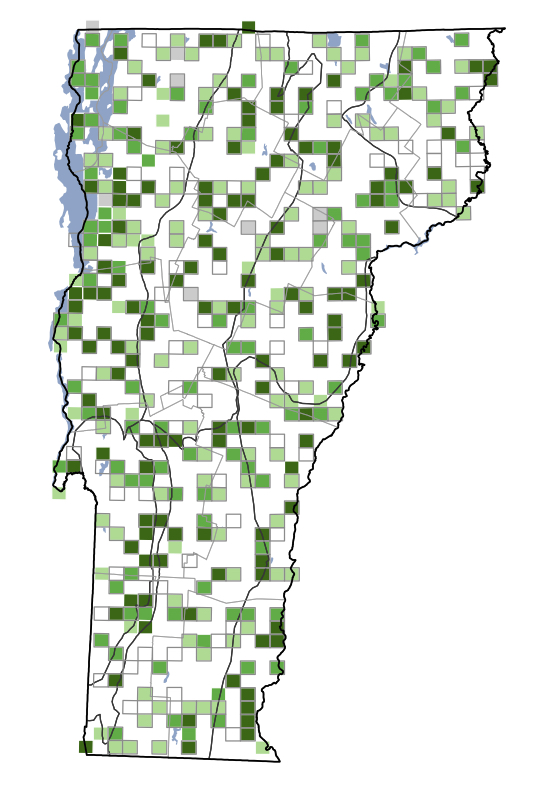
First Vermont Breeding Bird Atlas (1976-1981)
Second Vermont Breeding Bird Atlas (2003 – 2007)

Change in Distribution