Skip to content
Upland Sandpiper (Bartramia longicauda)
Summary
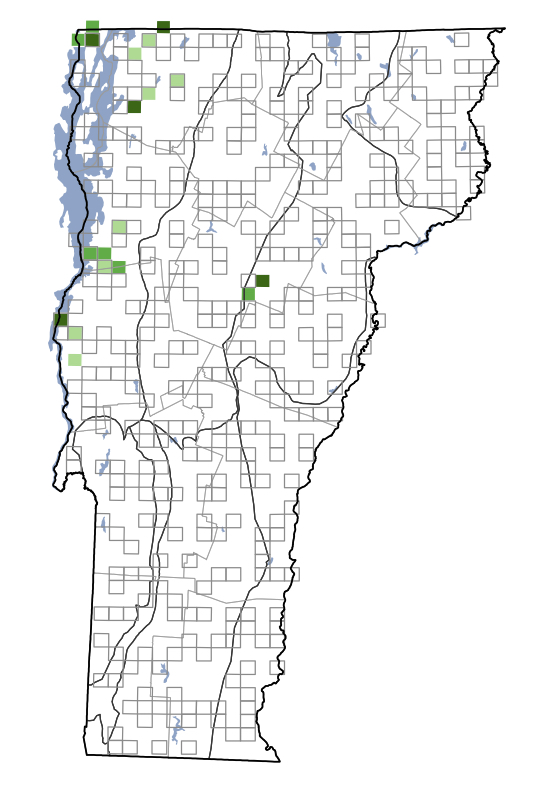
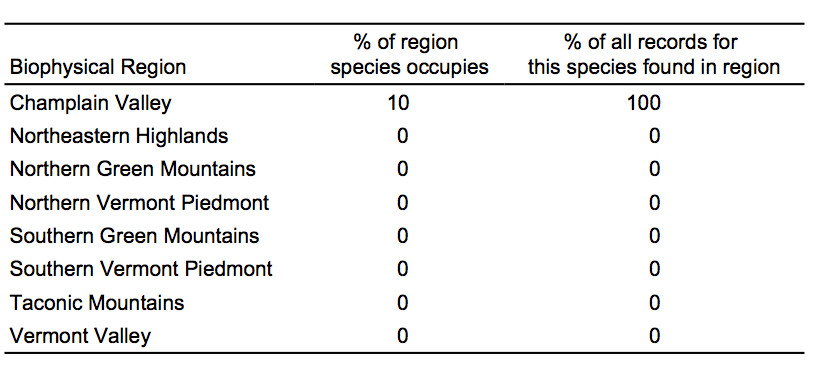
- Natural history: Despite being classified as a shorebird, the Upland Sandpiper breeds nowhere near open water, having shifted over time to dry grasslands and hayfields, where it gives a mellow, wolf-whistle-like call in flight. Northeastern populations actually grew in the early and mid-1900s as midwestern prairies were converted to row crops, but Vermont’s numbers have since collapsed as remaining hayfields reforest, fragment, and are mowed and grazed more frequently and intensively. Because the species rarely attempts a second nest after losing its first, and because research elsewhere shows it needs unusually large, unbroken blocks of grassland to raise young successfully, Vermont’s remaining breeders are now concentrated almost entirely in the farmland of Franklin and Grand Isle counties.
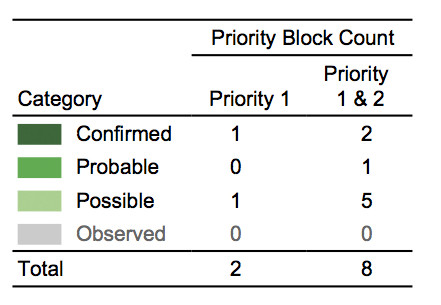
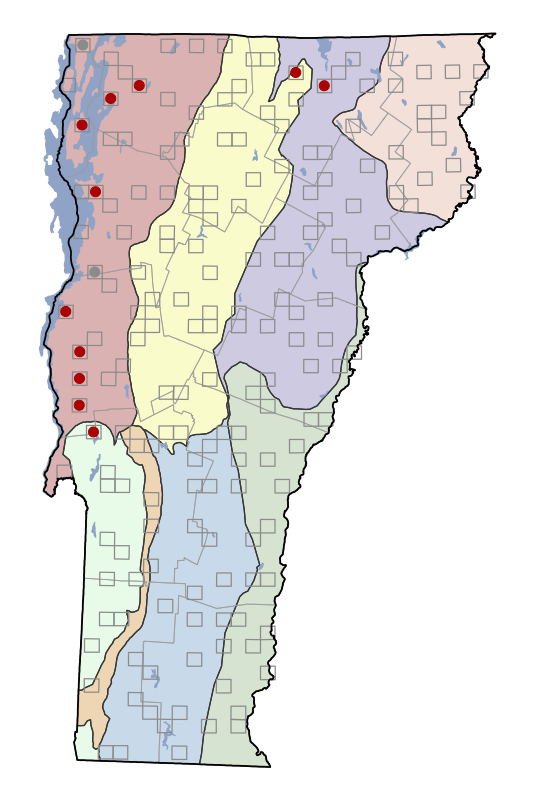
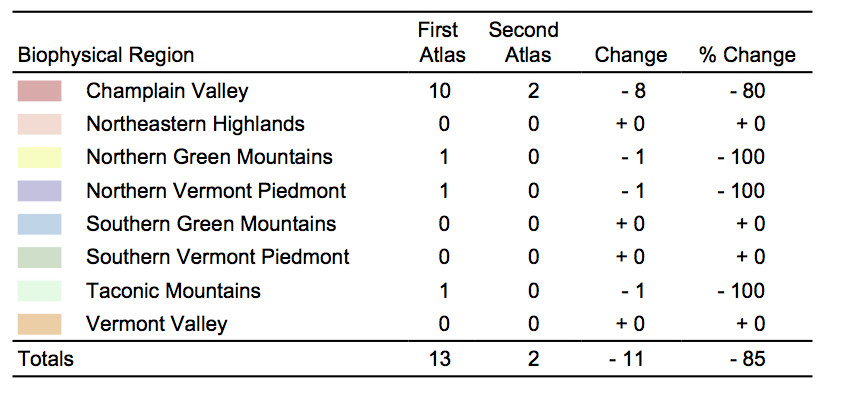
- Status in VT: Decreased by 85% (13 to 2 blocks). Greatest decreases in Northern Green Mountains, Northern Vermont Piedmont, and Taconic Mountains.
- Data from other research: No additional data for VT.
- Conservation status: State rank S2B; E; SGCN-H
- Other atlases: PA: -56%; NY: -65%; MD:-86%
- VT’s role in North American range: VT is surrounded by, but is not commonly part of, the range.
- Causes of change since first Atlas: Loss and fragmentation of open, suitable grassland habitat; earlier and more frequent haying.
- Management/Monitoring recommendations:Delay mowing until at least 15 July; maintain or increase large, contiguous grassland areas; where possible, replace row crops with permanent grasses.
First Vermont Breeding Bird Atlas (1976-1981)
Species Account
Second Vermont Breeding Bird Atlas (2003 – 2007)
Species Account
Change in Distribution

Links
Vermont eBird
Encyclopedia of Life
All About Birds