Summary
- Natural history: Nearly hunted to extinction by the early 1900s, prompting a total hunting closure from 1918 to 1941, Wood Ducks rebounded to more than 3 million birds continentally by the late 1970s and gained 87 percent more occupied blocks in Vermont’s Second Atlas. Despite conventional wisdom, nest boxes are estimated to produce only 4 to 5 percent of the eastern population, since most birds still rely on natural cavities from wood rot near beaver ponds and slow water.
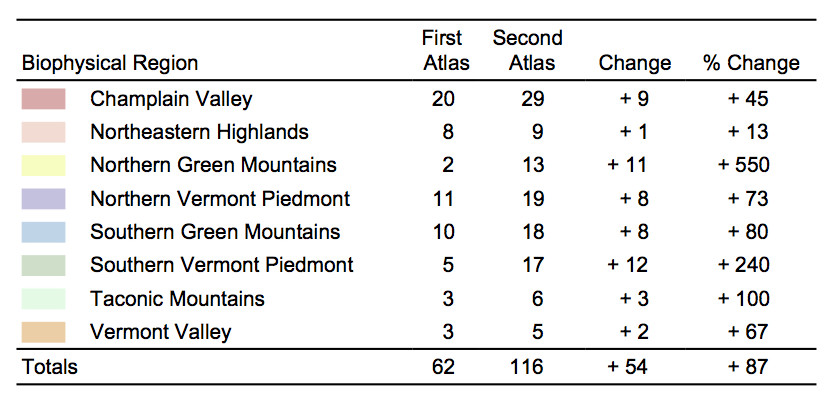
- Status in VT: Increased by 87% (62 to 116 blocks). Greatest increase in Northern Green Mountains.
- Data from other research: No additional data for VT.
- Conservation status: State rank S4B
- Other atlases: NY: 45%; PA: 27%; ON: 50%
- VT’s role in North American range: VT is within the northeastern edge of the range.
- Causes of change since first Atlas: Continued maturation of forests; protection of wetland habitats from pollutants and siltation; expansion of beaver populations.
- Management/Monitoring recommendations: No current recommendations.
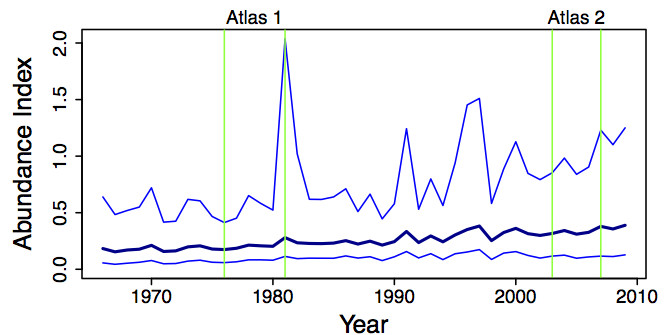
Population Trends
First Vermont Breeding Bird Atlas (1976-1981)
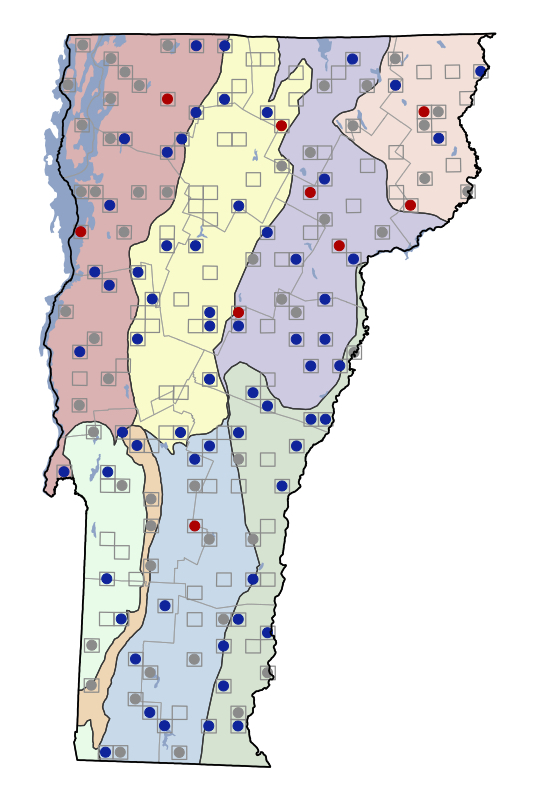
Second Vermont Breeding Bird Atlas (2003 – 2007)

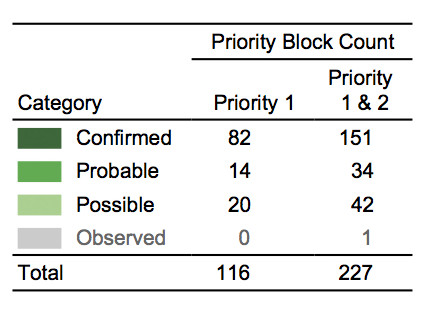
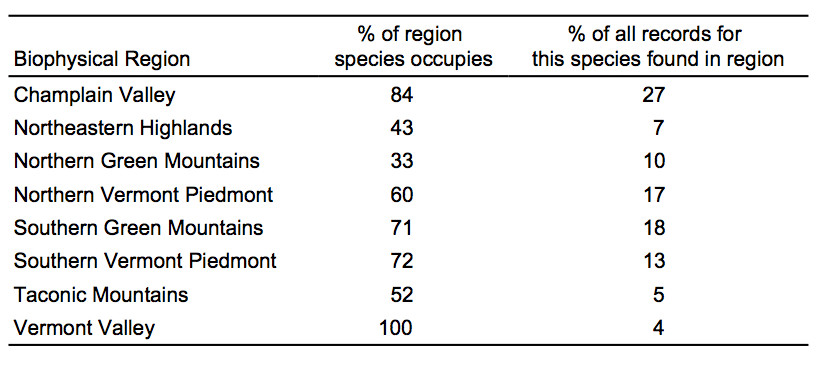
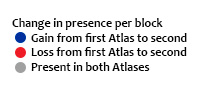
Change in Distribution
Links