Skip to content
Yellow-billed Cuckoo (Coccyzus americanus)
Summary
- Natural history: Yellow-billed Cuckoos specialize in eating hairy caterpillars that most birds avoid, especially tent caterpillars, and their numbers in a given area often track local outbreaks rather than staying constant from year to year. They also breed unusually fast for their size, with both parents sharing incubation duty to shrink the egg stage to just nine days, and fledglings often scramble out along branches before they can fly, making the young themselves rarely seen. Even though Vermont’s population and range have stayed fairly stable, the species is declining significantly across the wider Northeast, a trend some researchers link to warmer winters reducing the moths and caterpillars cuckoos depend on.
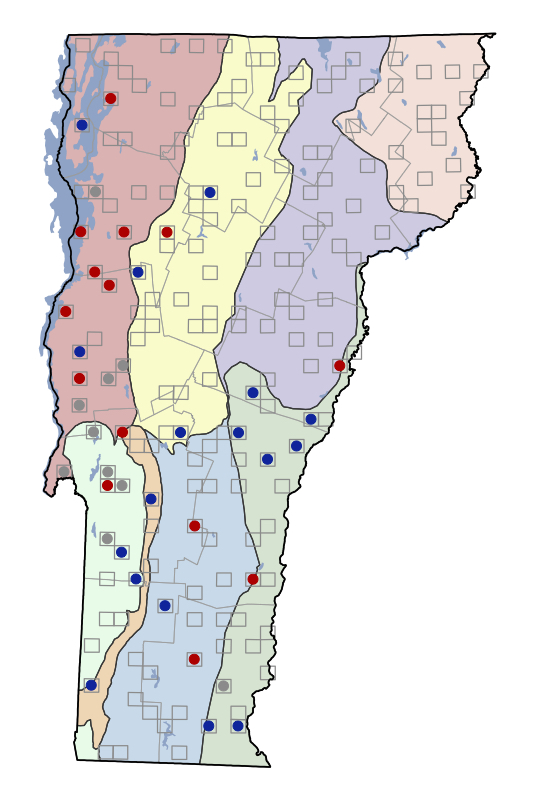
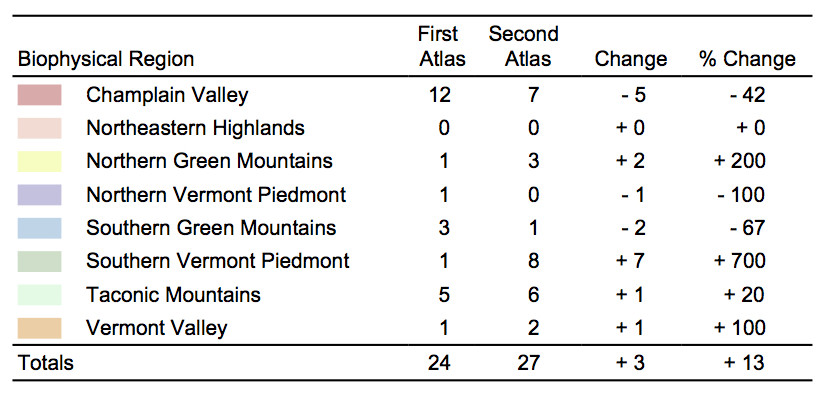
- Status in VT: Increased by 13% (24 to 27 blocks). Greatest increase in Southern Vermont Piedmont.
- Data from other research: No additional data for VT.
- Conservation status: State rank S3B
- Other atlases: NY: 3%; PA: 43%; MD: no change
- VT’s role in North American range: VT is at the northeastern edge of the range.
- Causes of change since first Atlas:Fluctuation in tent caterpillar outbreaks (?).
- Management/Monitoring recommendations: No current recommendations.
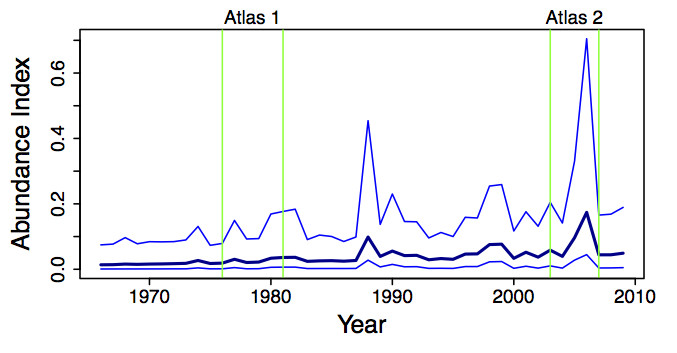
Population Trends
First Vermont Breeding Bird Atlas (1976-1981)
Species Account
Second Vermont Breeding Bird Atlas (2003 – 2007)
Species Account
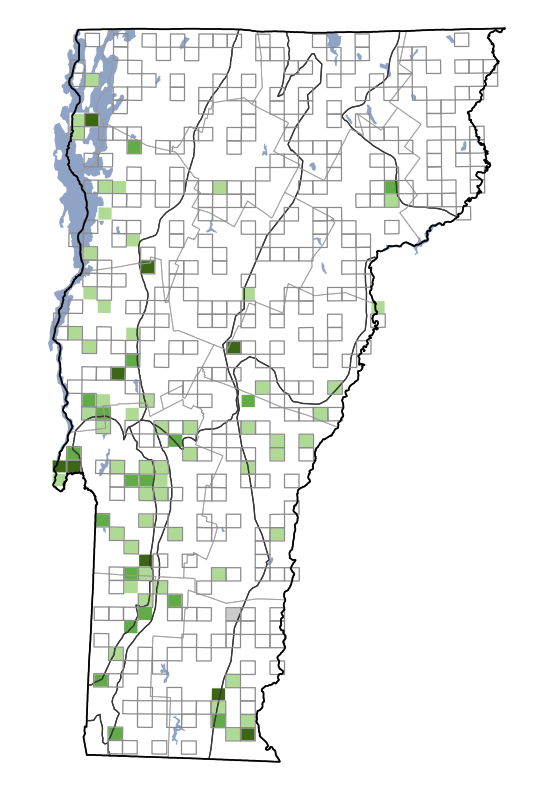
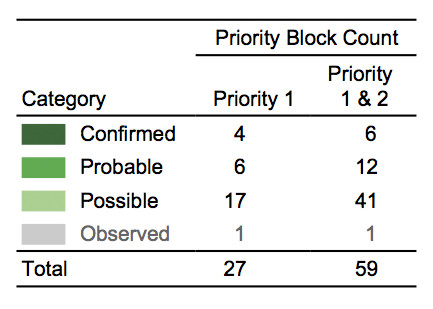
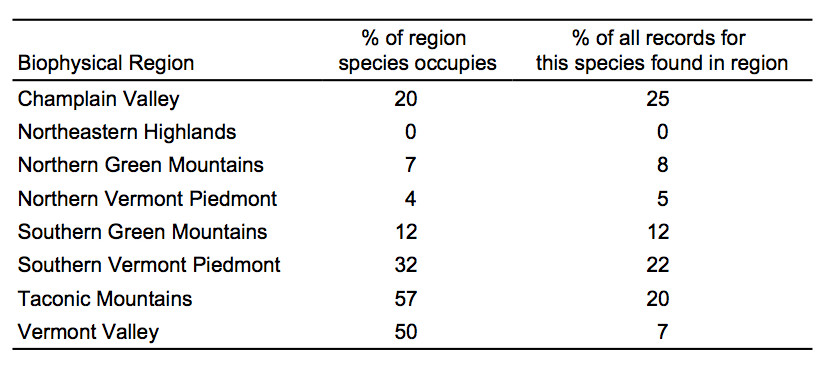
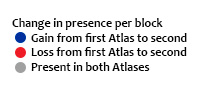
Change in Distribution
Links
Vermont eBird
Encyclopedia of Life
All About Birds