Skip to content
Winter Wren (Troglodytes hiemalis)
Summary
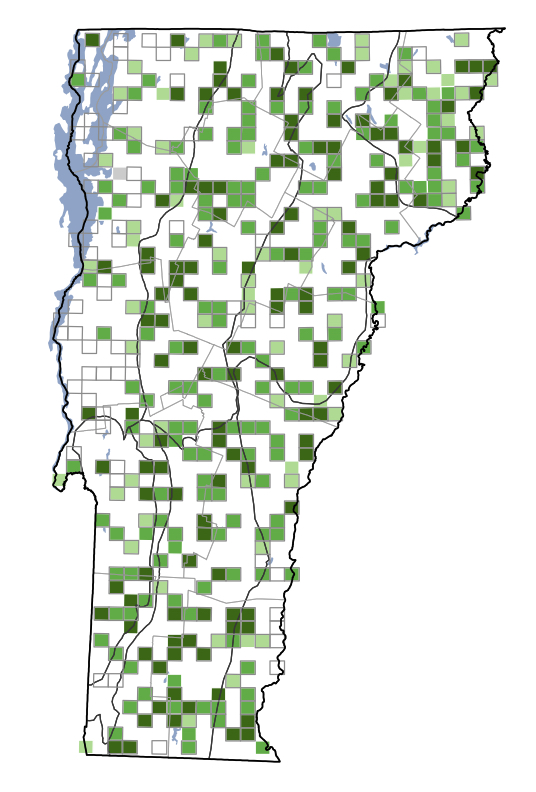
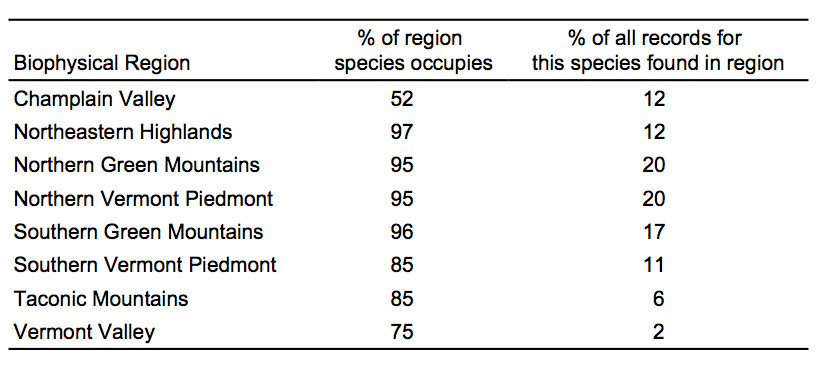
- Natural history: The Winter Wren was long lumped together with dozens of look-alike subspecies spread across three continents, until taxonomists recently split the group into three separate species, leaving only the true Winter Wren breeding here. Tiny enough to seem more mouse than bird as it creeps through downed timber, it sings a song regarded by researchers as among the most complex of any North American bird, delivered from deep cover in tangles of windfall and upturned roots inside mature evergreen forest. That kind of dense habitat has become more available as Vermont’s woods have aged since the First Atlas, helping the wren spread into the Champlain Valley and southern Vermont, regions where it was once uncommon.
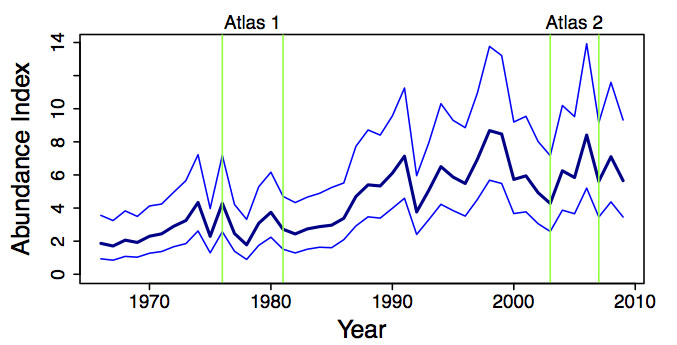
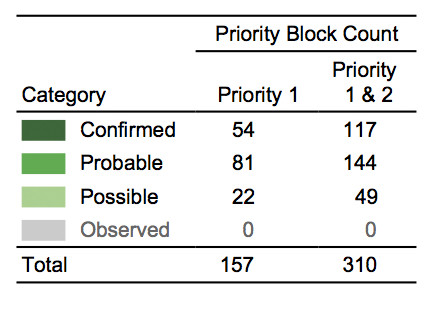
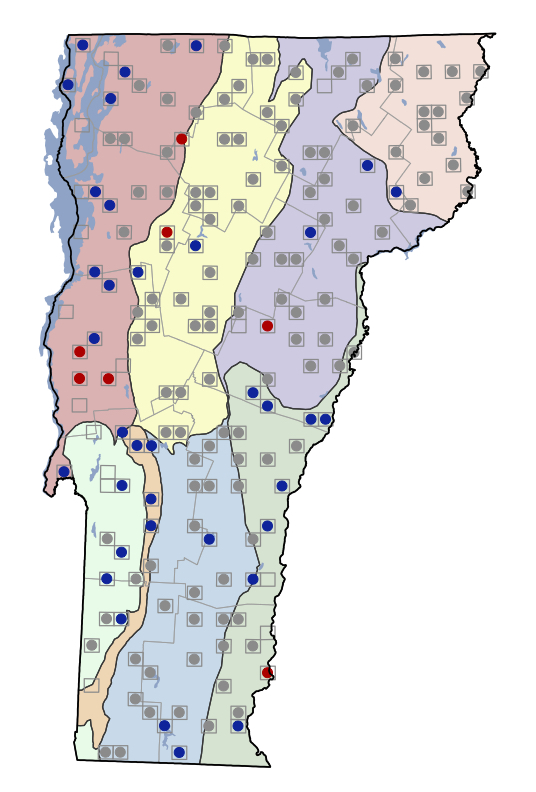
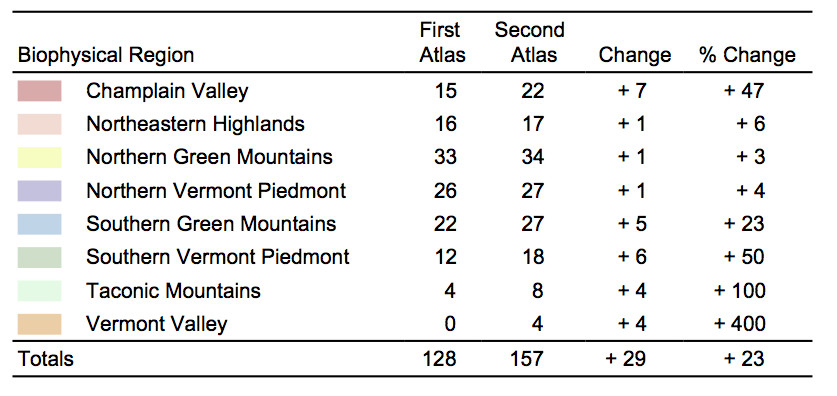
- Status in VT: Increased by 23% (128 to 157 blocks). Greatest increase in blocks in Champlain Valley.
- Data from other research: FBMP: no sig. trend
- Conservation status: State rank S5B
- Other atlases: NY: 49%; PA: 112%; MD: 47%; ON: 27%
- VT’s role in North American range: VT is within the southeastern edge of the range.
- Causes of change since first Atlas: Continued maturation of northeastern forests (?).
- Management/Monitoring recommendations:No current recommendations.
Population Trends
First Vermont Breeding Bird Atlas (1976-1981)
Species Account
Second Vermont Breeding Bird Atlas (2003 – 2007)
Species Account
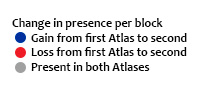
Change in Distribution
Links
Vermont eBird
Encyclopedia of Life
All About Birds