Skip to content
Willow Flycatcher (Empidonax traillii)
Summary
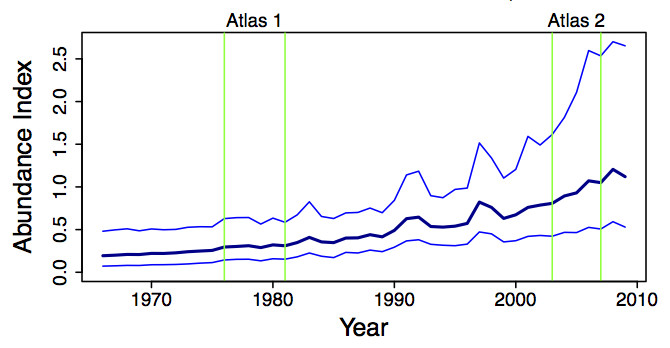
- Natural history: The Willow Flycatcher was only recognized as a species separate from the nearly identical Alder Flycatcher in 1973, and the two are still told apart mainly by voice rather than appearance. Some of the sharp statewide increase recorded between the First Atlas and Second Atlas may reflect birders’ growing confidence with that identification rather than a true population boom, since observers unfamiliar with the recent split sometimes assumed a silent Empidonax was the more expected Alder Flycatcher. Preferring drier shrubby uplands to wet streamside thickets, Willow Flycatchers arrive among the last of Vermont’s migrant breeders each spring and head back to Central America and northern South America again within a few months.
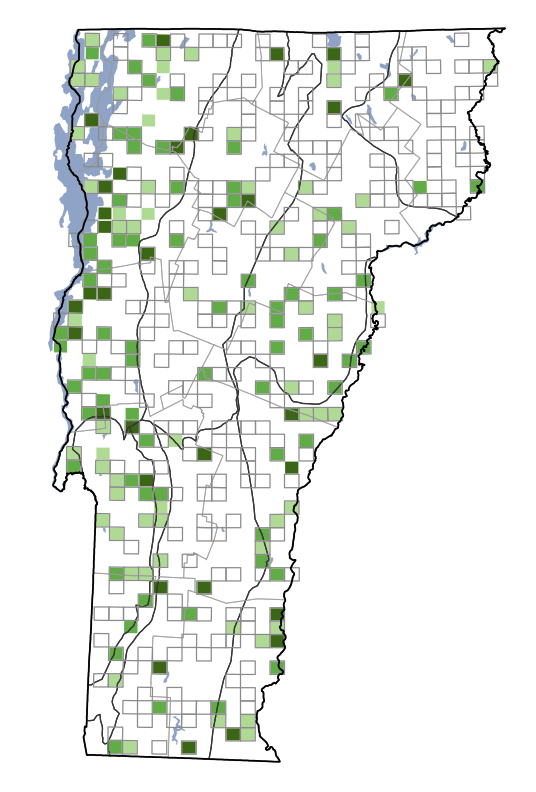
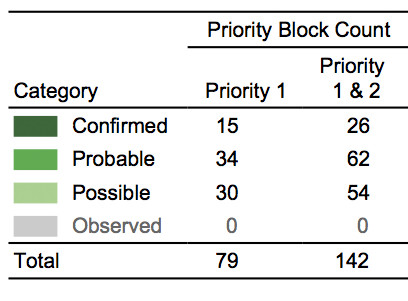
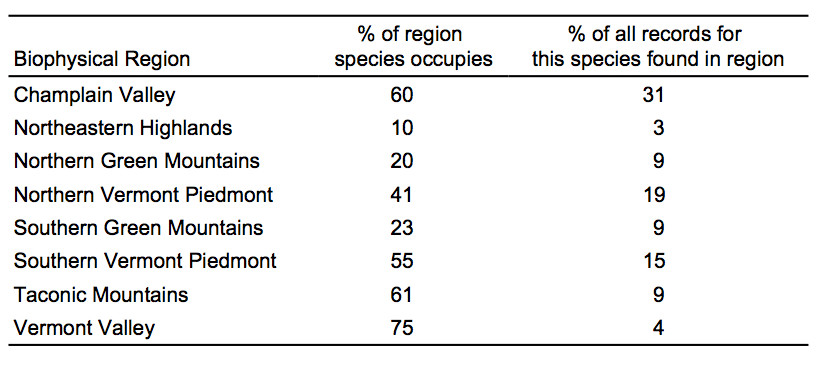
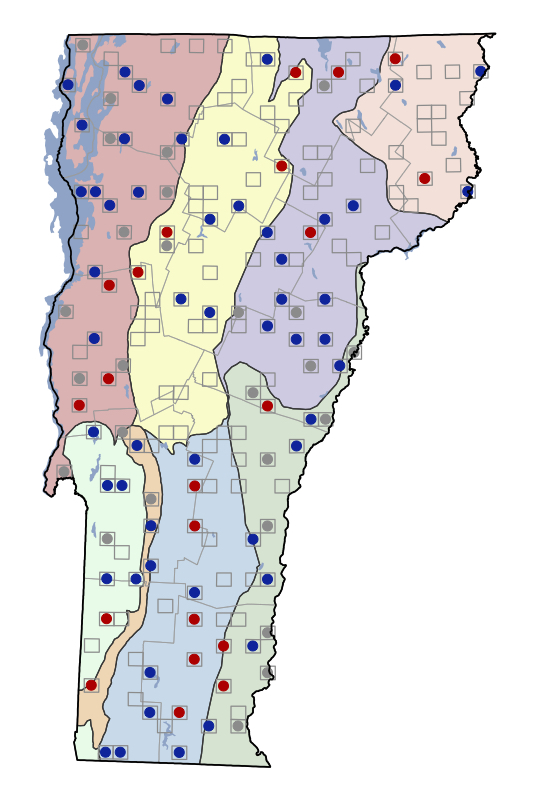
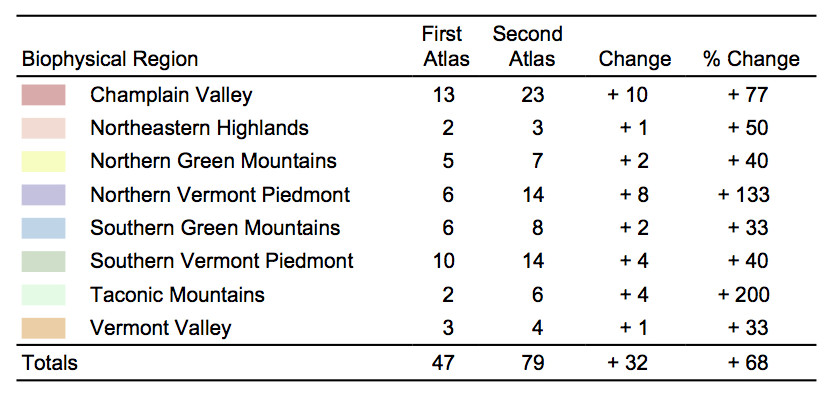
- Status in VT: Increased by 68% (47 to 79 blocks). Greatest increase in Taconic Mountains.
- Data from other research: No additional data for VT.
- Conservation status: State rank S4B
- Other atlases: NY: 36%; PA: 23%; MD: 7%; ON (south): 79%
- VT’s role in North American range: VT is within the core of the range.
- Causes of change since first Atlas:Underestimation in first Atlas (?).
- Management/Monitoring recommendations:No current recommendations.
Population Trends
First Vermont Breeding Bird Atlas (1976-1981)
Species Account
Second Vermont Breeding Bird Atlas (2003 – 2007)
Species Account
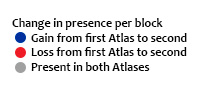
Change in Distribution
Links
Vermont eBird
Encyclopedia of Life
All About Birds