Skip to content

White-winged Crossbill (Loxia leucoptera)
Summary
- Natural history: Most birds time their nesting to day length, but White-winged Crossbills key in on food supply instead, which lets them nest in nearly every month of the year but December. That unusual flexibility means the species can breed in the dead of winter, and Vermont’s first confirmed breeding record came only after a major irruption brought large numbers of crossbills into the state’s northeastern boreal forest, where a volunteer surveyor finally observed a female building a nest at Moose Bog.
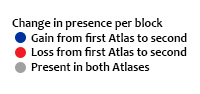
- Status in VT: Decreased by 45% (11 to 6 blocks). Greatest decrease in blocks in Northeastern Highlands.
- Data from other research: No additional data for VT.
- Conservation status: State rank S3B; S3N
- Other atlases: NY: 14%; ON: 61%
- VT’s role in North American range: VT is in the southeastern edge of the range.
- Causes of change since first Atlas: Irruptive species. Decline may not reflect real change in core population.
- Management/Monitoring recommendations: No current recommendations.
First Vermont Breeding Bird Atlas (1976-1981)
Species Account
Second Vermont Breeding Bird Atlas (2003 – 2007)
Species Account


Change in Distribution


Links
Vermont eBird
Encyclopedia of Life
All About Birds