Skip to content
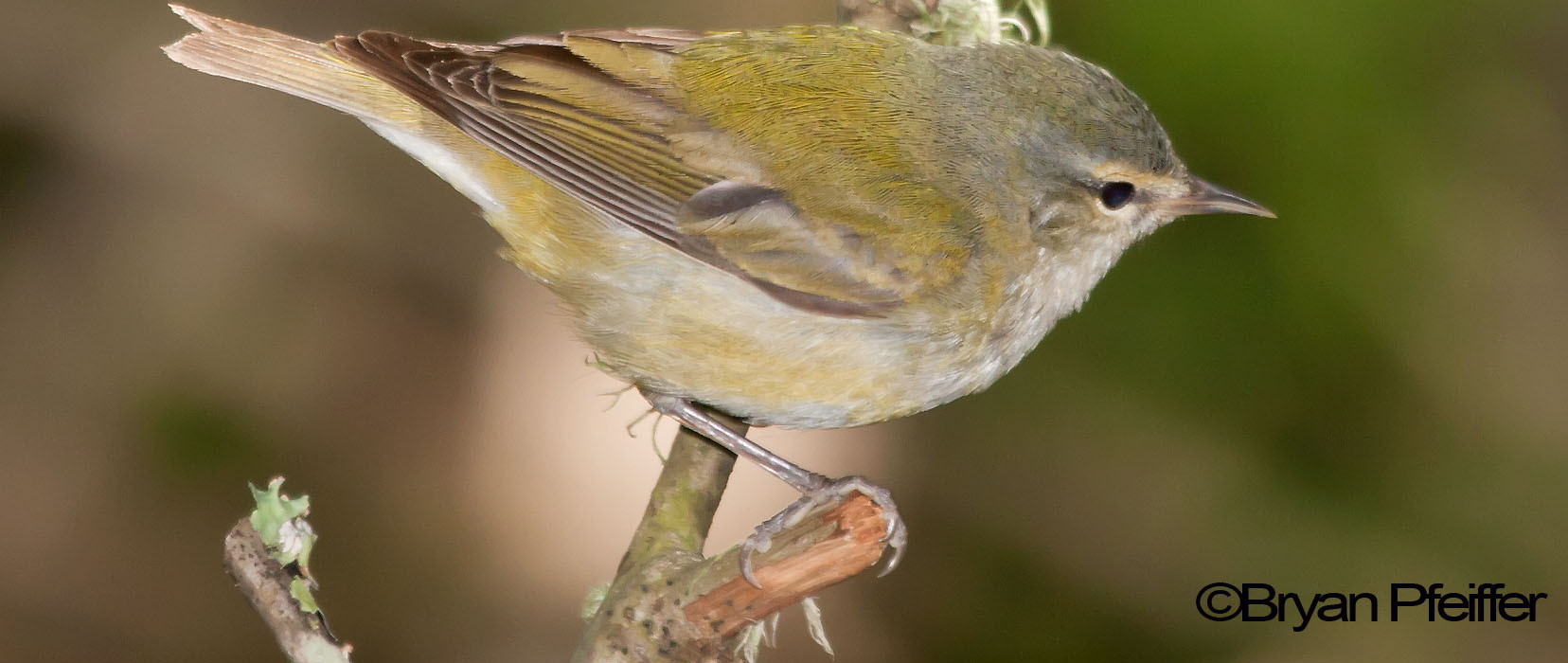
Tennessee Warbler (Oreothlypis peregrina)
Summary
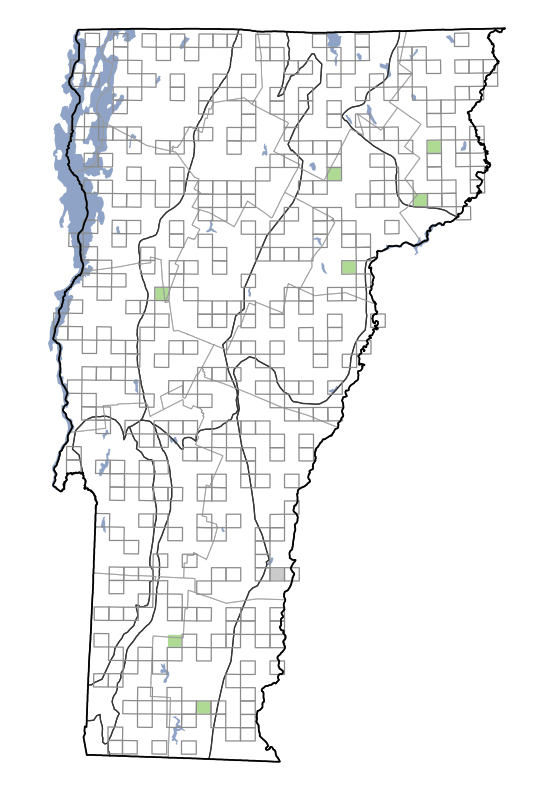
- Natural history: Tennessee Warblers specialize in eating spruce budworm caterpillars, and their breeding activity in Vermont has tracked the boom-and-bust cycle of budworm outbreaks, the most recent of which ran from 1975 to 1983. Because the species often wanders south of its true nesting range in early summer after failing to breed, a singing male heard in Vermont in midsummer is more likely a disappointed migrant passing through than proof of local nesting. Every record gathered during the Second Atlas fell into this ambiguous category, suggesting Vermont may not currently host any breeding Tennessee Warblers at all.
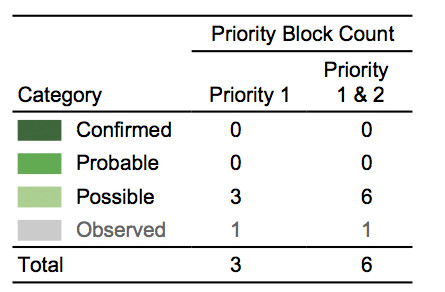
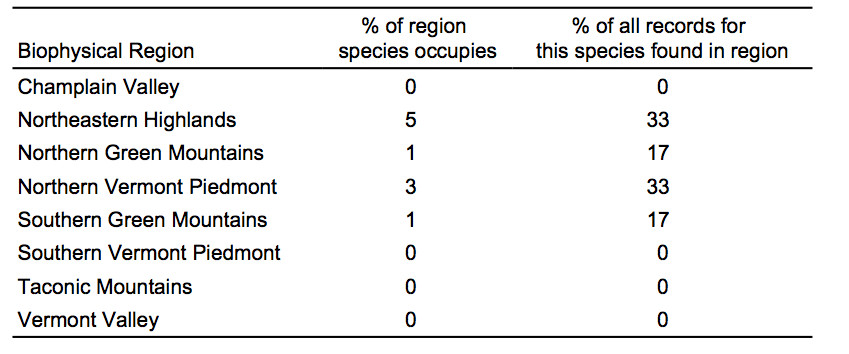
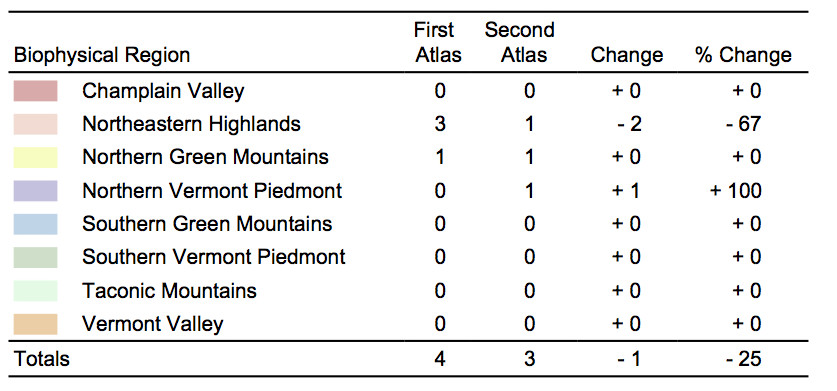
- Status in VT: Decreased by 25% (4 to 3 blocks). Greatest changes in Northeastern Highlands (-67%) and Northern Vermont Piedmont (100%).
- Data from other research: No additional data for VT.
- Conservation status: State rank S1B
- Other atlases: NY and ON: stable
- VT’s role in North American range: VT is at the extreme southern periphery of the range.
- Causes of change since first Atlas: Rare and sporadic breeder whose occurrence parallels spruce budworm infestation; habitat suitability reduced by curtailment of large scale logging operations.
- Management/Monitoring recommendations: No specific recommendations. Management is best directed towards Canada’s boreal forest and Latin American wintering areas.
First Vermont Breeding Bird Atlas (1976-1981)
Species Account
Second Vermont Breeding Bird Atlas (2003 – 2007)
Species Account
Change in Distribution


Links
Vermont eBird
Encyclopedia of Life
All About Birds