Skip to content
Swamp Sparrow (Melospiza georgiana)
Summary
- Natural history: The Swamp Sparrow lives alongside the far noisier, more visible Red-winged Blackbird in the same cattail marshes, yet it is so retiring that birders usually locate it purely by ear, picking out its slow, one-note trill from the blackbird’s harsher calls. The species has quietly benefited from a shift in national policy, as decades of subsidized wetland drainage through the mid-1900s gave way to laws like the 1985 Farm Bill that penalized converting wetlands to cropland, along with later programs that paid landowners to restore marsh habitat. Because its nests sit low over open water in dense cover, most Vermont breeding confirmations came not from nests themselves but from fledglings spotted after they had already left them.
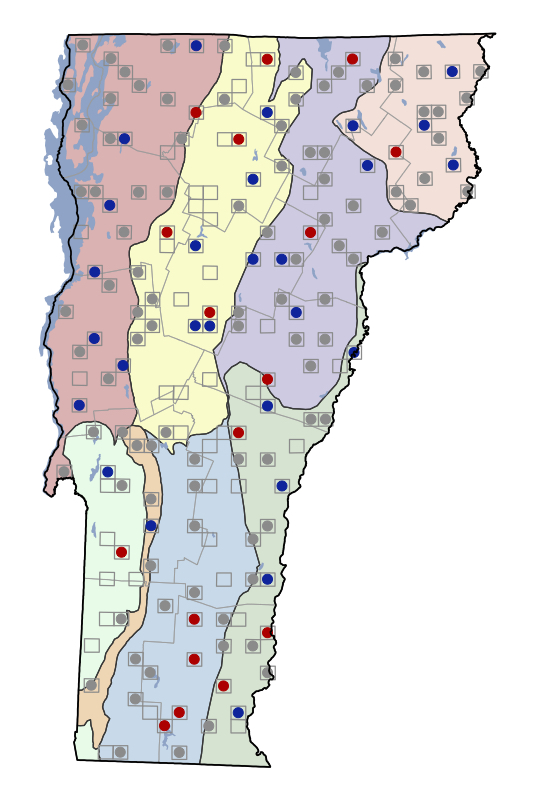
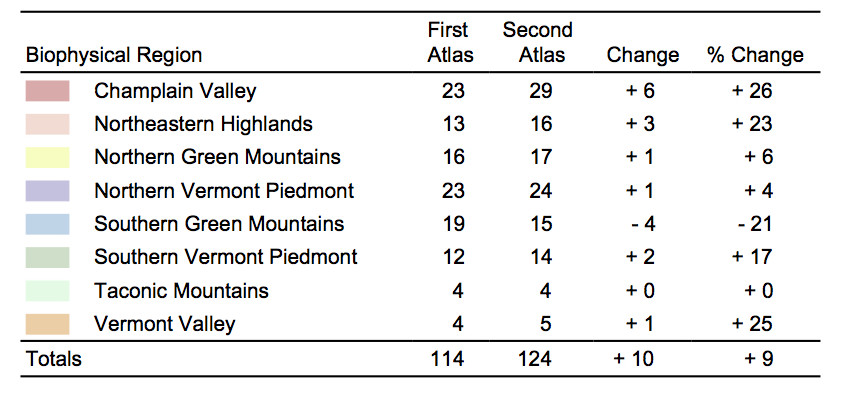
- Status in VT: Increased by 9% (114 to 124 blocks). Greatest increases in Champlain Valley and Vermont Valley.
- Data from other research: No additional data for VT.
- Conservation status: State rank S5B
- Other atlases: NY: 6%; PA: 32%; MD: -10%; ON: increase
- VT’s role in North American range: VT is within the core of the range.
- Causes of change since first Atlas: No significant change.
- Management/Monitoring recommendations: No current recommendations.
Population Trends
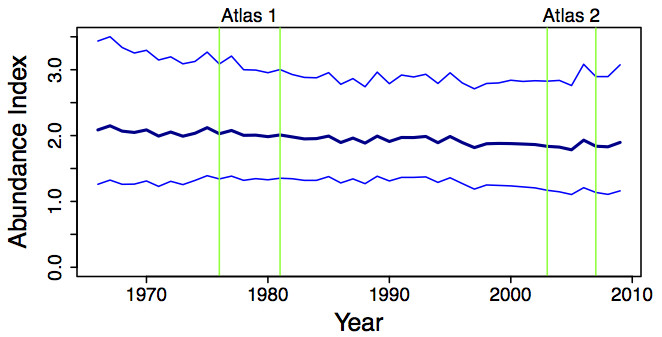
First Vermont Breeding Bird Atlas (1976-1981)
Species Account
Second Vermont Breeding Bird Atlas (2003 – 2007)
Species Account
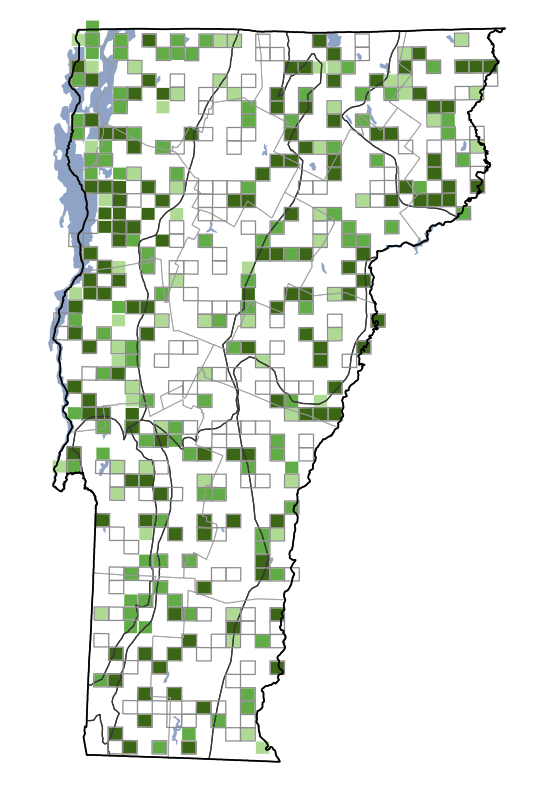
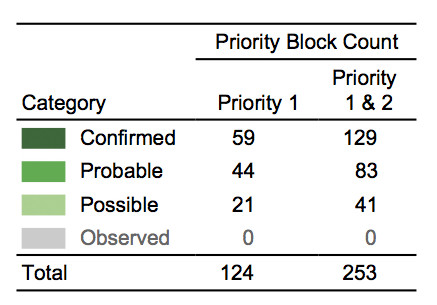
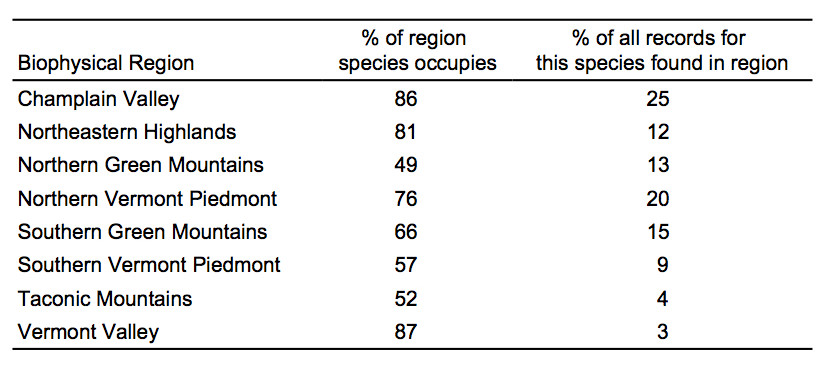
Change in Distribution

Links
Vermont eBird
Encyclopedia of Life
All About Birds