Skip to content
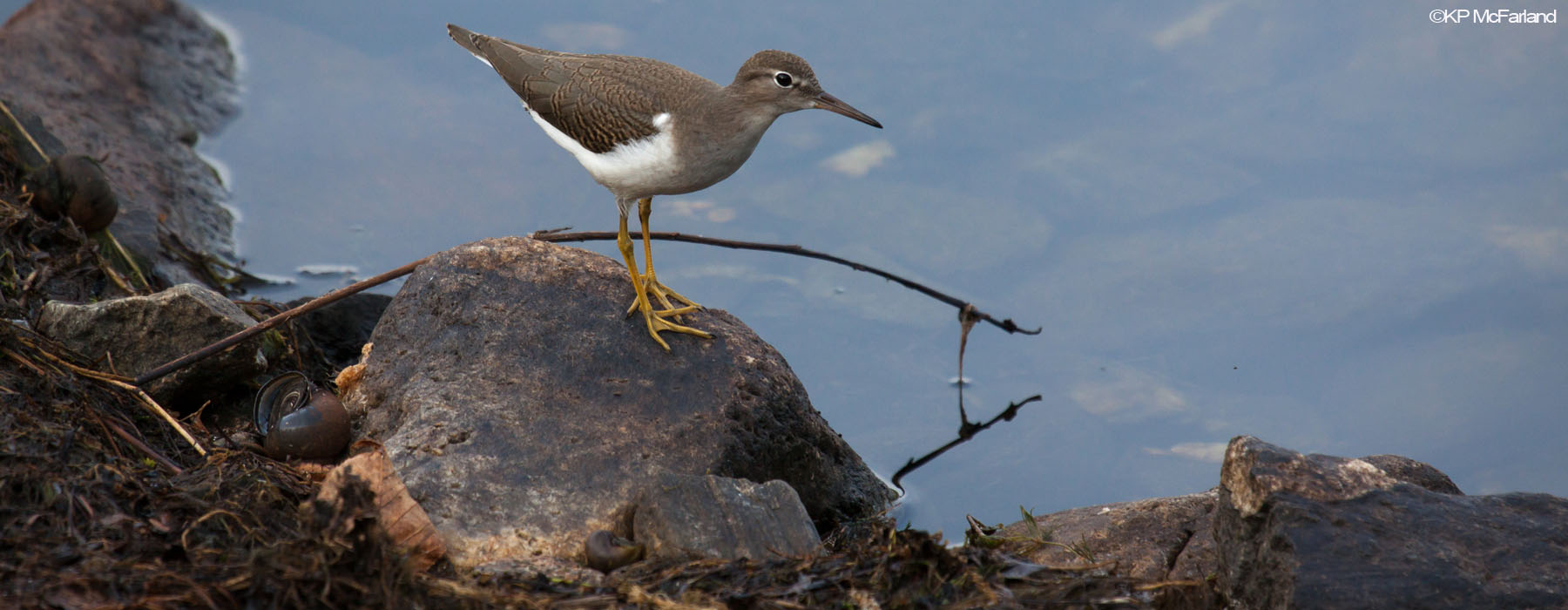
Spotted Sandpiper (Actitis macularius)
Summary
- Natural history: Spotted Sandpipers reverse the usual avian script: females may mate with two to four males in a single season, and it is the males who do most of the incubating and chick-tending, a mating system called polyandry that is rare among birds generally but shows up more often in shorebirds. This arrangement is possible because the chicks are precocial, able to feed themselves and fly within about 18 days of hatching, freeing at least one parent from rearing duty. Vermont’s decline mirrors similar unexplained drops among Spotted Sandpipers and many other shorebird species across the Northeast, suggesting the cause may lie in changes on migration routes or wintering grounds rather than in local breeding habitat.
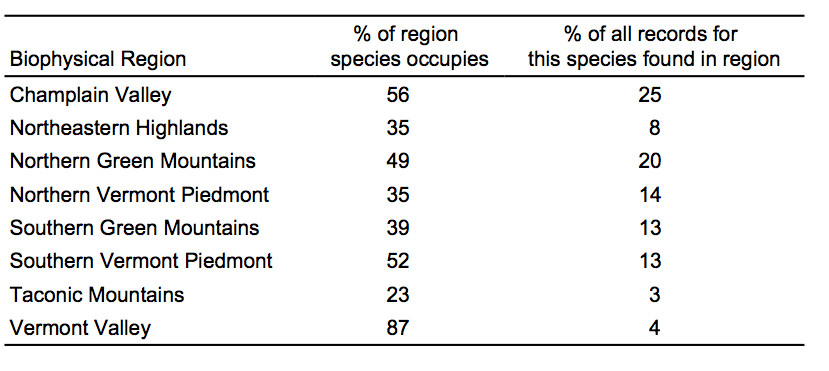
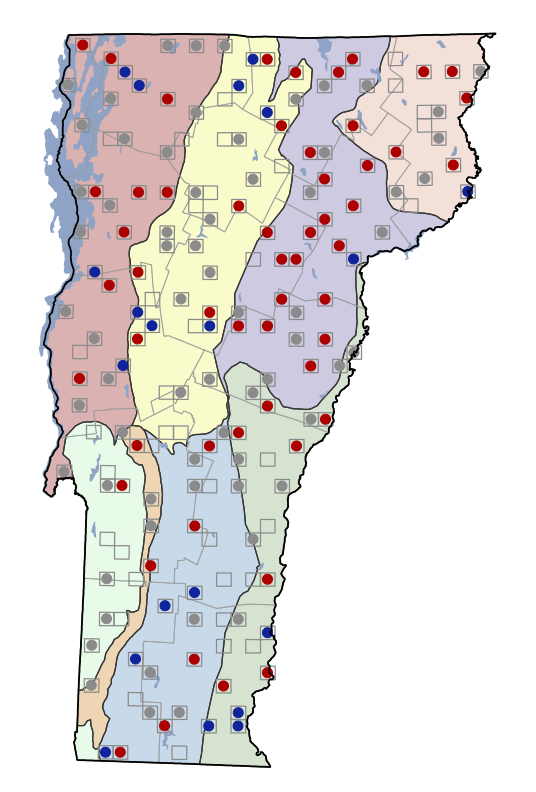
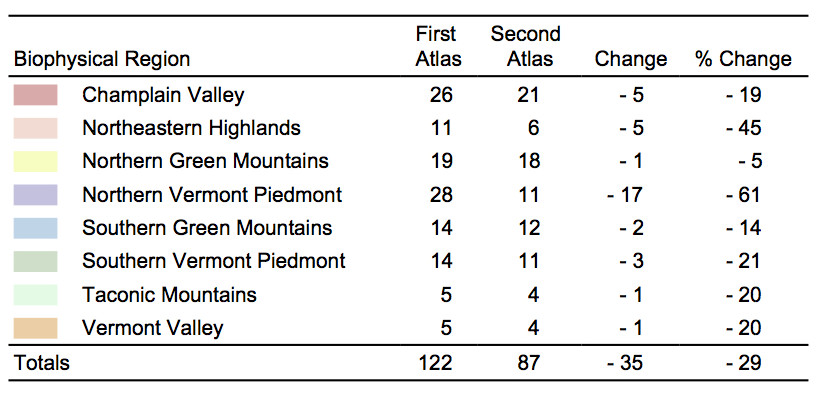
- Status in VT: Decreased by 29% (122 to 87 blocks). Greatest decreases in Northern Vermont Piedmont and Northeastern Highlands.
- Data from other research: No additional data for VT.
- Conservation status: State rank S5B
- Other atlases: NY: -12%; ON: declining
- VT’s role in North American range: VT is within the core of the range.
- Causes of change since first Atlas: Unclear.
- Management/Monitoring recommendations: Targeted monitoring to begin to determine cause of decline.
Population Trends
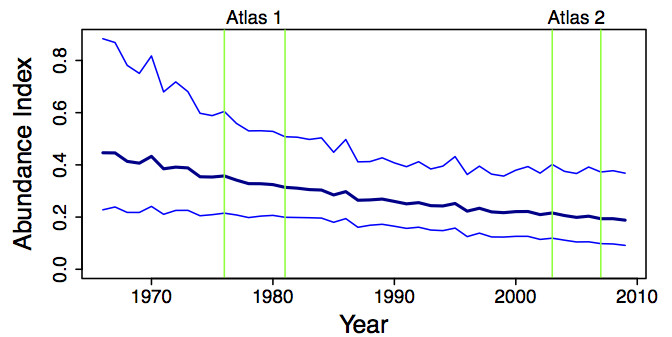
First Vermont Breeding Bird Atlas (1976-1981)
Species Account
Second Vermont Breeding Bird Atlas (2003 – 2007)
Species Account
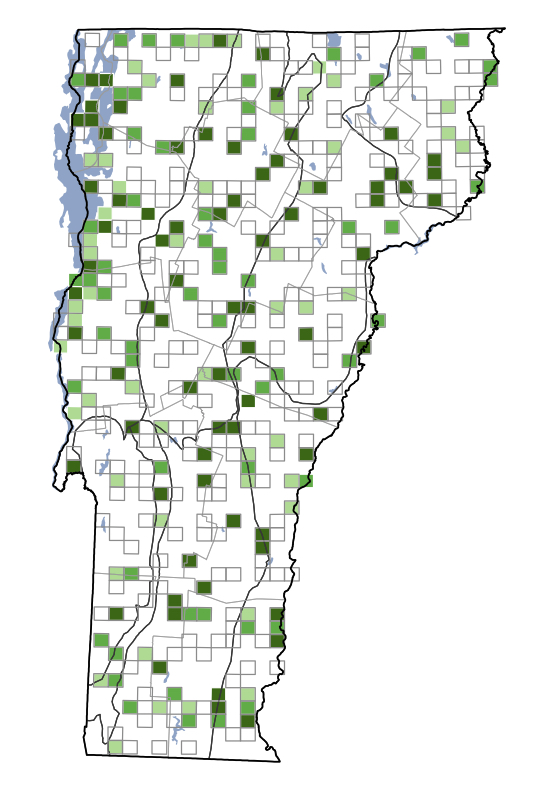
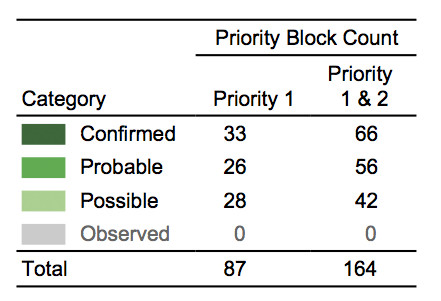
Change in Distribution

Links
Vermont eBird
Encyclopedia of Life
All About Birds