Skip to content
Short-eared Owl (Asio flammeus)
Summary
- Natural history: Short-eared Owls hunt by day as well as night over open grasslands and marshes, and males once performed dramatic aerial courtship displays over the fields at Dead Creek Wildlife Management Area, the state’s best-known site for the species. Vermont lost its only confirmed breeding population sometime after the First Atlas, and the bird was later removed from the state’s Species of Special Concern list not because it recovered but because it essentially stopped breeding here at all. The likely culprit is intensified farming, as hayfields got cut earlier and more often, or were converted to row crops entirely, squeezing out the open ground the owl needs to hunt and nest.
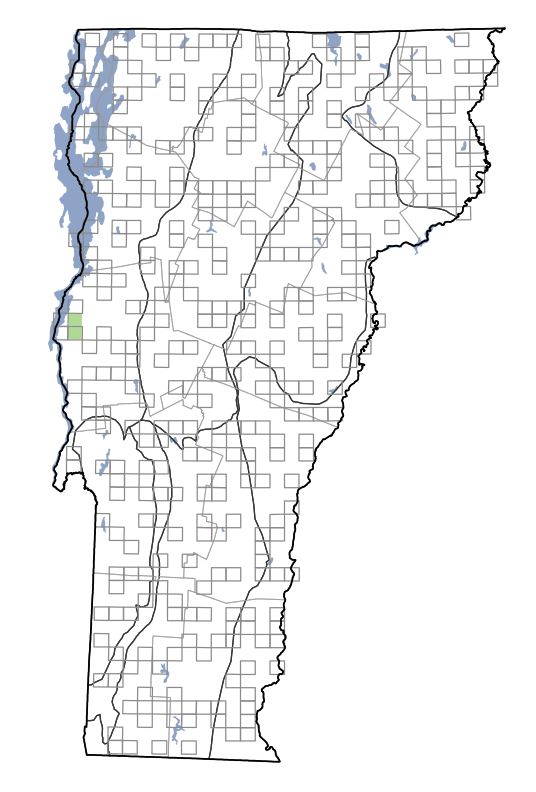
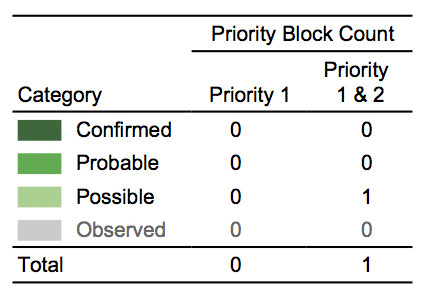
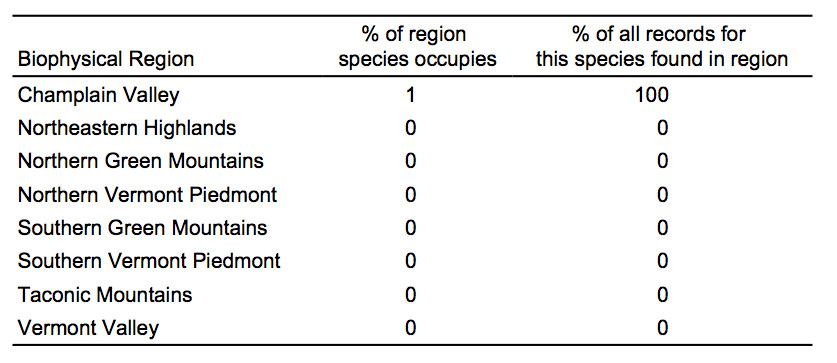
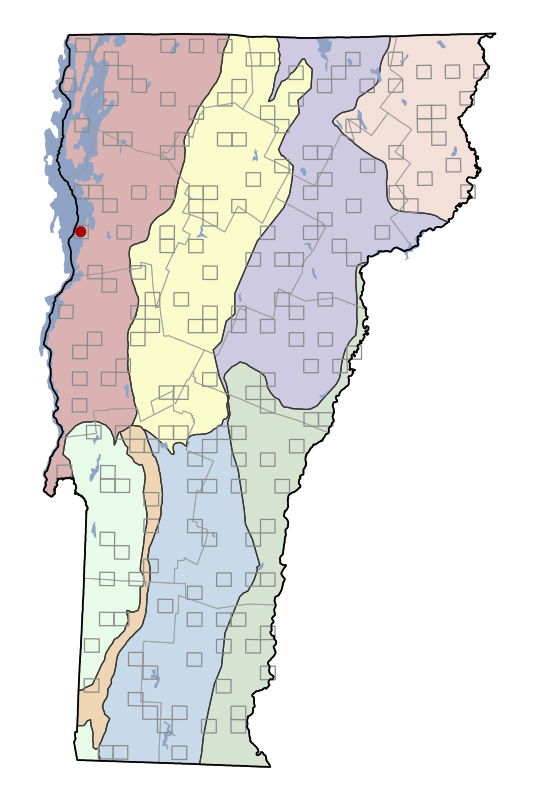
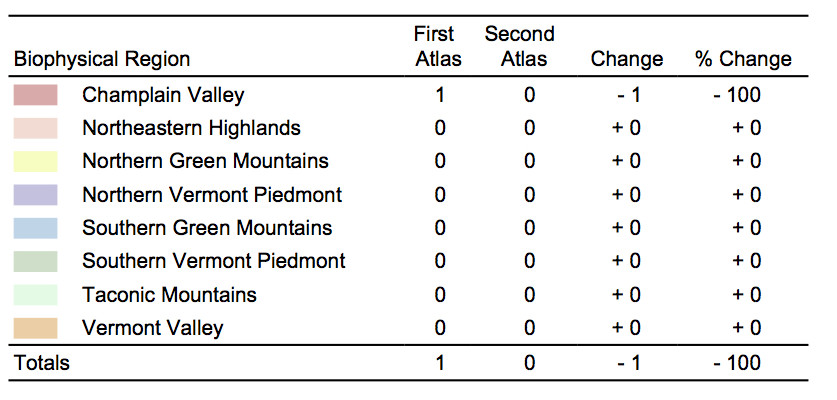
- Status in VT: Decreased by 100% (1 to 0 blocks), in Champlain Valley. All Atlas records for this bird are from the Champlain Valley.
- Data from other research: No additional data for VT.
- Conservation status: State rank S1B; S1N; recently removed from SGCN list as it no longer breeds in the state.
- Other atlases: NY: -33%; PA: 17%
- VT’s role in North American range: VT lies near the southern tip of the eastern breeding range.
- Causes of change since first Atlas:Intensification of agricultural practices which reduce hunting areas (?): e.g., more frequent haying, conversion of hayfields to row crops.
- Management/Monitoring recommendations:Maintain large tracts of grassland to provide potential habitat; continued, specialized monitoring throughout the year.
First Vermont Breeding Bird Atlas (1976-1981)
Species Account
Second Vermont Breeding Bird Atlas (2003 – 2007)
Species Account
Change in Distribution

Links
Vermont eBird
Encyclopedia of Life
All About Birds