Skip to content
Savannah Sparrow (Passerculus sandwichensis)
Summary
- Natural history: Savannah Sparrows are a grassland-obligate species that nest anywhere from lightly grazed pastures to intensively cut dairy hayfields. Detailed banding studies in Chittenden County revealed just how costly those working farms can be, since on fields cut early and often, females can lay up to six clutches in a single summer and still fledge zero young. Delaying the first hay cut by just two weeks measurably raises chick survival, and despite this hazard, Vermont’s population has actually grown since the First Atlas thanks to the sparrow’s willingness to nest in almost any open grassy habitat, from managed fields to overgrown meadows.
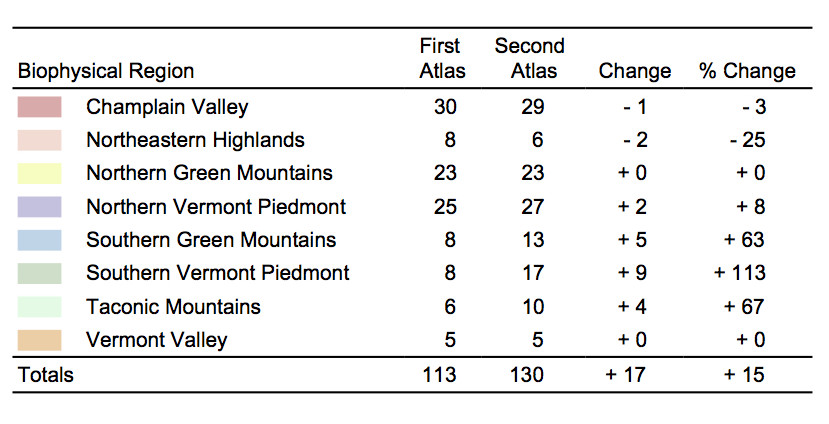
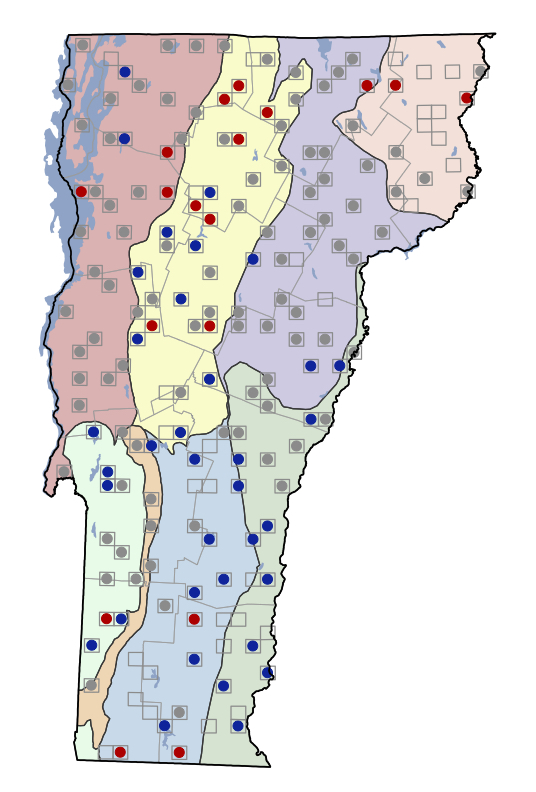
- Status in VT: Increased by 15% (113 to 130 blocks). Greatest increase in Southern Vermont Piedmont.
- Data from other research: No additional data for VT.
- Conservation status: State rank S5B
- Other atlases: PA: 26%
- VT’s role in North American range: VT is within the core of the range.
- Causes of change since first Atlas: Uses a diversity of grassland habitats; high survival rates; persistent (females re-nest on day 1 following mowing).
- Management/Monitoring recommendations: The Grassland Reserve Program provides guidelines for private landowners to manage for grassland birds.
Population Trends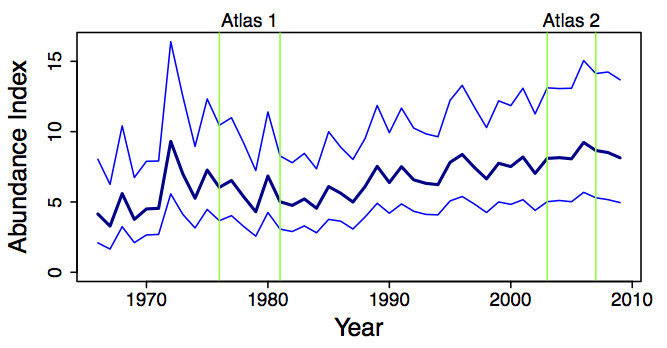
First Vermont Breeding Bird Atlas (1976-1981)
Species Account
Second Vermont Breeding Bird Atlas (2003 – 2007)
Species Account
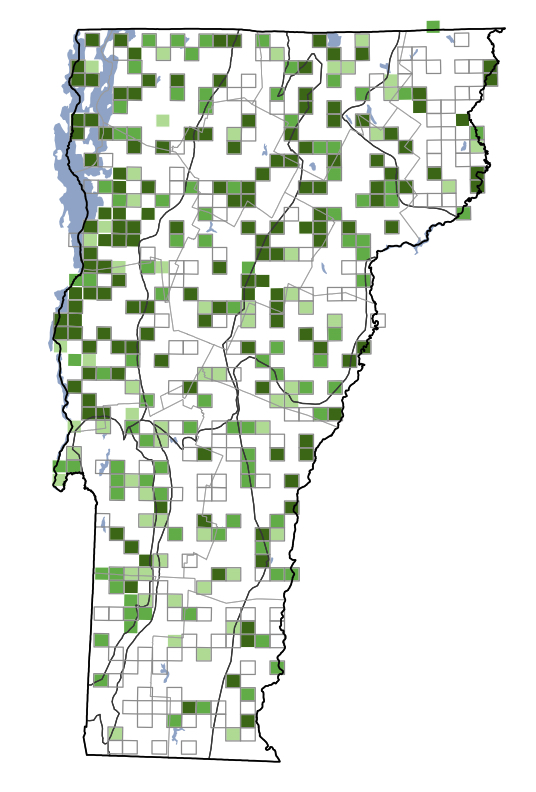
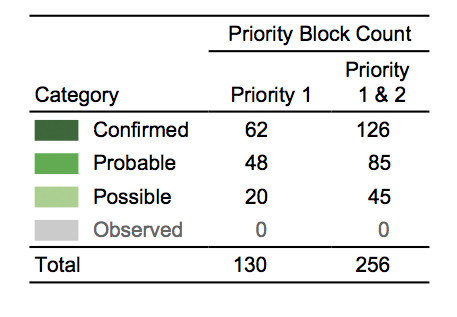
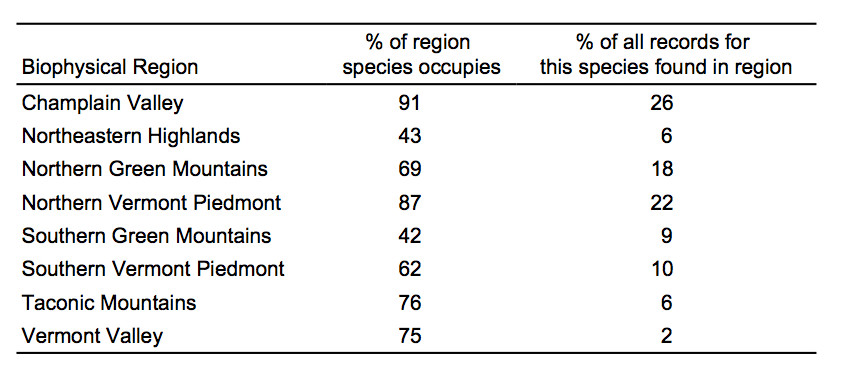
Change in Distribution

Links
Vermont eBird
Encyclopedia of Life
All About Birds