Skip to content
Red-shouldered Hawk (Buteo lineatus)
Summary
- Natural history: Male Red-shouldered Hawks perform a looping courtship flight high above the treetops, often as early as mid-March while snow still blankets the ground, a display birders read as one of the season’s first true signs of spring. Vermont sits near the northern edge of the species’ breeding range, and the birds favor mature woods near water, including riverside and bottomland forest, with territories that can span more than 200 acres. Nineteenth-century naturalists actually considered this hawk more common than the Red-tailed Hawk in the Northeast, but it has fared worse amid logging and development and can be pushed out of its territory by the more aggressive Red-tailed Hawk and Great Horned Owl.
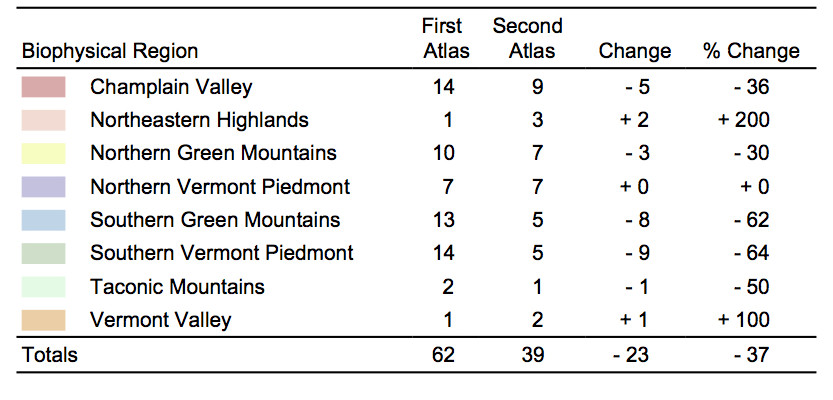
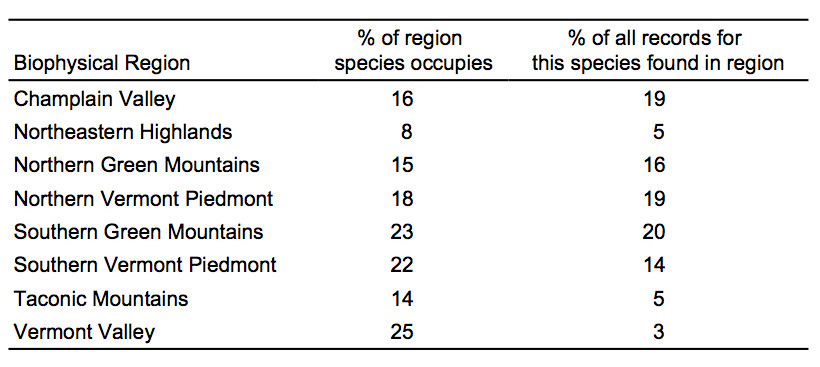
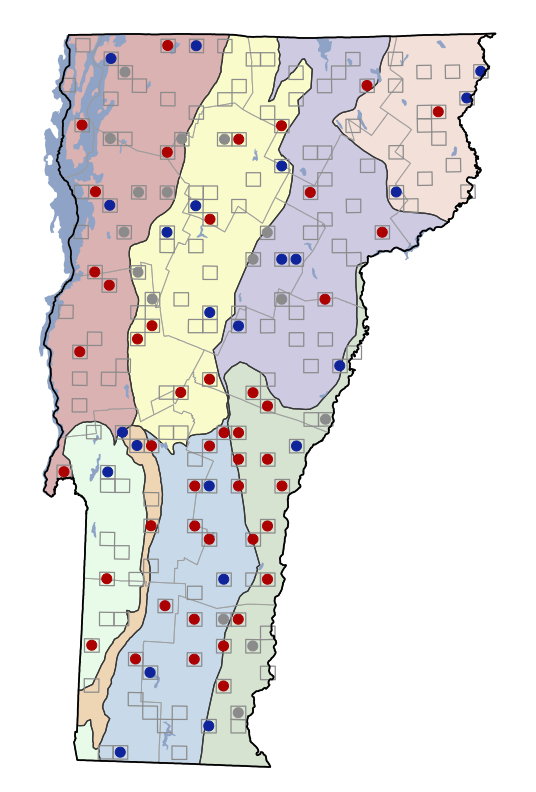
- Status in VT: Decreased by 37% (62 to 39 blocks). Greatest decreases in Southern Green Mountains and Southern Vermont Piedmont.
- Data from other research: No additional data for VT.
- Conservation status: State rank S2B; SGCN-M
- Other atlases: NY: 23%; PA: 58%; MD: 26%; ON: increased
- VT’s role in North American range: VT is within the core of the range.
- Causes of change since first Atlas: Habitat loss from logging, development, and wetland draining; sensitivity to forest modification, resulting in failed competition with Red-tailed Hawk and Great Horned Owl.
- Management/Monitoring recommendations:Preservation of large tracts of contiguous mature forest and the protection of associated wetlands; use of raptor-specific monitoring protocol; establishment of buffer zone around nesting areas.
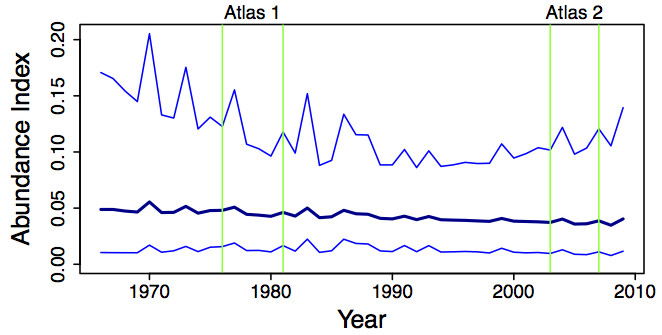
Population Trends
First Vermont Breeding Bird Atlas (1976-1981)
Species Account
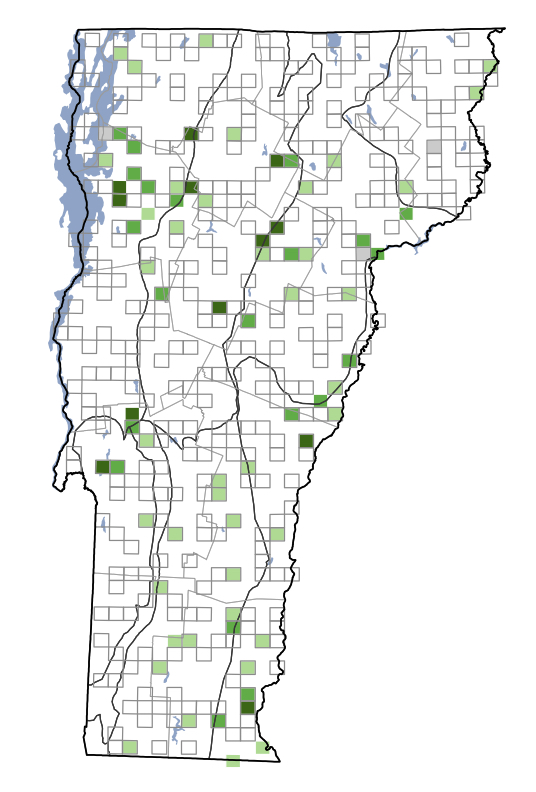
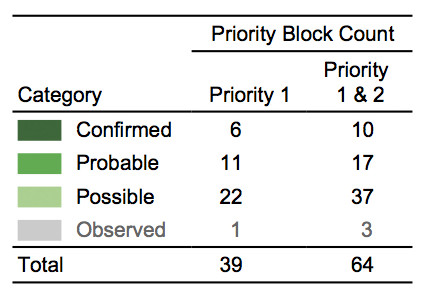
Second Vermont Breeding Bird Atlas (2003 – 2007)
Species Account
Change in Distribution


Links
Vermont eBird
Encyclopedia of Life
All About Birds