Skip to content
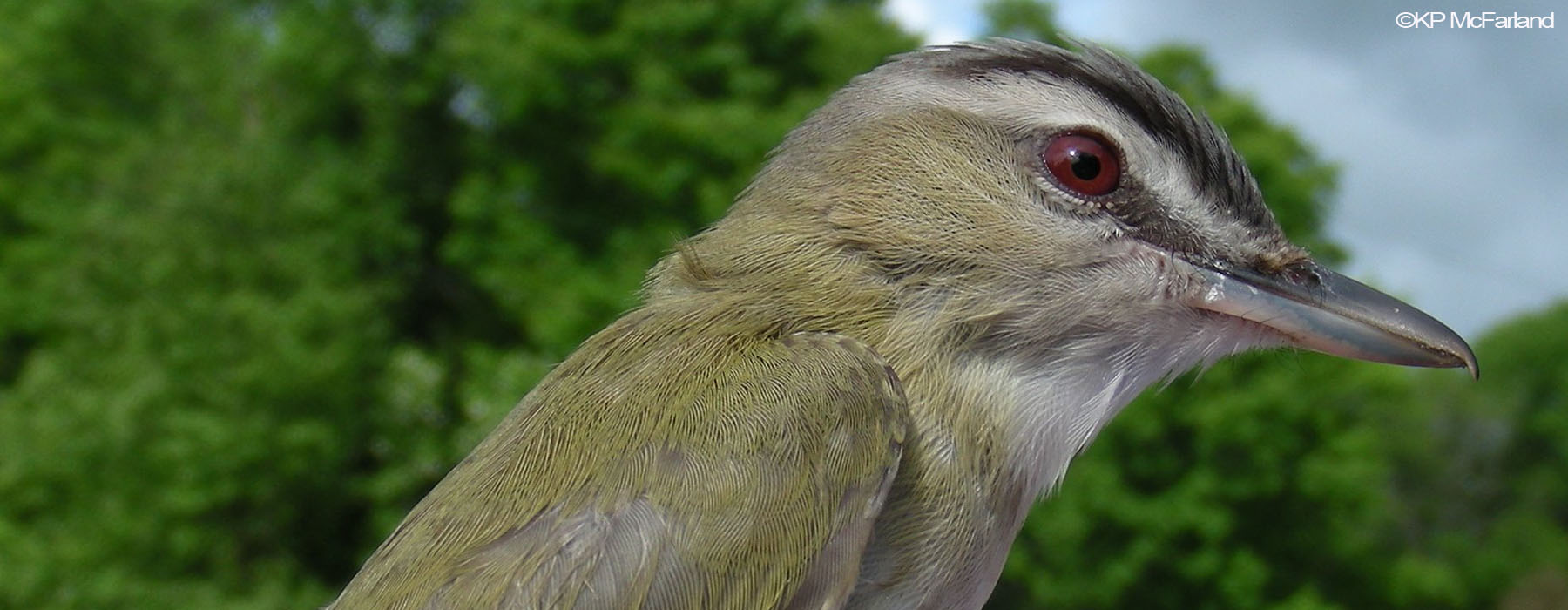
Red-eyed Vireo (Vireo olivaceus)
Summary
- Natural history: A single male Red-eyed Vireo may belt out more than 20,000 songs before nightfall, a nearly nonstop output that makes it one of the easiest species for atlas volunteers to detect. Its population all but disappeared from Vermont in the 1800s when farmers cleared the state’s hardwood forests, but it rebounded fully as those forests regrew, weaving its cup nest onto a forked branch and lashing it in place with strands of spider silk. Vermont’s breeders now winter deep in the Amazon Basin, and together with the Ovenbird, the Red-eyed Vireo ranks as the most frequently detected bird in statewide forest surveys, part of a broader rebound as farmland across the Northeast gave way to regrown woodland.
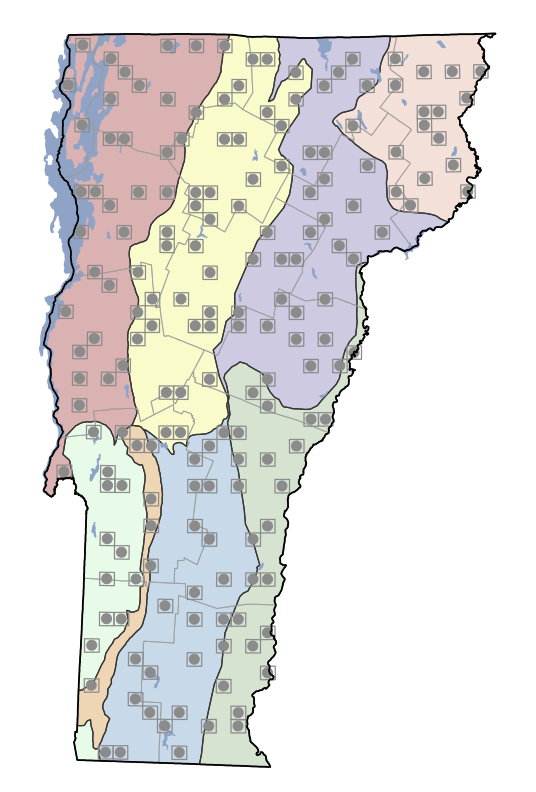
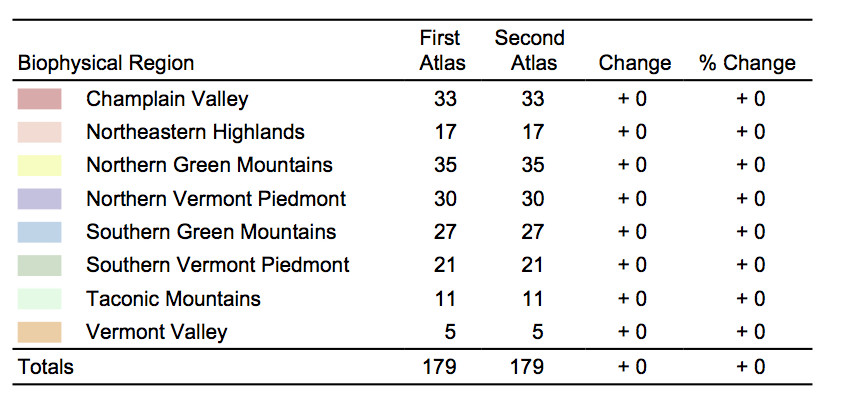
- Status in VT: No change (found in 179 blocks during both atlases). Continues to be abundant throughout Vermont.
- Data from other research: FBMP: no sig. trend.
- Conservation status: State rank S5B
- Other atlases: NY: 3%; PA: 5%
- VT’s role in North American range: VT is within the core of the range.
- Causes of change since first Atlas: No change.
- Management/Monitoring recommendations:No current recommendations.
Population Trends

First Vermont Breeding Bird Atlas (1976-1981)
Species Account
Second Vermont Breeding Bird Atlas (2003 – 2007)
Species Account
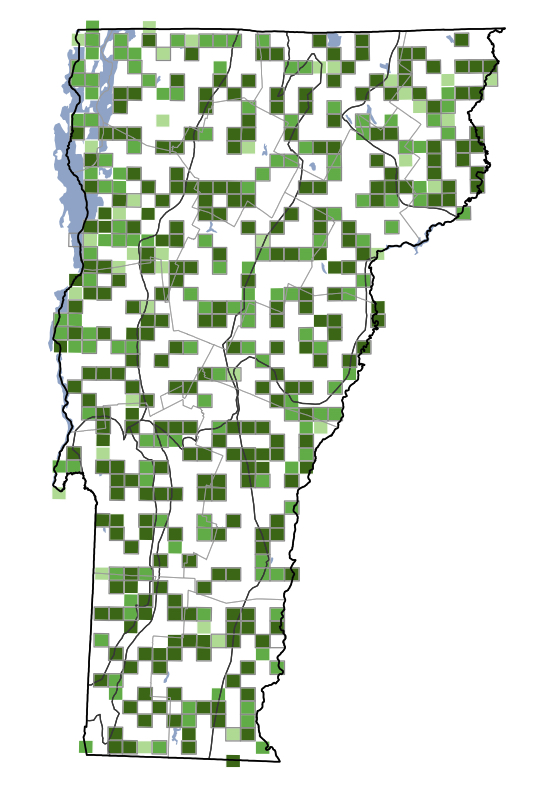
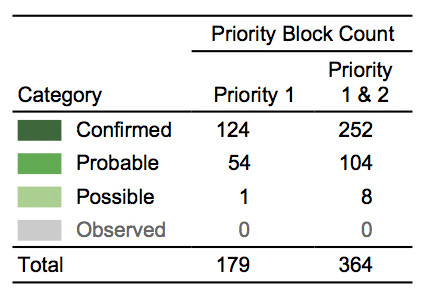
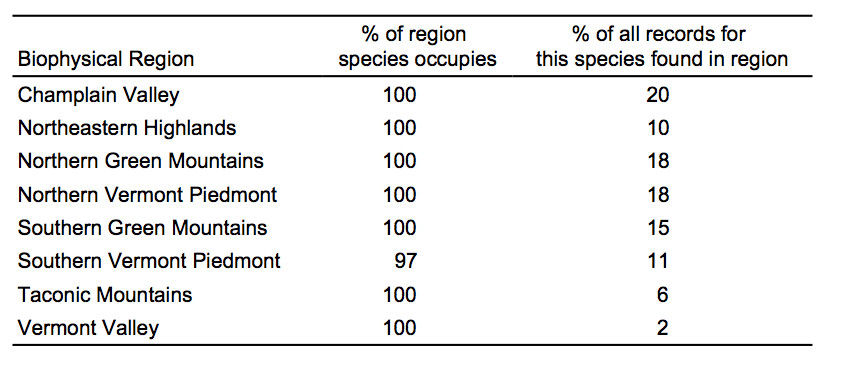
Change in Distribution

Links
Vermont eBird
Encyclopedia of Life
All About Birds