Skip to content
Prairie Warbler (Setophaga discolor)
Summary
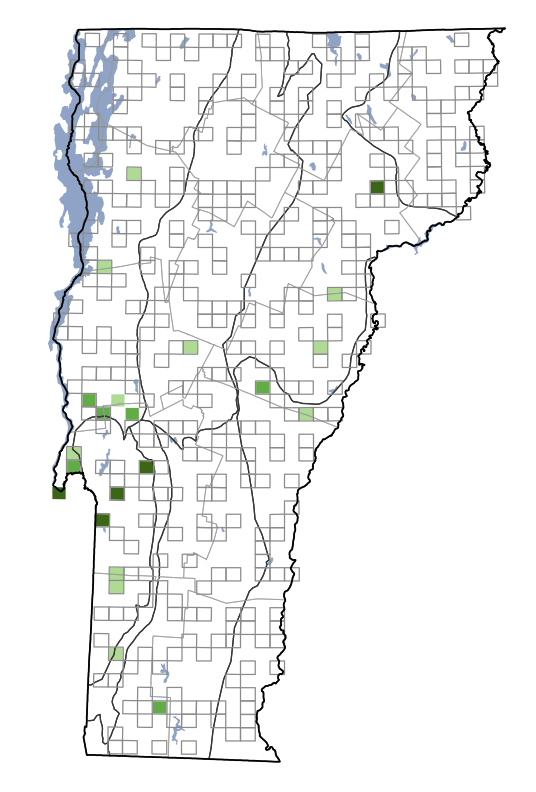
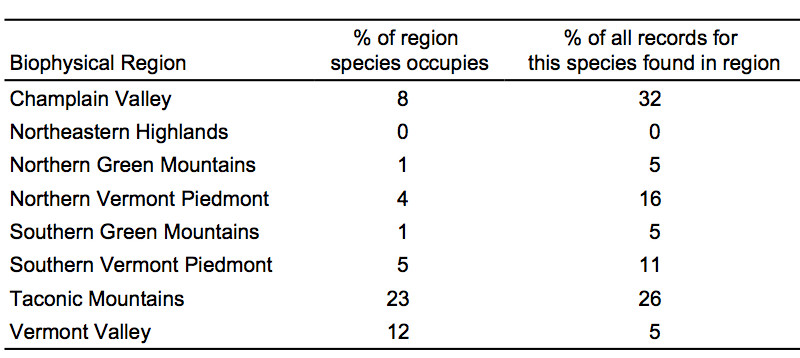
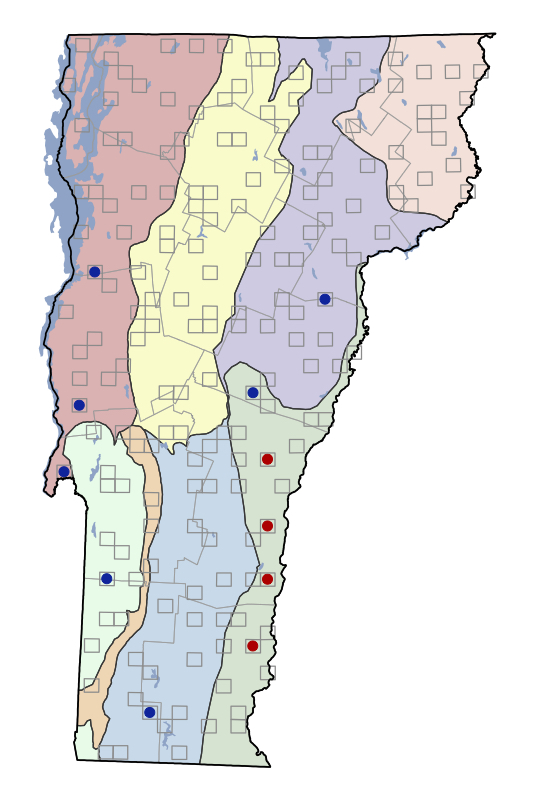
- Natural history: Despite its name, the Prairie Warbler has nothing to do with prairies, favoring shrubby old fields and early second-growth instead, and it is a relatively recent arrival in Vermont, with the first record only in 1919 and the first confirmed nest not until 1971. From the First Atlas to the Second Atlas, the species oddly abandoned the Connecticut River Valley sites that had produced every one of its earlier records, even though the habitat there still looks suitable, while establishing a new foothold instead in the Champlain Valley and Taconic Mountains. This local expansion bucks the wider trend, since Prairie Warblers have been declining across most of their range to the south.
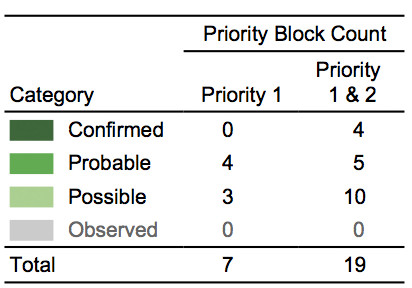
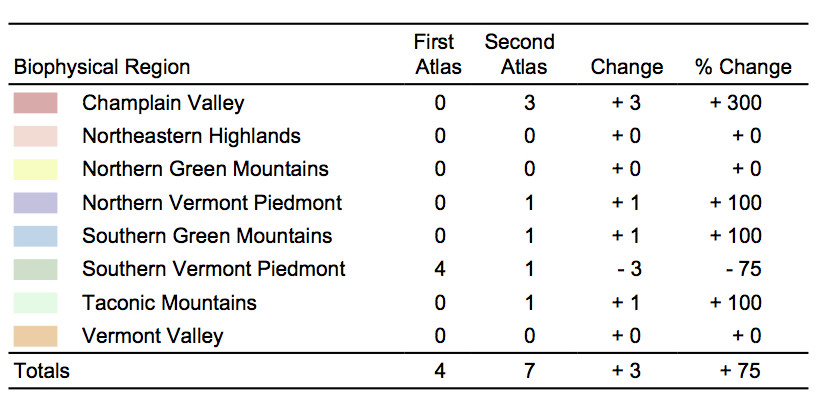
- Status in VT: Increased by 75% (4 to 7 blocks). Greatest increase in Champlain Valley.
- Data from other research: No additional data for VT.
- Conservation status: State rank S3B; SSC; SGCN-M
- Other atlases: NY: northward expansion
- VT’s role in North American range: VT is at the northern edge of the range.
- Causes of change since first Atlas: Unclear; regional decline due to habitat loss through natural succession of shrubland.
- Management/Monitoring recommendations:Maintain early-successional habitat through mowing and prescribed burning, especially in powerline corridors.
First Vermont Breeding Bird Atlas (1976-1981)
Species Account
Second Vermont Breeding Bird Atlas (2003 – 2007)
Species Account
Change in Distribution

Links
Vermont eBird
Encyclopedia of Life
All About Birds