Skip to content
Pine Siskin (Spinus pinus)
Summary
- Natural history: Pine Siskins are nomadic wanderers whose numbers in any given winter or summer depend entirely on where conifer cone crops happen to be good that year, which is why western populations can range as far south as Guatemala while Vermont might host abundant siskins one year and almost none the next. Because parents feed their chicks by regurgitating seeds rather than carrying visible food, confirming active nests is unusually difficult for birdwatchers, and the species faces an additional, avoidable risk at backyard feeders, where salmonella bacteria can spread through droppings if feeding stations are not kept clean.
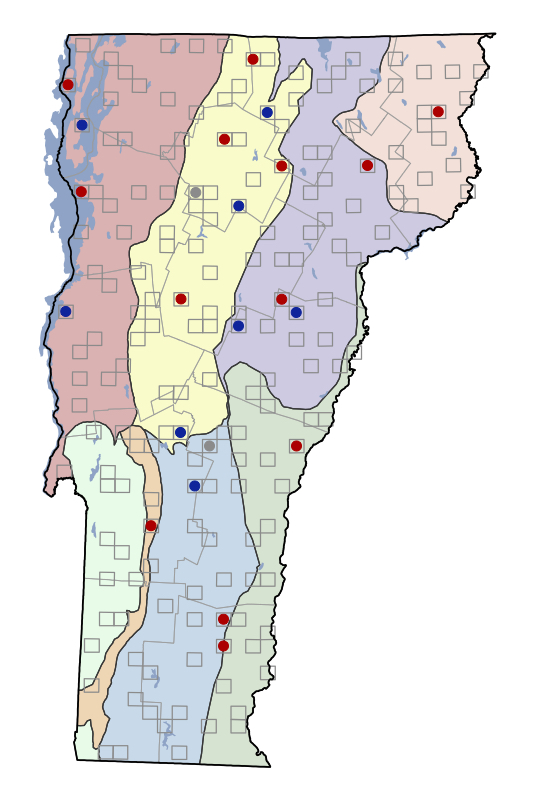
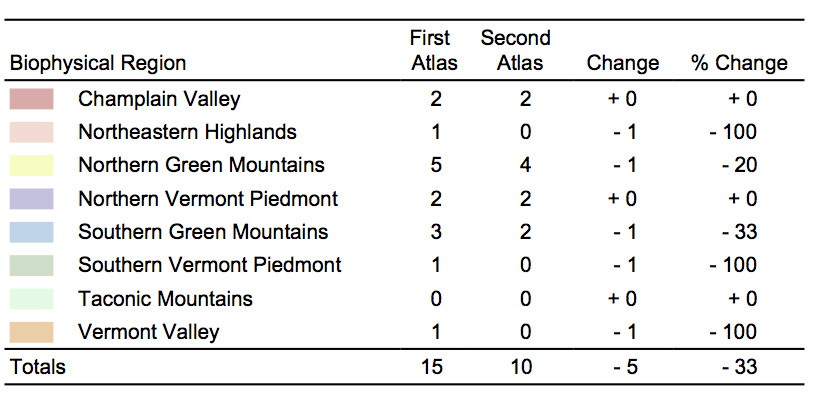
- Status in VT: Decreased by 33% (15 to 10 blocks). Decreases throughout the state.
- Data from other research: No additional data for VT.
- Conservation status: State rank S3B; S4N
- Other atlases: NY: 1%; PA: 37%; ON: decline.
- VT’s role in North American range: VT is within the core of the range.
- Causes of change since first Atlas: Outbreaks of disease (e.g., salmonellosis) (?).
- Management/Monitoring recommendations: No current recommendations.
First Vermont Breeding Bird Atlas (1976-1981)
Species Account
Second Vermont Breeding Bird Atlas (2003 – 2007)
Species Account
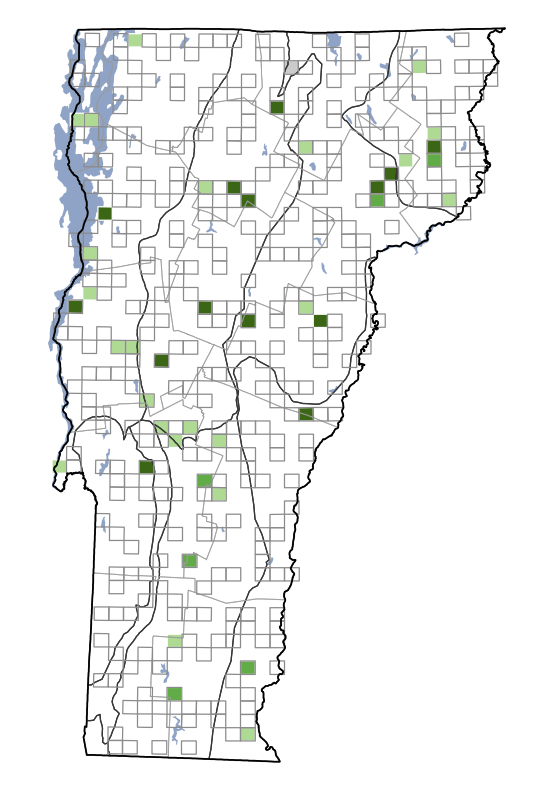
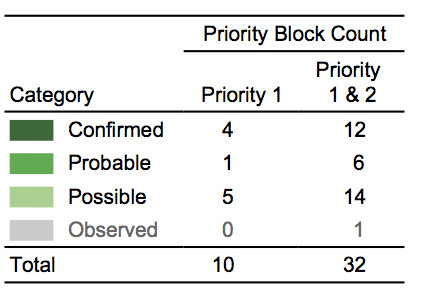
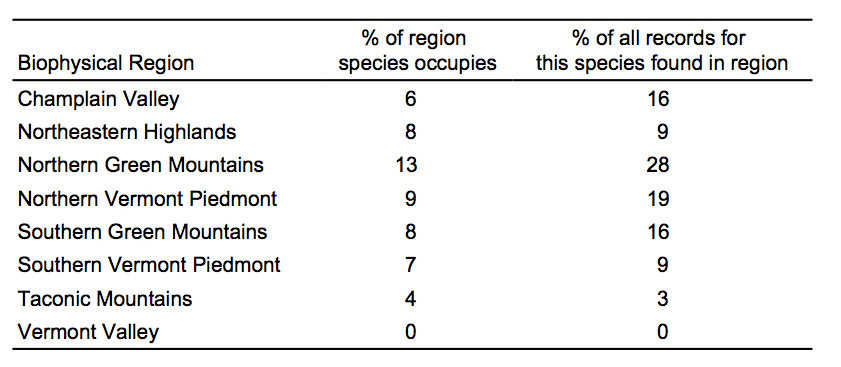
Change in Distribution

Links
Vermont eBird
Encyclopedia of Life
All About Birds