Skip to content
Peregrine Falcon (Falco peregrinus)
Summary
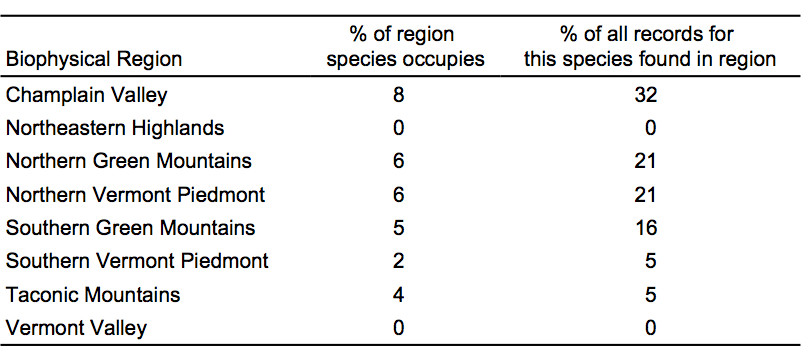
- Natural history: Extirpated as a breeder before recovering through a hacking program that released nearly 100 young falcons from three Vermont cliff sites between 1977 and 1987, Peregrines returned to breed successfully at Mount Pisgah in 1985. They now nest in every biophysical region except the Vermont Valley, where suitable cliffs are scarce, and Vermont was the first state in the region to delist the species, in 2005.
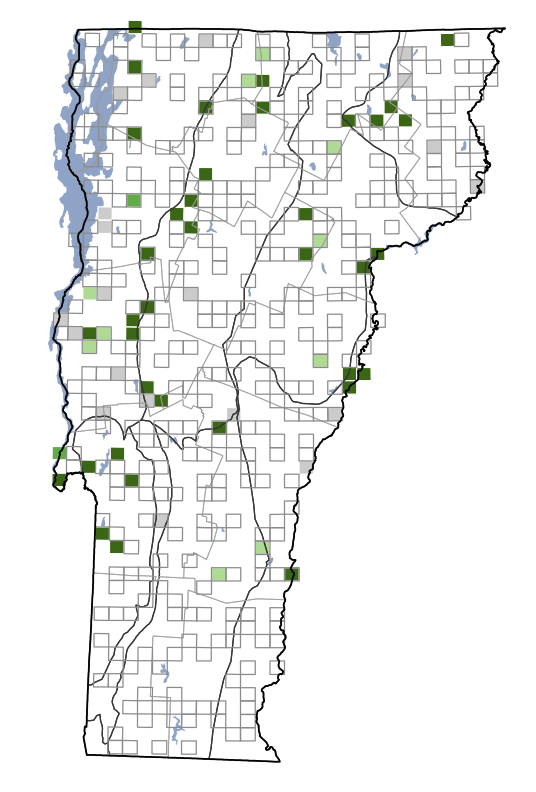
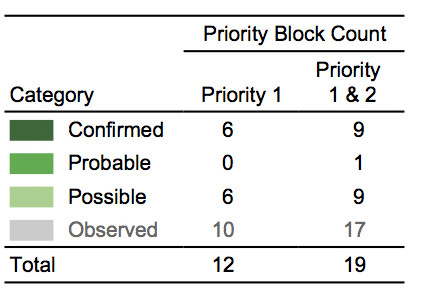
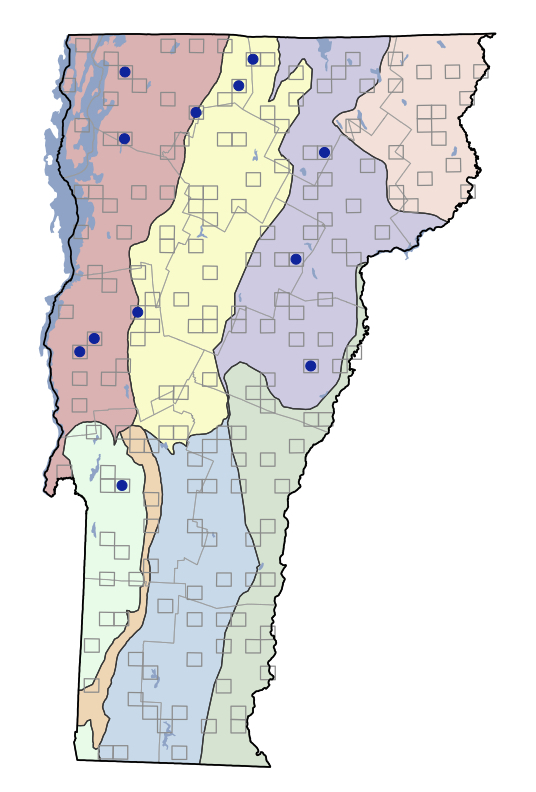
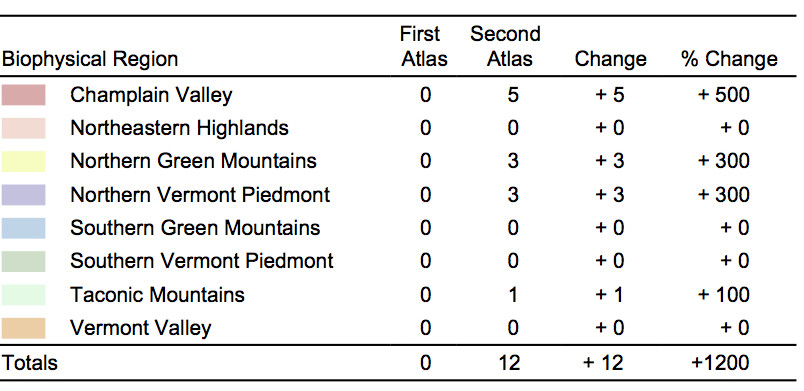
- Status in VT: Increased by 1,200% (0 to 12 blocks). Greatest increases in Champlain Valley, Northern Green Mountains, and Northern Vermont Piedmont.
- Data from other research: VFWD: 38 pairs in 2008
- Conservation status: State rank S3B; SGCN-H
- Other atlases: NY: 2 to 62 pairs; PA: 3 to 26 pairs; MD: 157%
- VT’s role in North American range: VT is within the core of the range.
- Causes of change since first Atlas:Reintroduction through hacking; elimination of DDT from the food chain; protection through endangered species status.
- Management/Monitoring recommendations:Continued monitoring of occupancy and productivity; periodic testing of un-hatched eggs for contaminant testing; reduce human disturbance through seasonal cliff closures and protection of nest sites. See Vermont Peregrine Falcon Recovery Project
First Vermont Breeding Bird Atlas (1976-1981)
Species Account
Second Vermont Breeding Bird Atlas (2003 – 2007)
Species Account
Change in Distribution

Links
Vermont eBird
Encyclopedia of Life
All About Birds