Skip to content
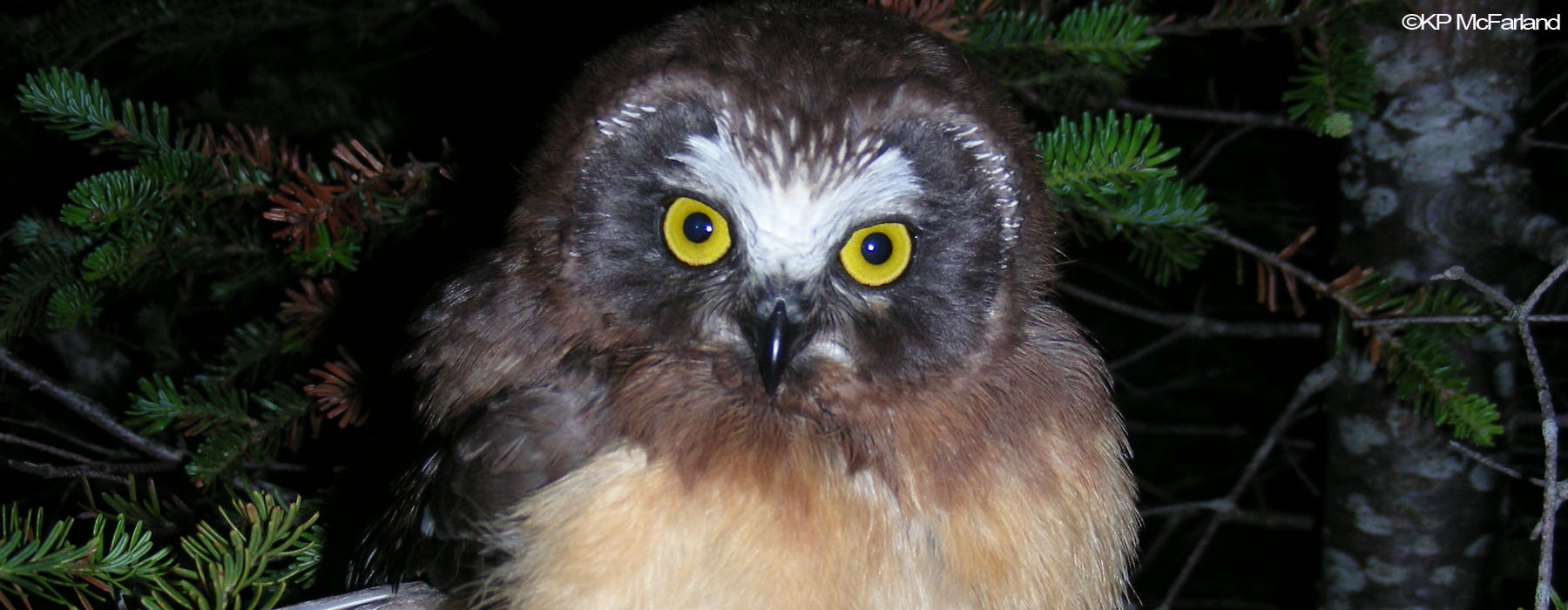
Northern Saw-whet Owl (Aegolius acadicus)
Summary
- Natural history: Despite likely being one of the most common owls in the boreal forest, the Northern Saw-whet Owl is so secretive and nomadic that basic facts about its biology, including how old a bird must be before it first breeds, remain unknown. Bumper crops of balsam fir cones appear to fuel small mammal populations, which in turn seem to trigger higher owl breeding success the following year, suggesting nesting activity is tied to a boom-and-bust food chain. The species also falls nearly silent once egg-laying begins in March or April, often before Vermont’s atlas volunteers were even out searching for it.
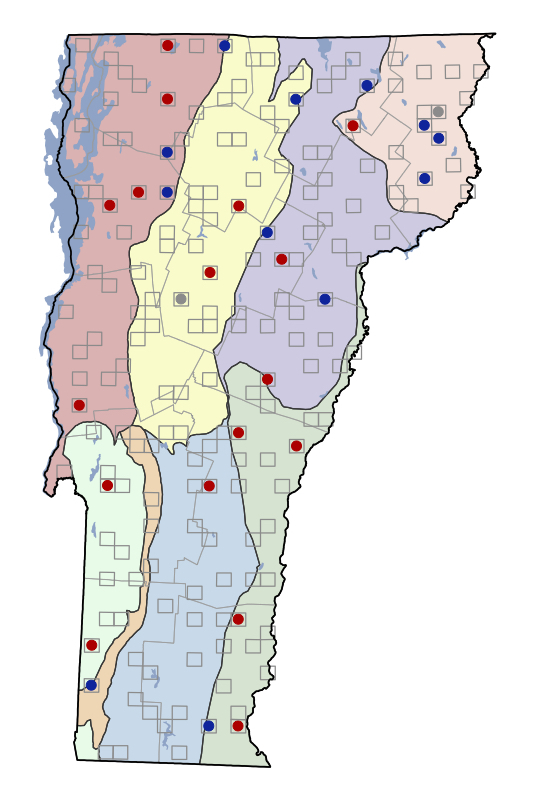
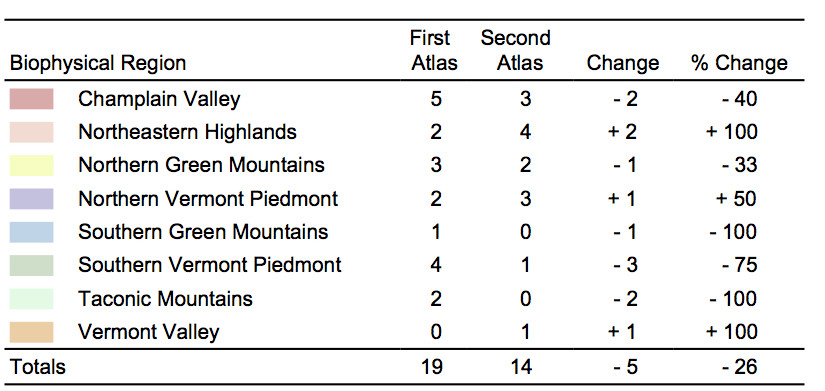
- Status in VT: Decreased by 26% (19 to 14 blocks). Greatest decreases in Southern Green Mountains and Taconic Mountains.
- Data from other research: No additional data for VT.
- Conservation status: State rank S3B; S3N
- Other atlases: NY: 13%; PA: 280%; ON: increased
- VT’s role in North American range: VT is within the core of the range.
- Causes of change since first Atlas: Logging of mature forest stands, particularly removal of coniferous roosting trees; highly nomadic species that produces more young during high mast years.
- Management/Monitoring recommendations:Erection of nest boxes; targeted surveys to more accurately track status.
First Vermont Breeding Bird Atlas (1976-1981)
Species Account
Second Vermont Breeding Bird Atlas (2003 – 2007)
Species Account
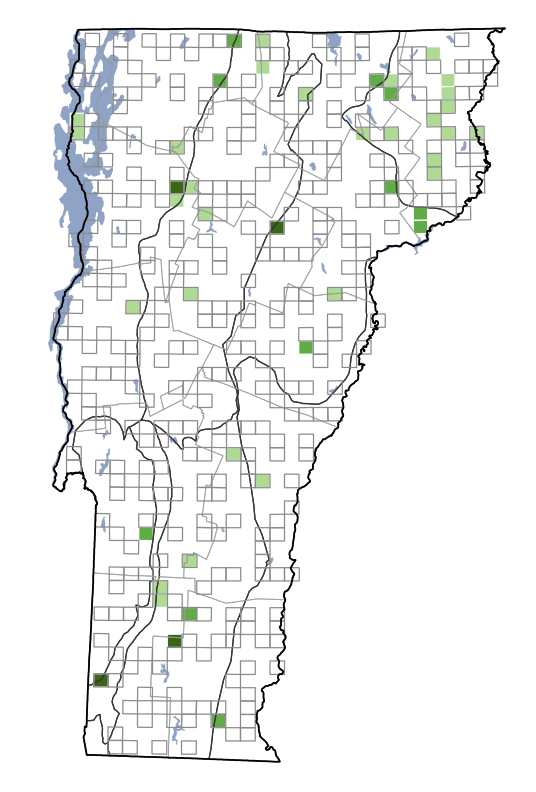
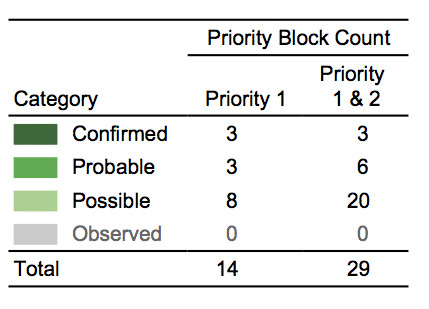
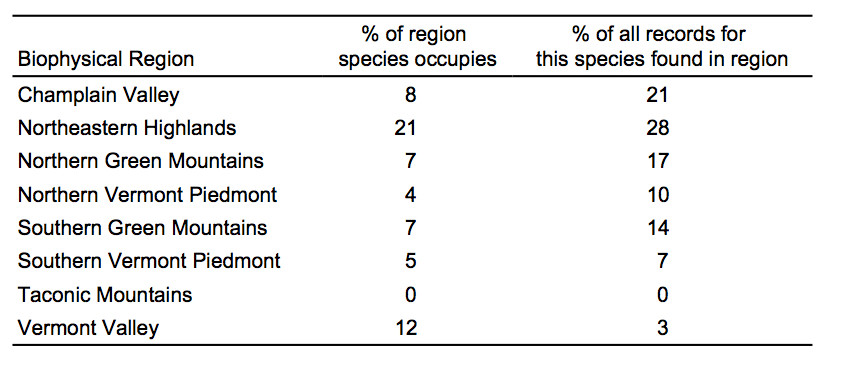
Change in Distribution

Links
Vermont eBird
Encyclopedia of Life
All About Birds