Skip to content
Northern Harrier (Circus cyaneus)
Summary
- Natural history: Northern Harriers were once widely known as ‘marsh hawks,’ recognized by the low, rocking flight they use while hunting over hayfields and marshes, and when food is abundant a male will sometimes support two to five mates and their broods at once, a mating arrangement common among grassland songbirds but very unusual for a raptor. While most Vermont grassland birds declined between the two atlases, Harriers bucked the trend, likely because they favor wetter, unmowable sections of hayfields and marshes that farmers tend to leave undisturbed early in the season. Females, recognizable by their russet-brown plumage, are about half again larger than the gray-backed males.
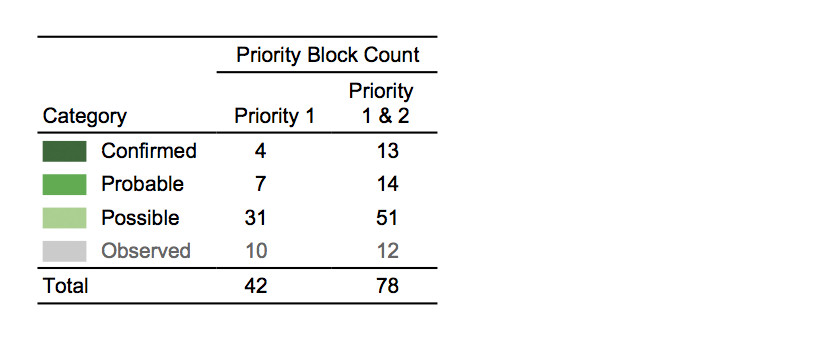
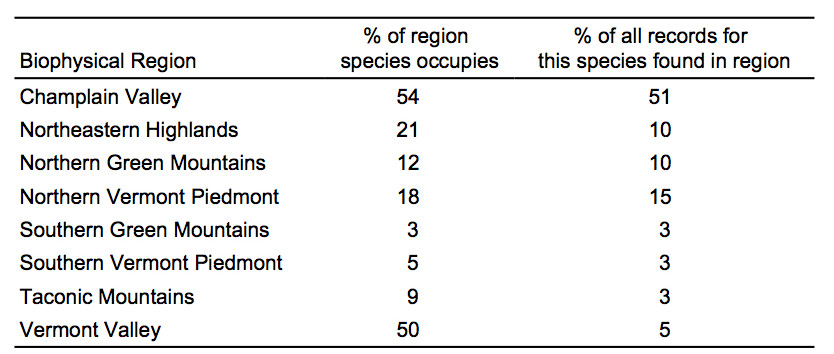
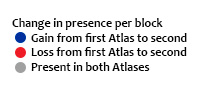
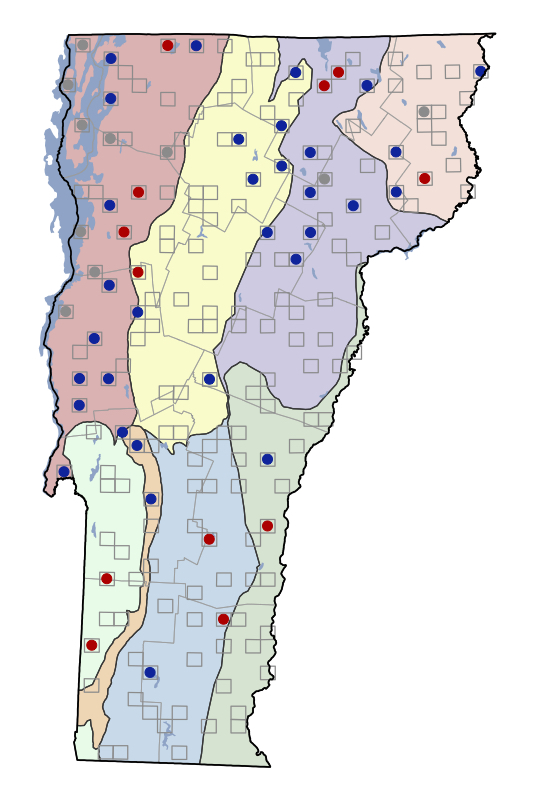
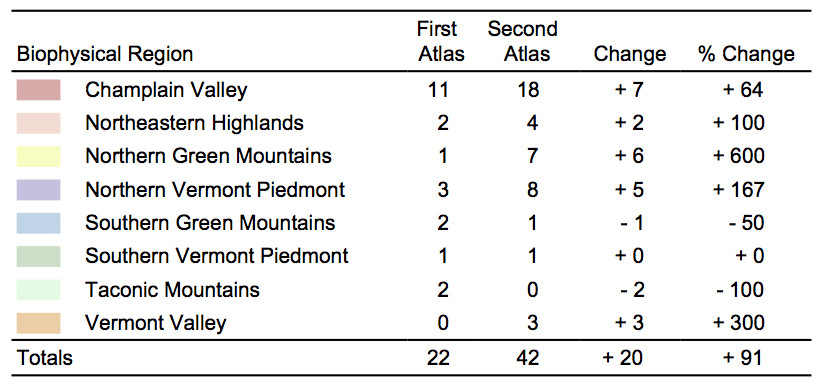
- Status in VT: Increased by 91% (22 to 42 blocks). Greatest increases in Northern Green Mountains and Vermont Valley.
- Data from other research: No additional data for VT.
- Conservation status: State rank S3B; SSC; SGCN-H
- Other atlases: NY: -1%; PA: -40%
- VT’s role in North American range: VT is within the core of the range.
- Causes of change since first Atlas: Unknown. Typical threats remaining range-wide are habitat loss from wetland destruction, grassland development, and conversion to forest.
- Management/Monitoring recommendations: Delay mowing and grazing of wet hayfields, pastures, and wetlands until after 1 August.
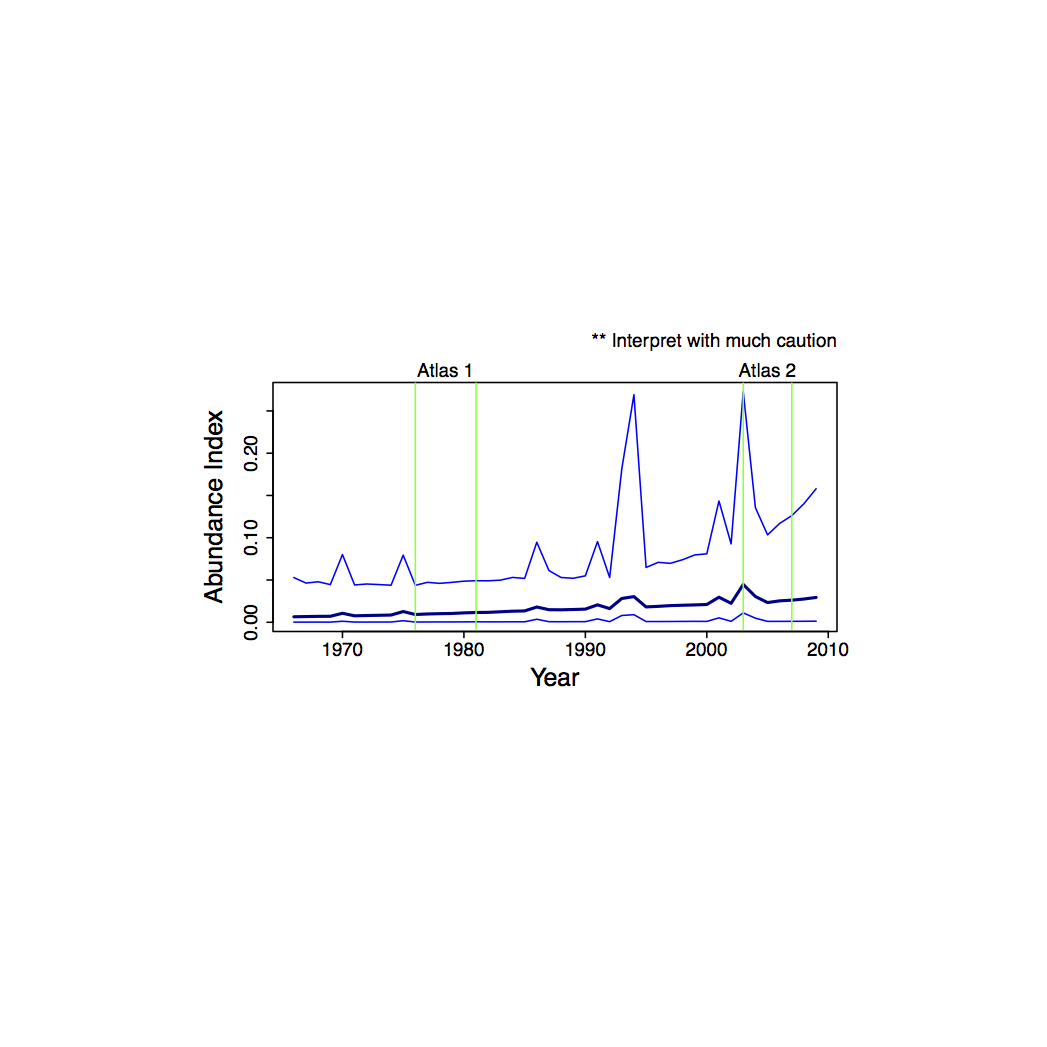
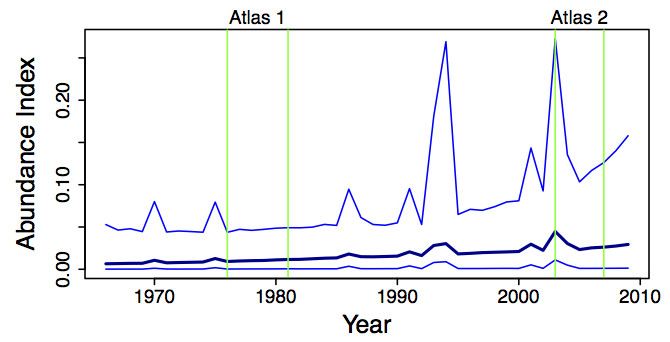
Population Trends
First Vermont Breeding Bird Atlas (1976-1981)
Species Account
Second Vermont Breeding Bird Atlas (2003 – 2007)
Species Account
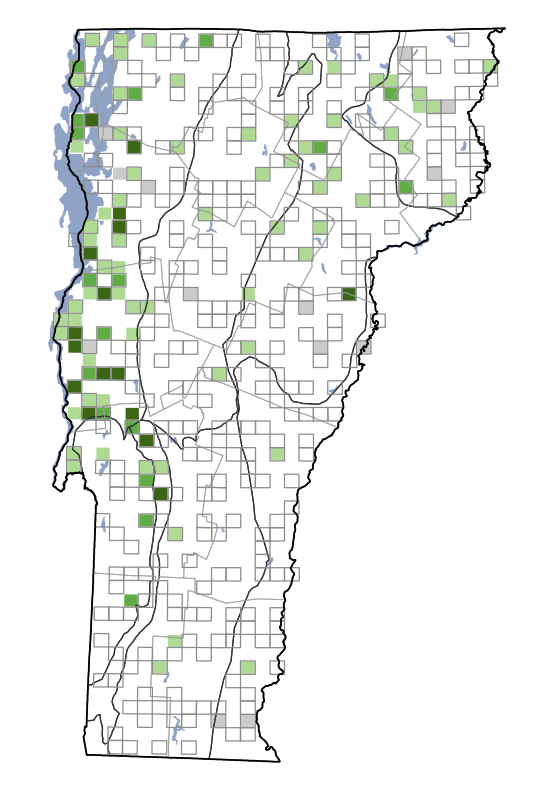
 Change in Distribution
Links
Vermont eBird
Encyclopedia of Life
All About Birds