Summary
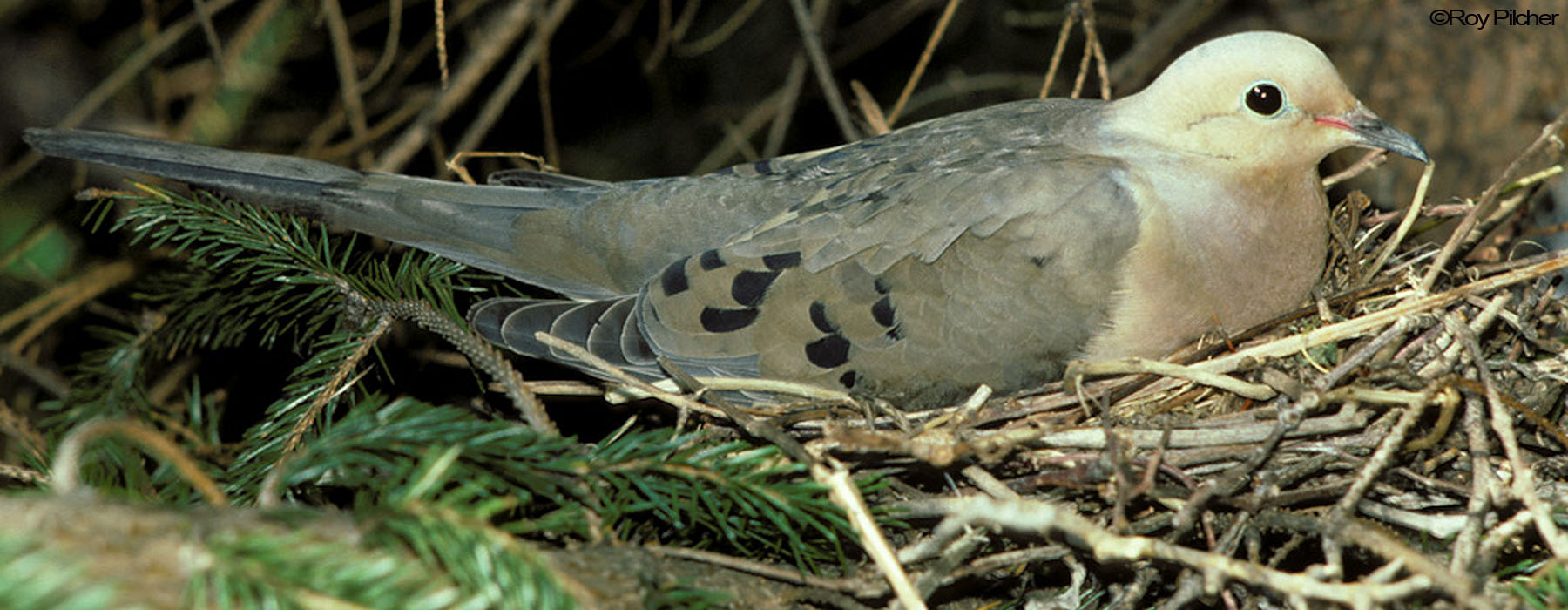
- Natural history: In much of the country the Mourning Dove is a popular game bird, with an estimated 16 million harvested by hunters annually, even though Vermonters generally think of it as just a common backyard songbird. Parents feed nestlings a protein-rich secretion called crop milk, sloughed from the lining of their own throats, fueling a breeding season productive enough that a single pair may raise three or more broods before fall. Mourning Doves were once considered an uncommon sight in Vermont come winter, but Christmas Bird Count records show them becoming a fixture of the cold season here since the mid-1900s, part of a broader spread of the species northward through New England and Canada in recent decades.
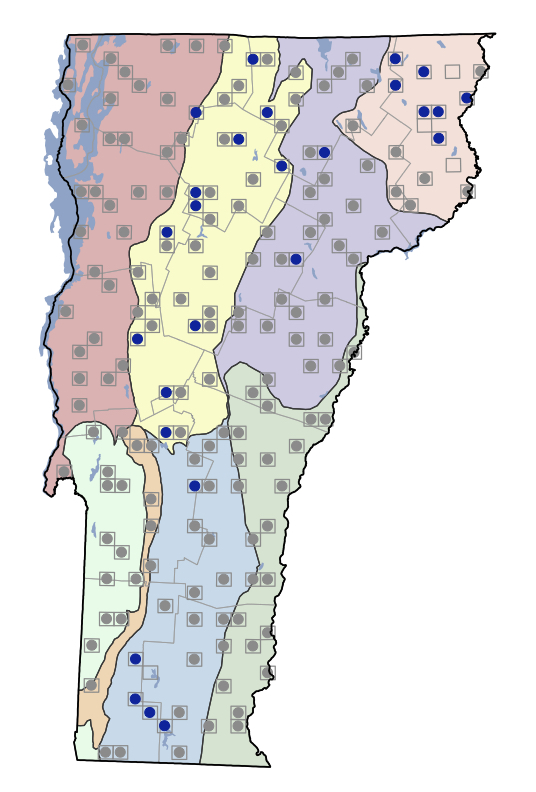
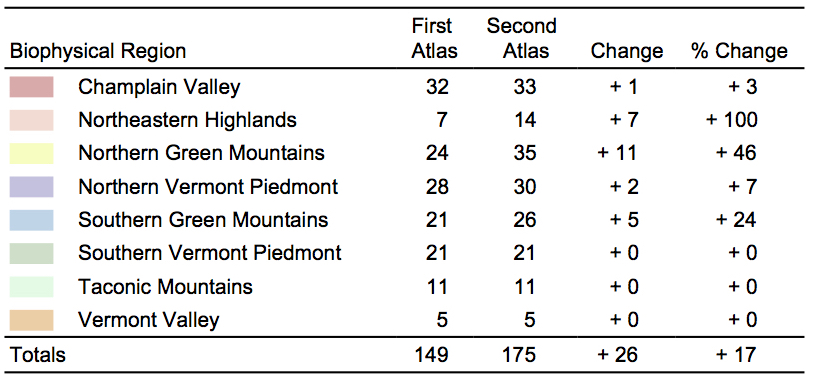
- Status in VT: Increased by 17% (149 to 175 blocks). Greatest increase in Northeastern Highlands.
- Data from other research: No additional data for VT.
- Conservation status: State rank S4B; S5N
- Other atlases: NY: 9%; PA: 7%; MD: 2%; ON (Southern Shield): 71%
- VT’s role in North American range: VT is within the core of the range.
- Causes of change since first Atlas: Increase in ON attributed to milder winters and more bird feeders.
- Management/Monitoring recommendations: No current recommendations.
Population Trends

First Vermont Breeding Bird Atlas (1976-1981)
Second Vermont Breeding Bird Atlas (2003 – 2007)


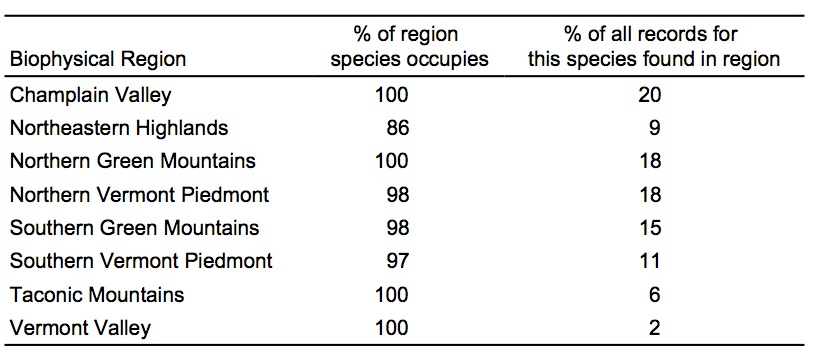
Change in Distribution