Summary
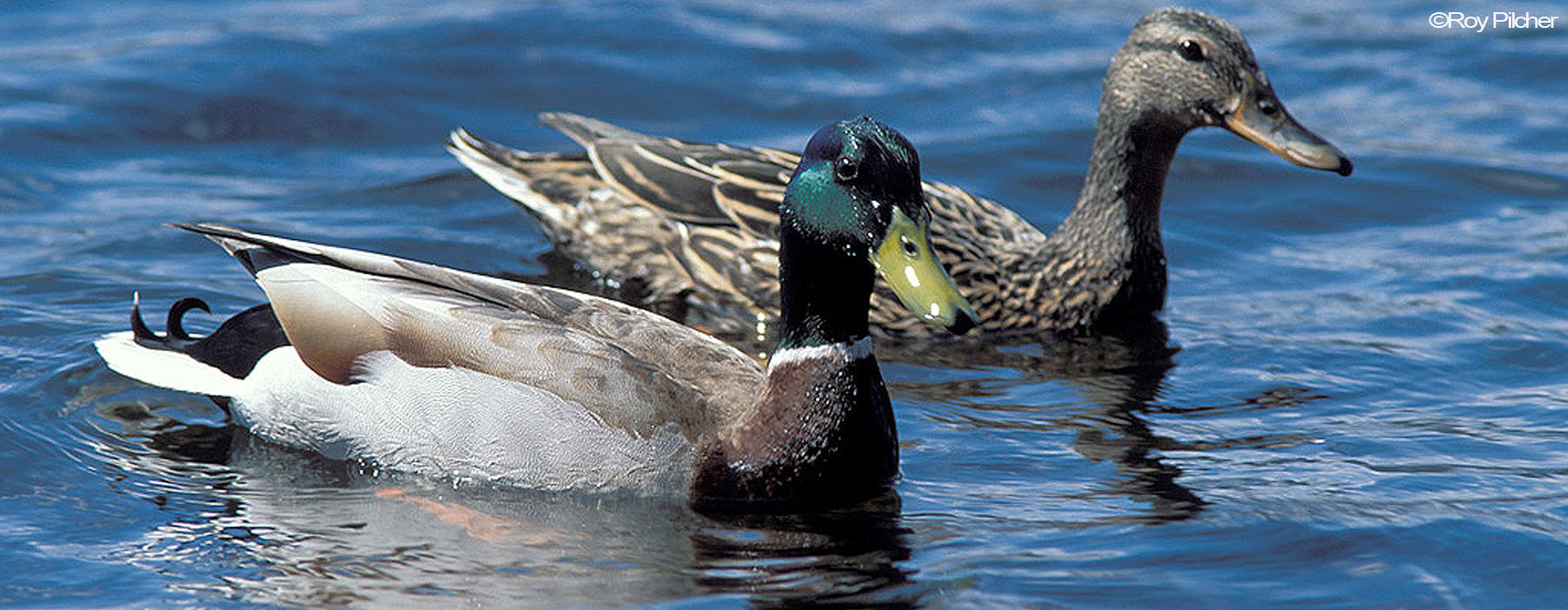
- Natural history: The Mallard’s stronghold was once the central and western half of the continent, and much of its modern foothold in the Northeast traces back to state-sponsored stocking programs begun in the early 1900s to create hunting opportunities. With a continental population of roughly 7.7 million, about 30 percent larger than the Canada Goose’s, and an ability to nest almost anywhere near water, from remote boreal bogs to lakeside lawns in Burlington, the Mallard has become one of the most intensively studied birds in North America.
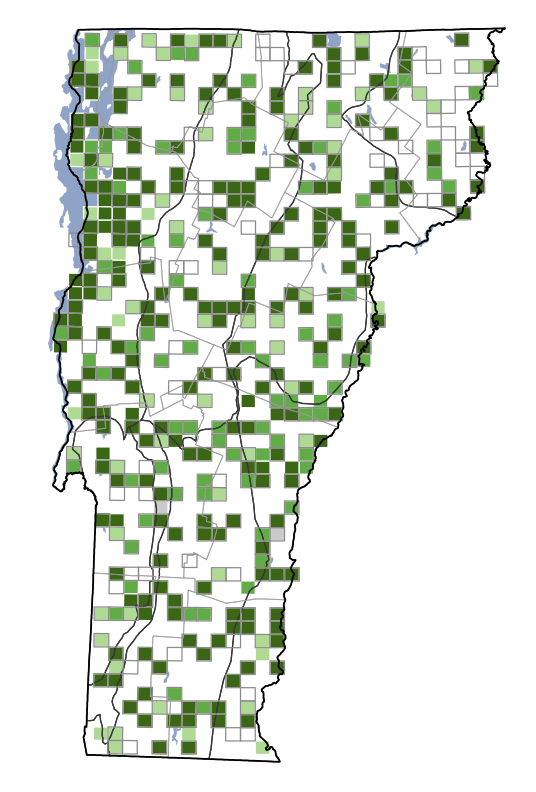
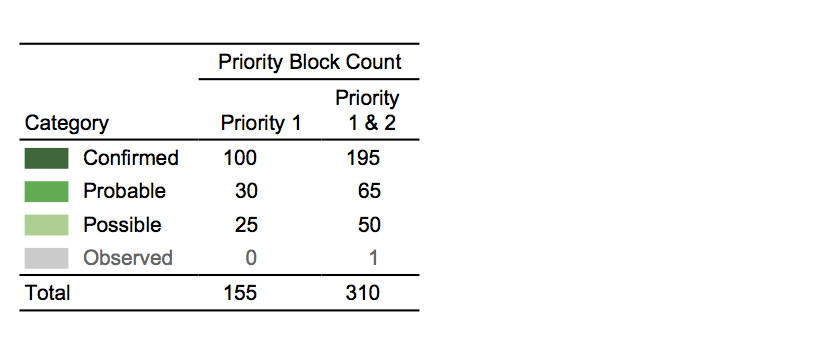
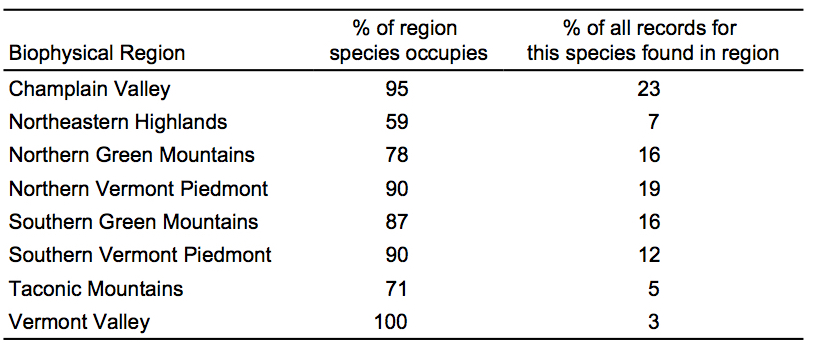
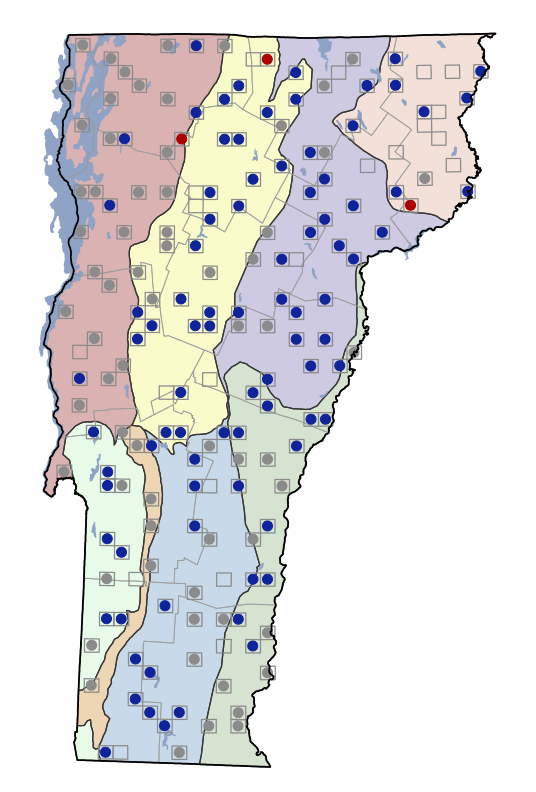
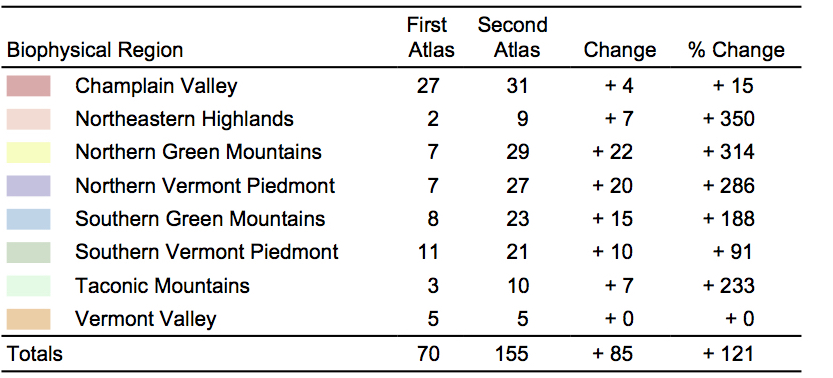
- Status in VT: Increased by 121% (70 to 155 blocks). Greatest increases in Northeastern Highlands and Northern Green Mountains. Expanded distribution into northeastern VT.
- Data from other research: No additional data for VT.
- Conservation status: State rank S4B; S5N
- Other atlases: NY: 27%; PA: 5%; MD: 14%; ON: 16%
- VT’s role in North American range: VT is within the core of the range.
- Causes of change since first Atlas: Diverse diet, habitat generalist; still expanding from past supplemental feeding, releases, and agricultural expansion.
- Management/Monitoring recommendations: No current recommendations.
First Vermont Breeding Bird Atlas (1976-1981)
Second Vermont Breeding Bird Atlas (2003 – 2007)
Change in Distribution

Links