Summary
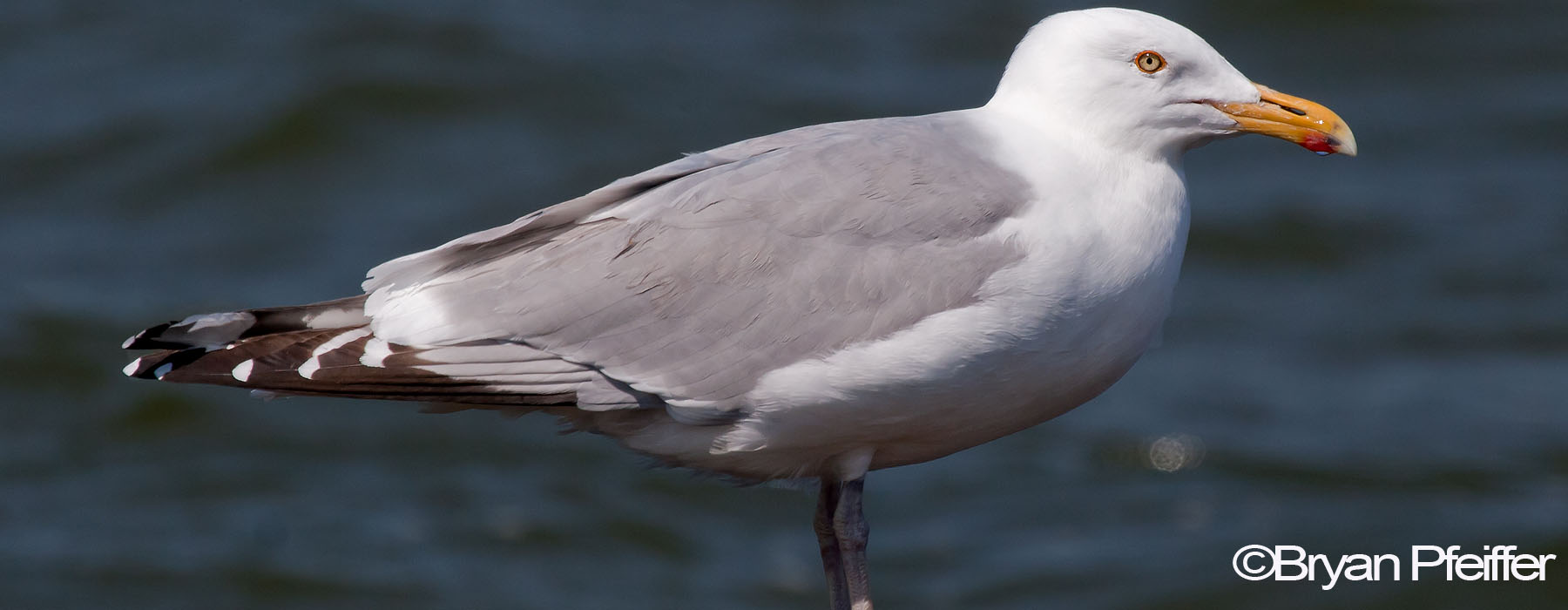
- Natural history: Herring Gulls have nested on Lake Champlain’s islands since at least the mid-1800s, an unusually long and continuous run for a Vermont breeding bird, yet the population has stayed remarkably small, rarely topping a few hundred pairs even after a century and a half. Despite a reputation as a landfill scavenger, Herring Gulls nesting here rely mainly on natural foods during breeding season, including dead fish and the eggs and chicks of other birds in the crowded colonies where they nest alongside Ring-billed Gulls. Gull numbers have fallen across the wider Great Lakes region as landfill management has improved, but the species remains widespread enough that biologists still consider it a low conservation concern in the Champlain Valley.
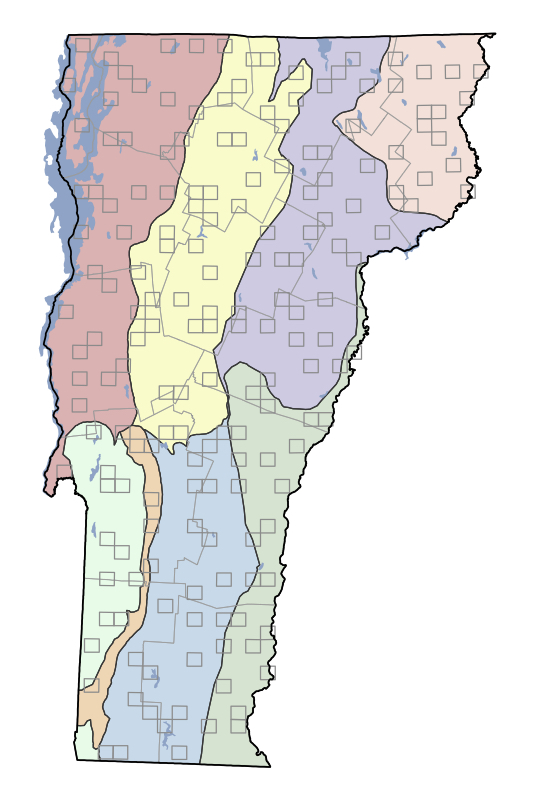
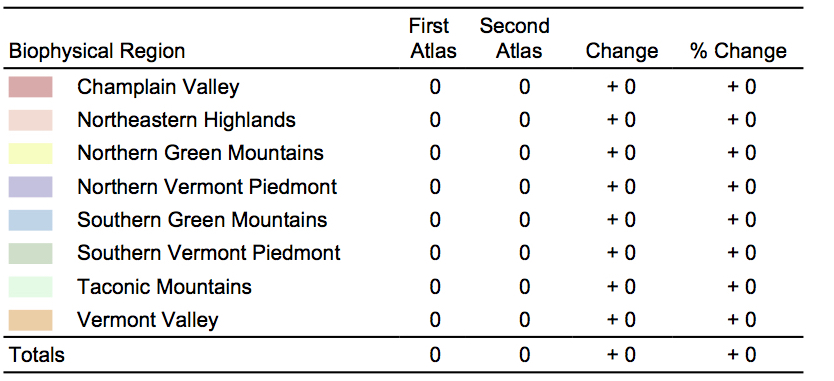
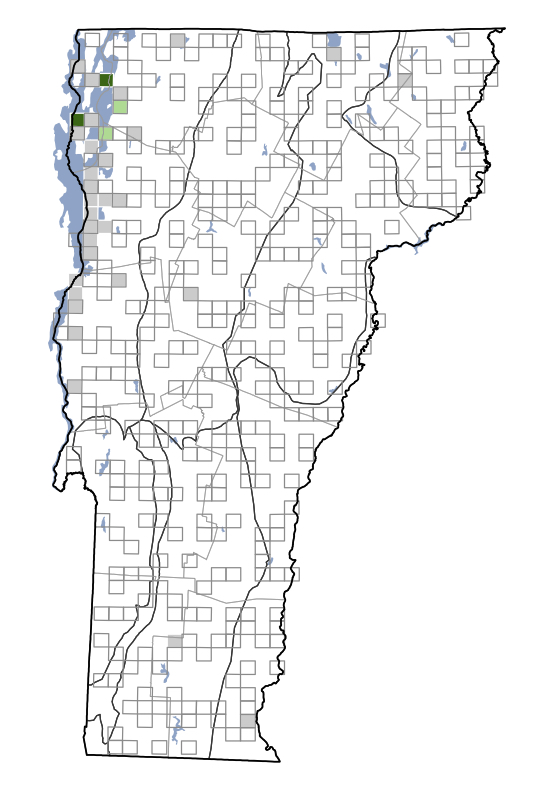
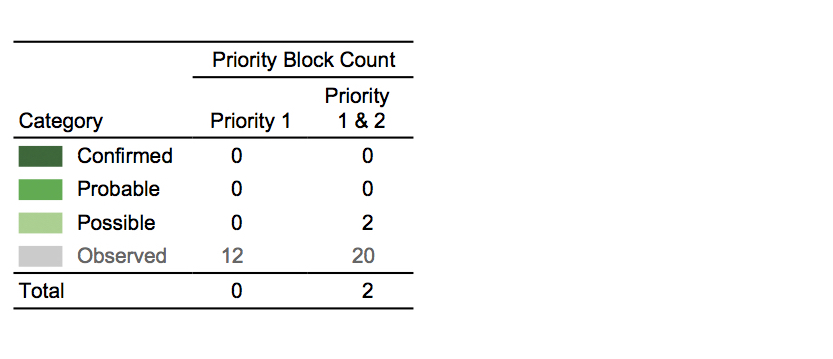
- Status in VT: No change. First breeding records in mid-1800s with nesting population from 200-300 breeding pairs until the mid-1960s. During first Atlas, population may have dipped below 100 pairs on Young Island. During second Atlas, 150 nests on Young Island (2007) and a single nest on Popasquash Island (2004).
- Data from other research: No additional data for VT.
- Conservation status: State rank S1B; S5N
- Other atlases: NY: -13%; PA: 58%
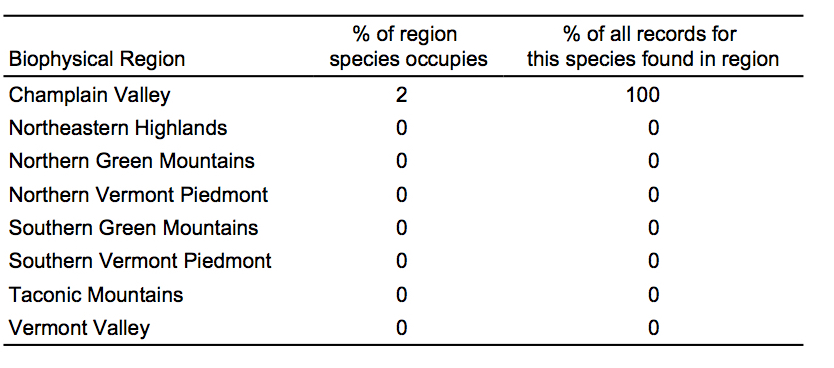
- VT’s role in North American range:Champlain Islands are a part of breeding range.
- Causes of change since first Atlas: No change.
- Management/Monitoring recommendations:No current recommendations.
First Vermont Breeding Bird Atlas (1976-1981)
Second Vermont Breeding Bird Atlas (2003 – 2007)
Change in Distribution