Summary
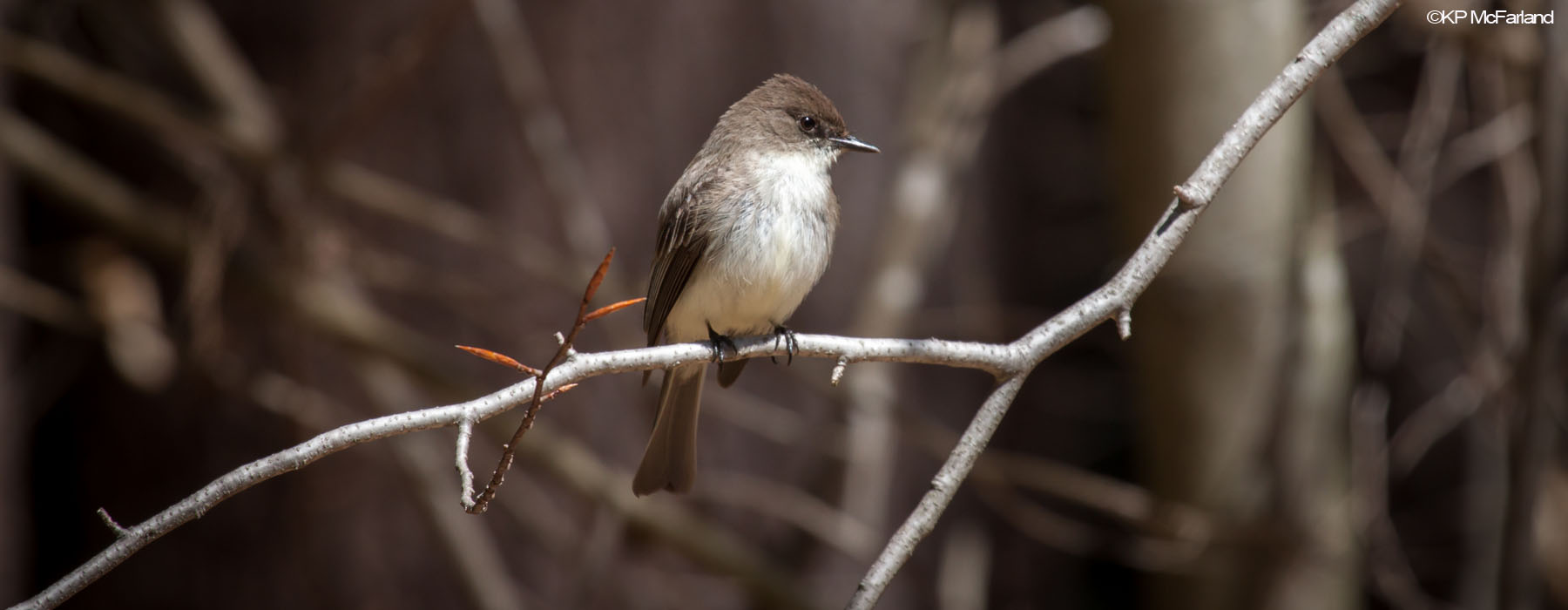
- Natural history: Among Vermont’s flycatchers, the Eastern Phoebe shows the greatest cold tolerance, arriving earliest each spring and lingering latest into fall, possibly because tucking into a sheltered nook to roost helps it conserve heat through chilly nights. The species leans heavily on human structures for nesting, favoring eaves, barn rafters, and bridge undersides over natural rock ledges, a shift that likely helped phoebes spread west across the once-treeless Great Plains as settlers built bridges there. Vermont’s population fell sharply between 1966 and 1981 and has not fully recovered since, a lasting dip researchers link to fewer old barns and sheds available for nesting rather than to any single harsh winter.
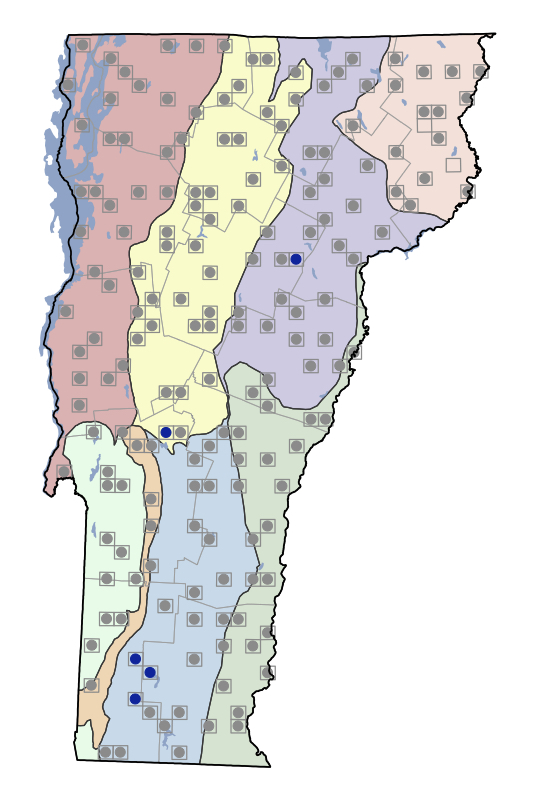
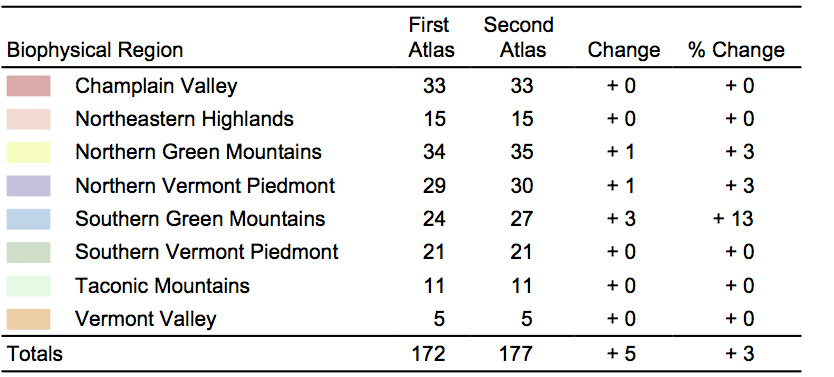
- Status in VT: Increased by 3% (172 to 177 blocks). Greatest increase in Southern Green Mountains.
- Data from other research: No additional data for VT.
- Conservation status: State rank S5B
- Other atlases: MD, NY, ON, PA: all showed increases
- VT’s role in North American range: VT is within the core of the range.
- Causes of change since first Atlas: Minimal change; BBS data suggest that population has not recovered from pre-1982 declines because of loss of nesting sites (fewer outbuildings; changes in architecture; changes in culvert design).
- Management/Monitoring recommendations:No specific recommendations.
Population Trends
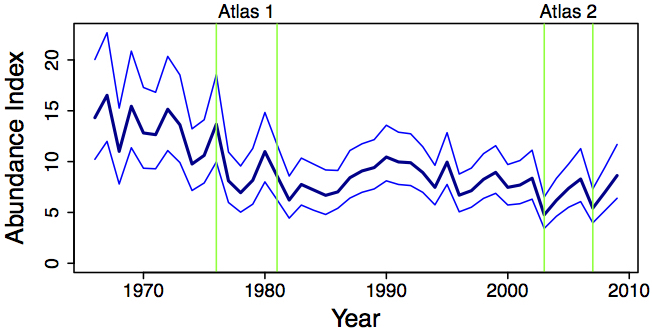
First Vermont Breeding Bird Atlas (1976-1981)
Second Vermont Breeding Bird Atlas (2003 – 2007)
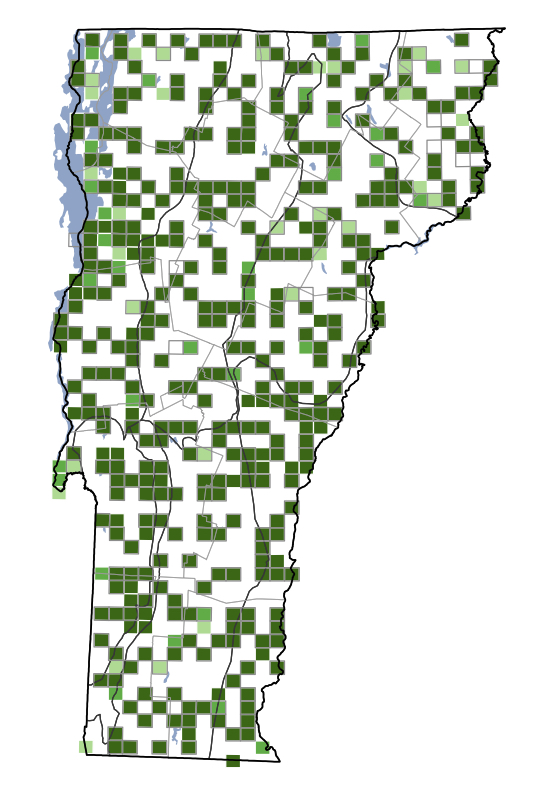
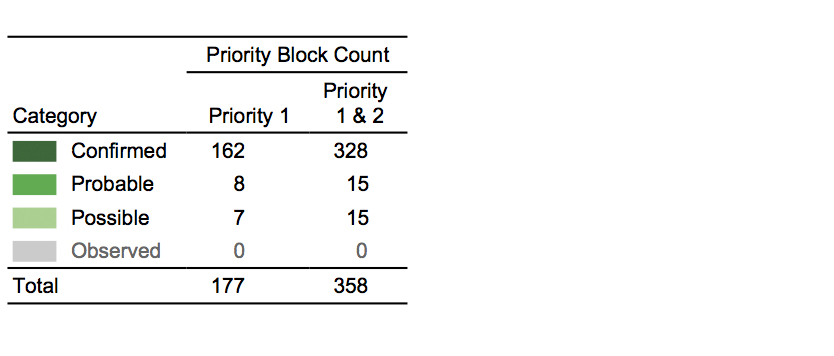
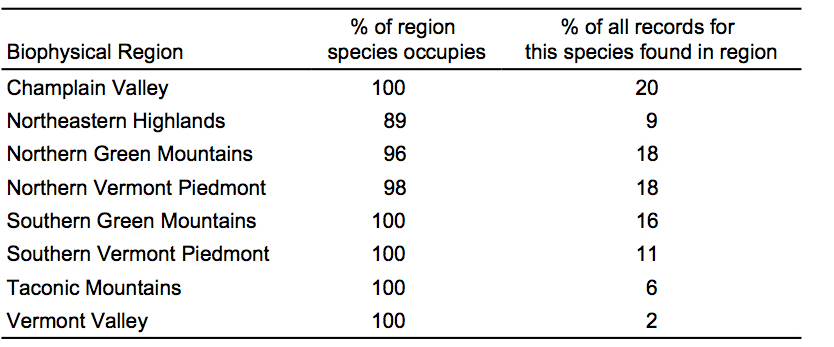
Change in Distribution