Summary
- Natural history: Cooper’s Hawks were common Vermont breeders in the 1800s but crashed by the mid-1900s under the weight of DDT contamination, then rebounded so strongly after the pesticide ban that occupied blocks more than tripled between the two atlases. Males perform an elaborate courtship display, gliding with wings held in a shallow V and tail feathers flared, alternating with slow, exaggerated wingbeats, before building a nest high in a mature tree. Unlike many forest hawks, Cooper’s Hawks tolerate fragmented woodlands and readily nest in hedgerows and small suburban woodlots, a flexibility that has let the species thrive even in cities and should keep supporting its population well into the future.
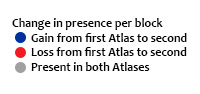
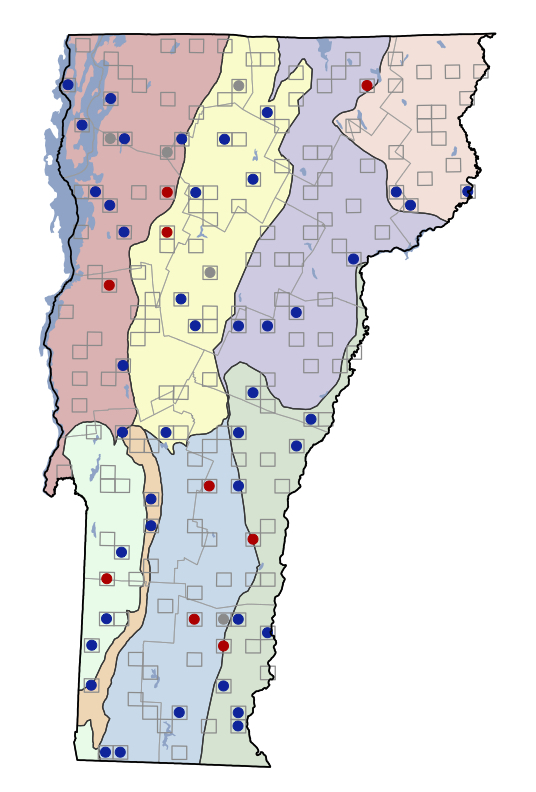
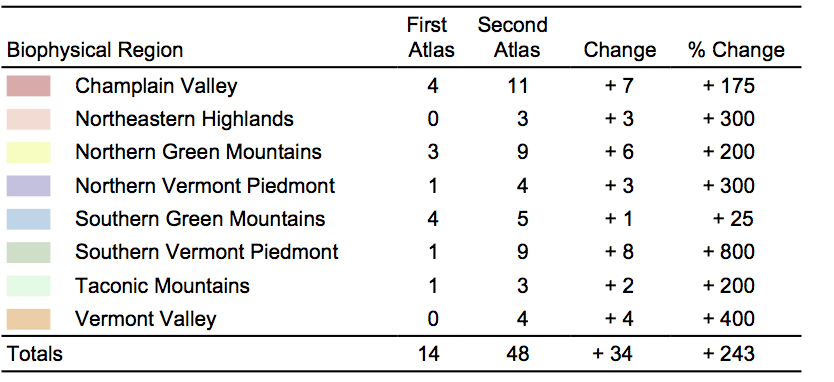
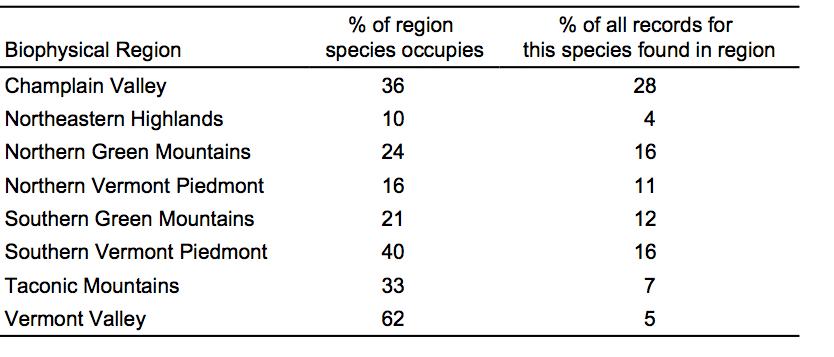
- Status in VT: Increased by 243% (14 to 48 blocks). Greatest increase in Southern Vermont Piedmont.
- Data from other research: No additional data for VT.
- Conservation status: State rank S3B; S3N; SGCN-M
- Other atlases: NY: 146%; PA: 46%; MD: 226%; ON: tenfold increase in southern portions of the province.
- VT’s role in North American range: VT is in the northeastern portion of the range.
- Causes of change since first Atlas: Ban on the use of DDT; adaptability to urban environments.
- Management/Monitoring recommendations:No current recommendations.
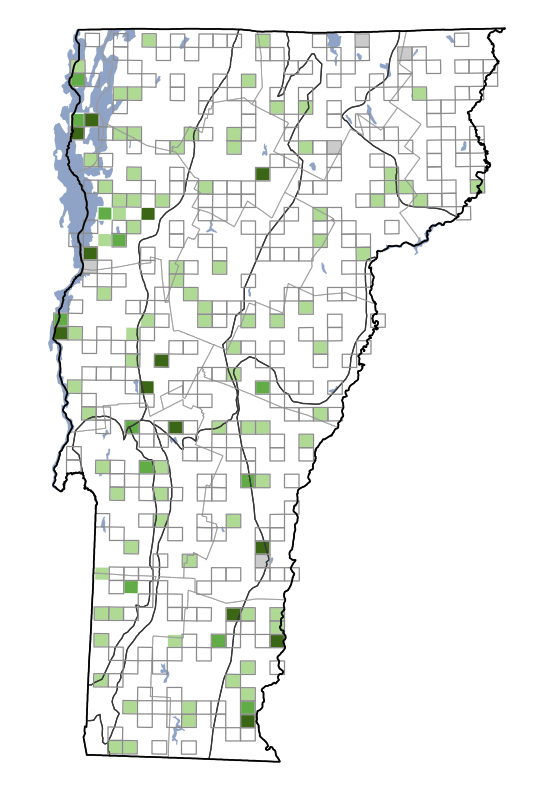
First Vermont Breeding Bird Atlas (1976-1981)
Second Vermont Breeding Bird Atlas (2003 – 2007)

Change in Distribution