Summary
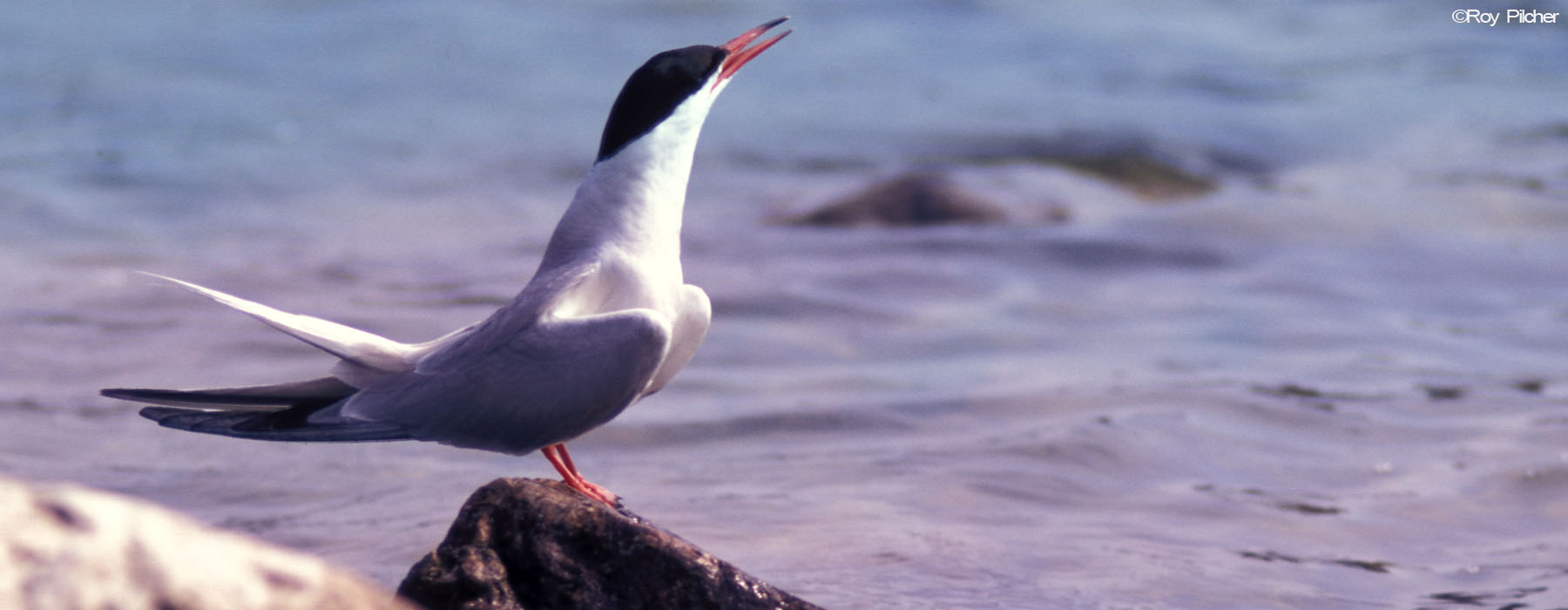
- Natural history: Common Terns nest only on a handful of small, mostly bare islands in Lake Champlain, competing with Ring-billed Gulls and Double-crested Cormorants for the same limited real estate. After the population crashed to just 50 breeding pairs by 1988 and the species was listed as endangered in Vermont, biologists with the Vermont Common Tern Recovery Project began controlling competing birds and luring terns back to historic colony sites using decoys and recorded calls, a method known as social attraction. That hands-on management has since roughly tripled the population toward a recovery goal of 300 pairs, though Great Horned Owls continue to pick off nesting adults and chicks.
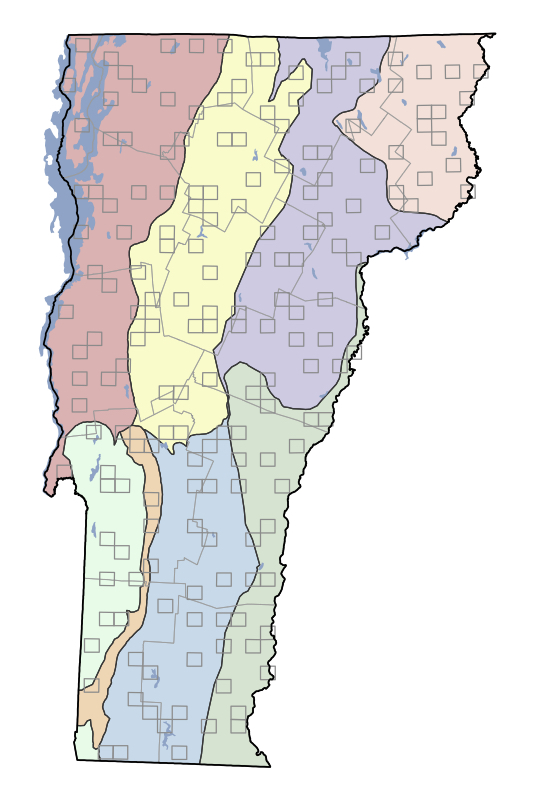
- Status in VT: Minimal distribution change. Population increase in northeastern arm of Lake Champlain.
- Data from other research: No additional data for VT.
- Conservation status: State rank S1B; E; SGCN-H
- Other atlases: NY: -1%; PA: -50%; MD: 7%
- VT’s role in North American range: VT is within (but is a very small part of) the breeding range.
- Causes of change since first Atlas: Intensive management and recovery efforts: limiting human disturbance by posting and acquiring nesting islands; controlling gull and cormorant populations; using decoys and broadcasting vocalizations to attract terns to traditional nesting locations; protecting nests and chicks from predators.
- Management/Monitoring recommendations: Continue management and recovery efforts listed above.
First Vermont Breeding Bird Atlas (1976-1981)
Second Vermont Breeding Bird Atlas (2003 – 2007)
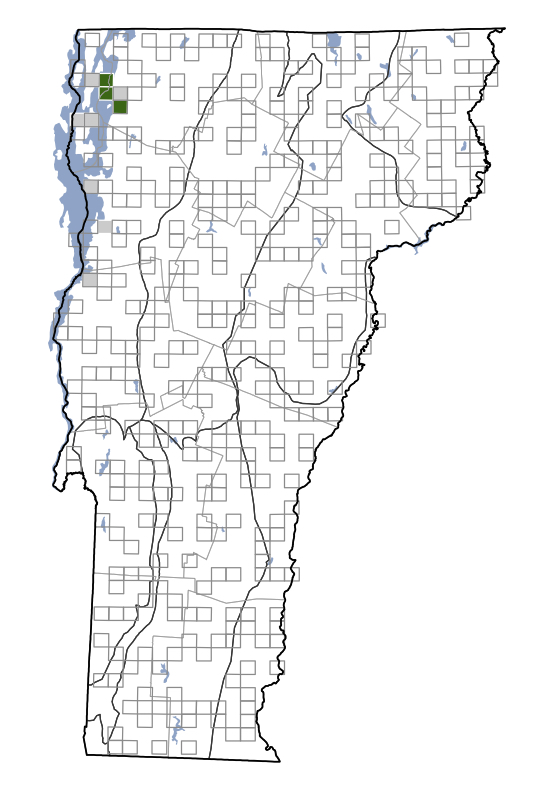

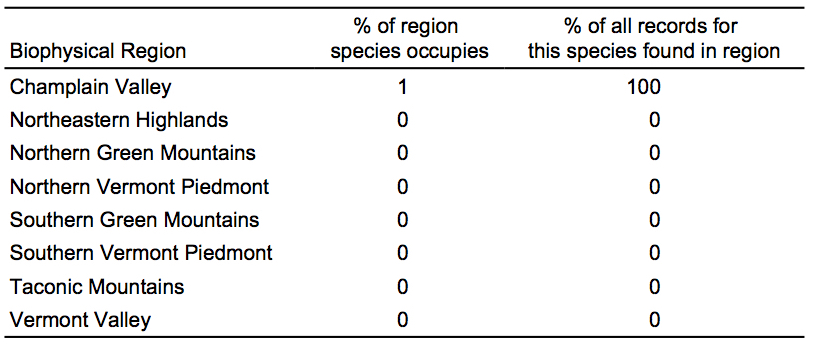
Change in Distribution