Summary
- Natural history: Broad-winged Hawks live a double life: spectacularly gregarious on migration, when as many as tens of thousands can funnel past watch points in Pennsylvania, Texas, and Veracruz, Mexico, they become quiet, solitary, and easily overlooked once they settle into Vermont’s forests to breed each spring. An opportunistic hunter, this small forest buteo will perch motionless at a woodland edge waiting to snatch chipmunks, mice, snakes, or toads, and it typically builds its nest in the crotch of a birch or other deciduous tree, a project that can take a month to finish. Because it depends on large blocks of unbroken forest, the species is scarcest in the open, agricultural Champlain Valley, and conservationists worry more about habitat loss and pesticide exposure on its Central and South American wintering grounds than about threats within Vermont.
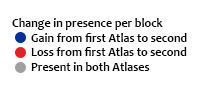
- Status in VT: Increased by 9% (126 to 137 blocks). Greatest increase in Northern Green Mountains.
- Data from other research: No additional data for VT.
- Conservation status: State rank S4B
- Other atlases: NY: 1%; PA: -16%; MD: -45%
- VT’s role in North American range: VT is within the core of the range.
- Causes of change since first Atlas: Unknown. Potential threats: habitat loss, shooting, and use of pesticides on wintering grounds. Urbanization and home development resulting in loss of forest tracts in Vermont.
- Management/Monitoring recommendations:No current recommendations.
Population Trends

First Vermont Breeding Bird Atlas (1976-1981)
Second Vermont Breeding Bird Atlas (2003 – 2007)


Change in Distribution


Links