Summary
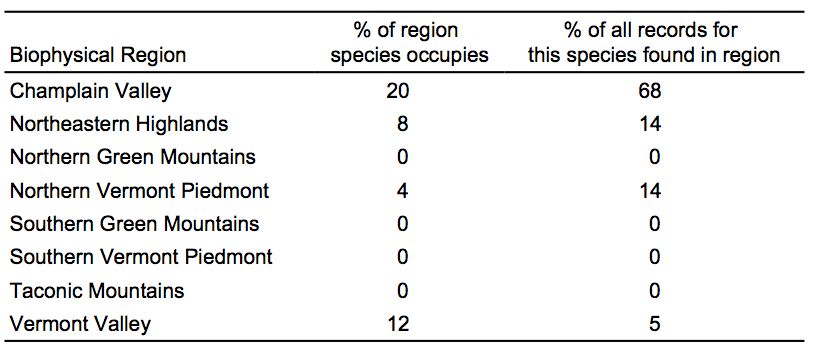
- Natural history: Most Blue-winged Teal abandon the United States entirely each winter, retreating as far as South America and the Caribbean, a trait shared by few other prairie-nesting ducks and one that may explain why they are the final duck of the season to begin nesting in Vermont, typically not before early-to-mid May. The state’s Champlain Valley stronghold has likely lost nesting habitat as farms swapped hayfields and pasture for corn and soybean row crops, and as earlier mowing schedules destroy nests hidden in the grass before chicks can fledge.
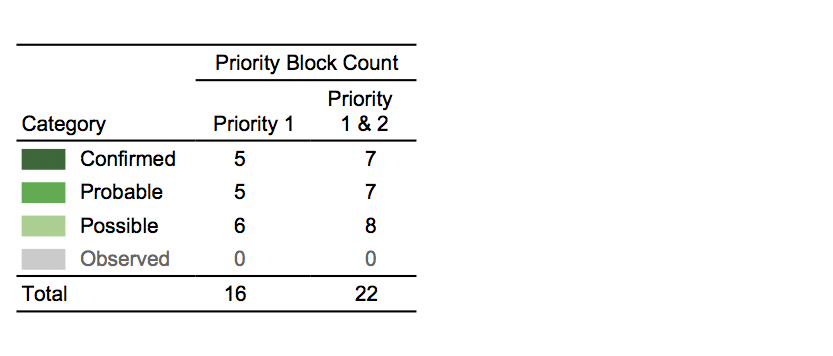
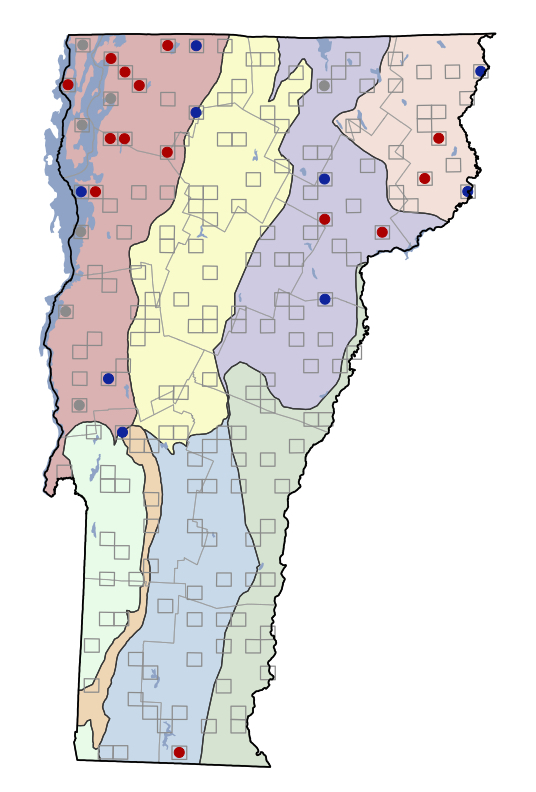
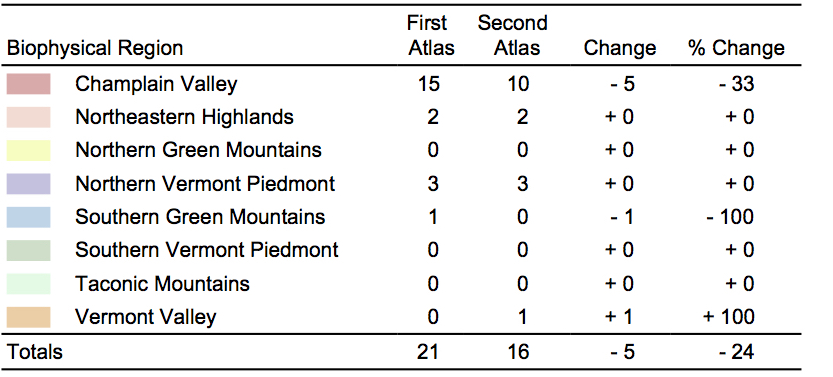
- Status in VT: Decreased by 21% (21 to 16 blocks). Greatest losses occurred in the Champlain Valley.
- Data from other research: No additional data in VT.
- Conservation status: State rank S2B; SSC;SGCN-M
- Other Atlases: NY: -63%; PA: -66%; MD: -68%; ON: -36%
- Vermont’s role in North American range:VT is within the core of the range.
- Causes of change since first Atlas: Loss of nesting habitat due to farm abandonment and the replacement of pasture/hay with row crops such as corn and soybeans; reduced productivity due to earlier mowing of agricultural fields.
- Management/Monitoring recommendations: Protect and encourage delayed mowing of grasslands adjacent to emergent wetlands.
First Vermont Breeding Bird Atlas (1976-1981)
Second Vermont Breeding Bird Atlas (2003 – 2007)
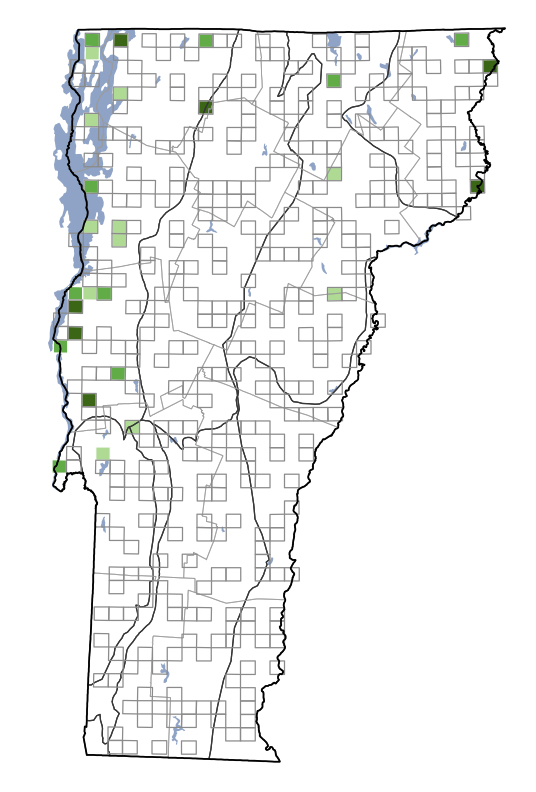
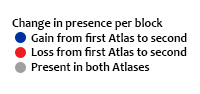
Change in Distribution
Links