Summary
- Natural history: Like its yellow-billed cousin, the Black-billed Cuckoo times its arrival and nesting to local outbreaks of hairy caterpillars that most other birds refuse to eat, and its wandering, food-driven movements make it one of the harder species to track reliably from year to year. Nests are famously makeshift, sometimes barely more than a loose platform of twigs, and clutches can occasionally swell to 11 eggs when a female lays extras in another cuckoo’s nest, a form of parasitism among its own kind. The species is now a conservation priority in Vermont amid a broader decline across the Northeast’s forests, and biologists suspect that scaling back pesticide spraying during caterpillar outbreaks on breeding grounds could help reverse the trend.
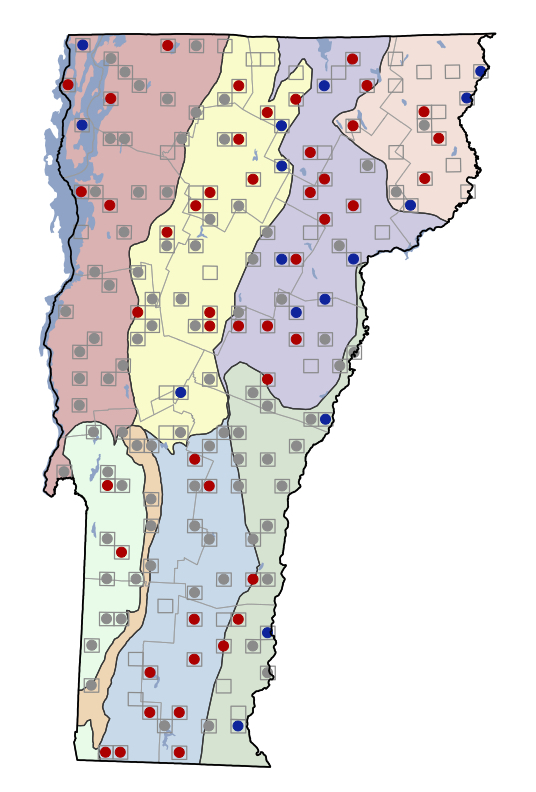
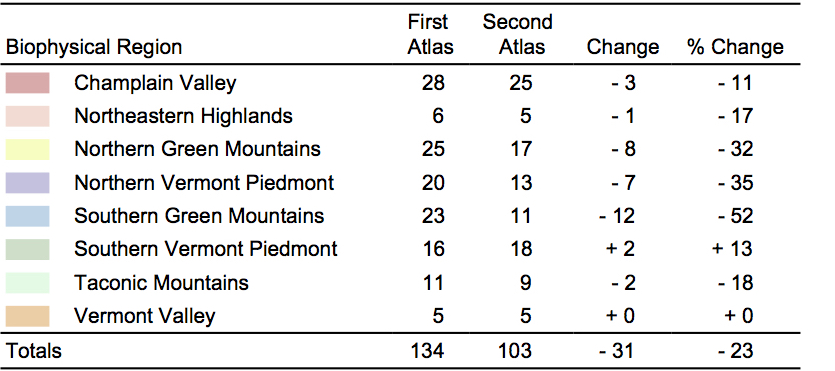
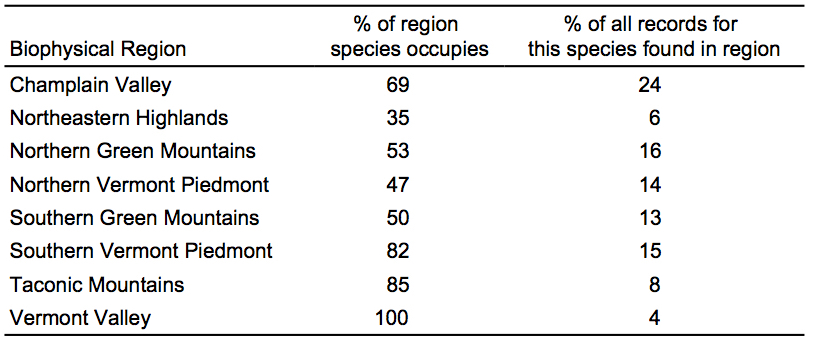
- Status in VT: Decreased by 23% (134 to 103 blocks). Greatest decrease in Southern Green Mountains.
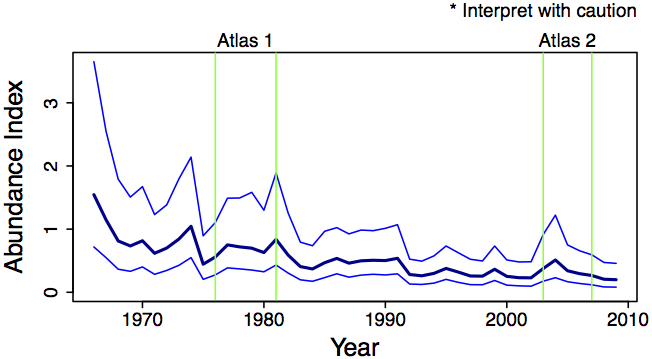
- Data from other research: FBMP: no sig. trend
- Conservation status: State rank S5B; SGCN-M
- Other atlases: NY: 4%; PA: -6%; MD: -33%; ON: 26%
- VT’s role in North American range: VT is within the core of the range.
- Causes of change since first Atlas: Forest fragmentation (?); regrowth of farmlands to forest (?).
- Management/Monitoring recommendations:Reduction in use of pesticides on insect outbreaks in breeding grounds.
Population Trends
First Vermont Breeding Bird Atlas (1976-1981)
Second Vermont Breeding Bird Atlas (2003 – 2007)
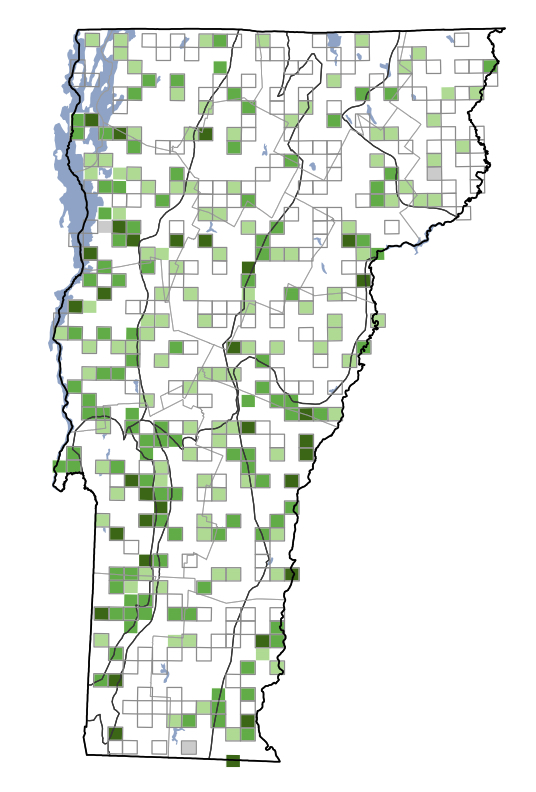
Change in Distribution