Summary
- Natural history: The Barn Owl is among the most widespread owls on the planet, absent only from the coldest regions, yet its core North American range stops well south of New England, reaching Vermont only through a narrow arm of habitat along the Champlain Valley. The species was first confirmed breeding in the state in 1976 in an abandoned chimney in Addison, but sightings have since dwindled to only a handful of records over the past 25 years, partly because strictly nocturnal Barn Owls rarely vocalize and are easy to miss even when nesting nearby. Vermont’s reforestation, which turned a landscape that was nearly 80 percent open farmland a century ago into one that is now mostly wooded, is suspected of costing the Barn Owl both open hunting ground and the barns and silos it depends on for nest sites, even as volunteer-built nest boxes have coaxed a few pairs back to Addison County in recent years.
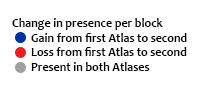
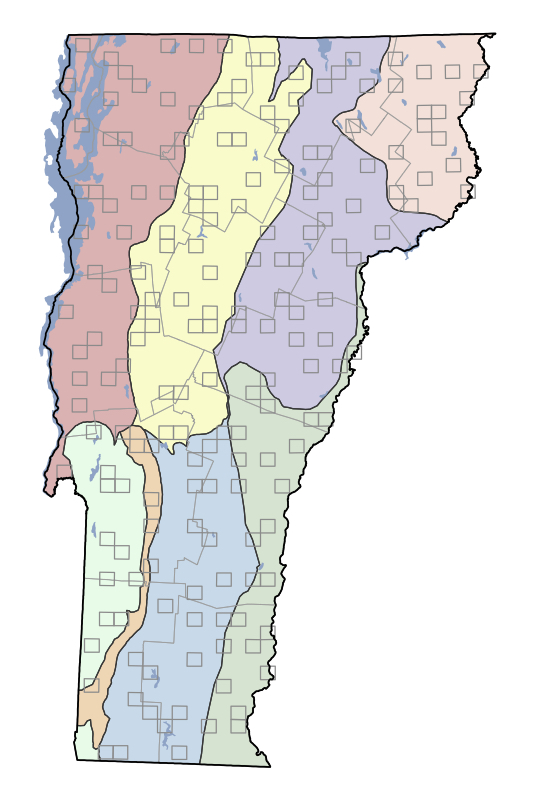
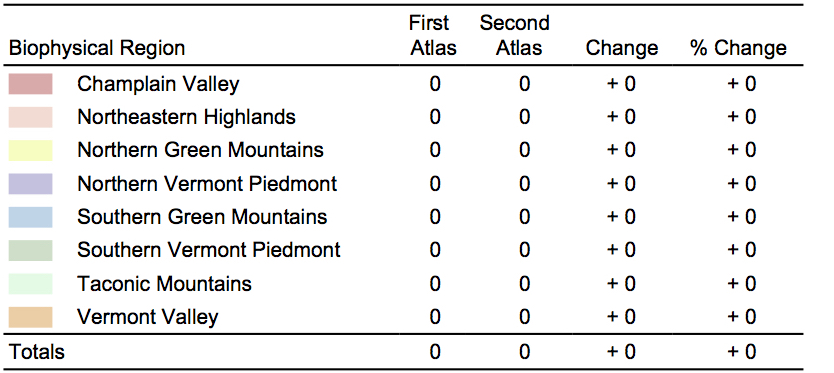
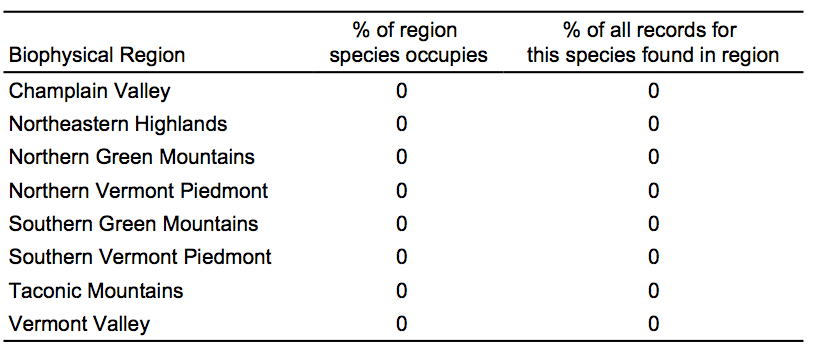
- Status in VT: No change. Four observations reported from 1985 through 2010; all in Champlain Valley. In 2011, 4 nest boxes found occupied; one with 3 chicks, one with 2 unhatched eggs.
- Data from other research: No additional data for VT.
- Conservation status: State rank
- Other atlases: NY: -78%; PA: -54%; ON: no change
- VT’s role in North American range: VT is disjunct from the core of the range.
- Causes of change since first Atlas: No change. Regional decline due to: disappearance of barns and silos; increase in forested area; loss of open grassland and agricultural land needed for foraging; vehicle collision.
- Management/Monitoring recommendations: Use of nest boxes and more intensive monitoring recommended in Champlain Valley.
First Vermont Breeding Bird Atlas (1976-1981)
Second Vermont Breeding Bird Atlas (2003 – 2007)

Change in Distribution