Summary
- Natural history: Despite its modest looks, the Bank Swallow is one of the most widespread birds on Earth, breeding on every continent except Australia and Antarctica, and in Vermont it survives by excavating burrow colonies into raw, eroding sand exposed along rivers, in gravel pits, and at construction sites. Because a colony depends on that erosion staying active, sites often disappear within a few years once a quarry closes and vegetation takes hold, one reason the species has joined a broader recent decline among birds that feed on flying insects.
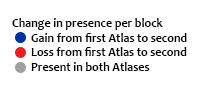
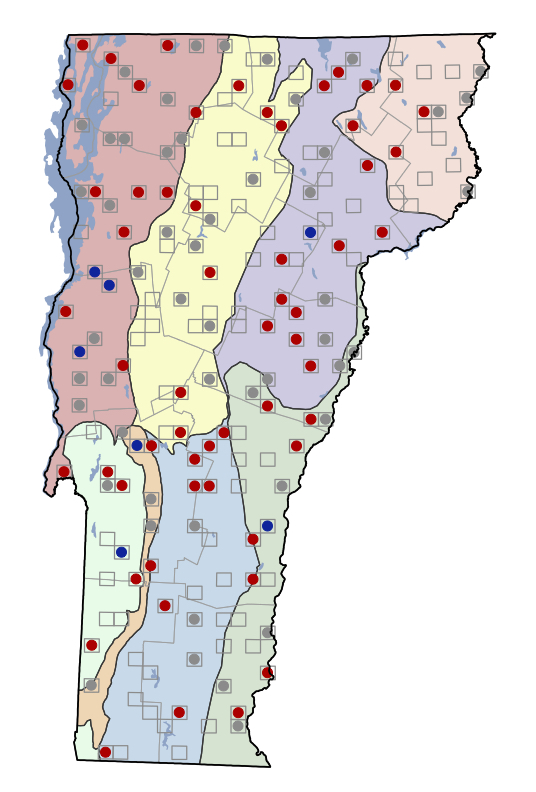
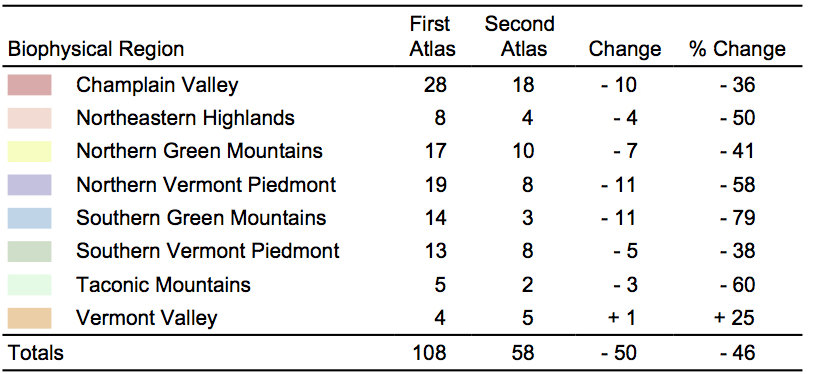
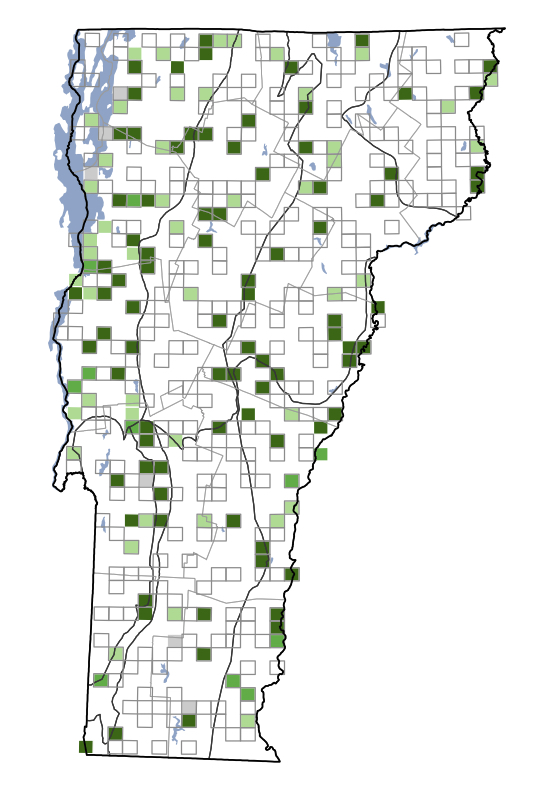
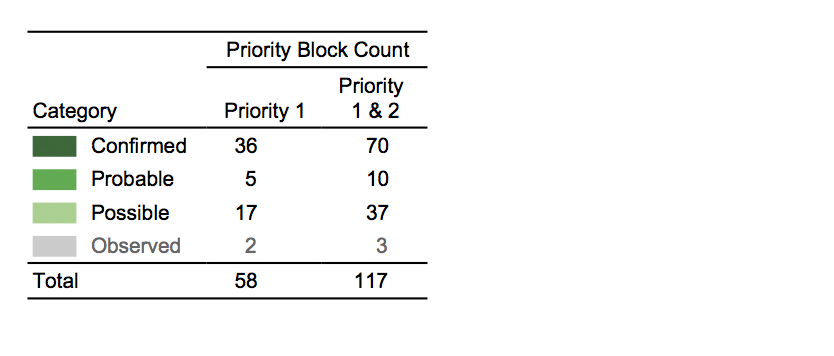
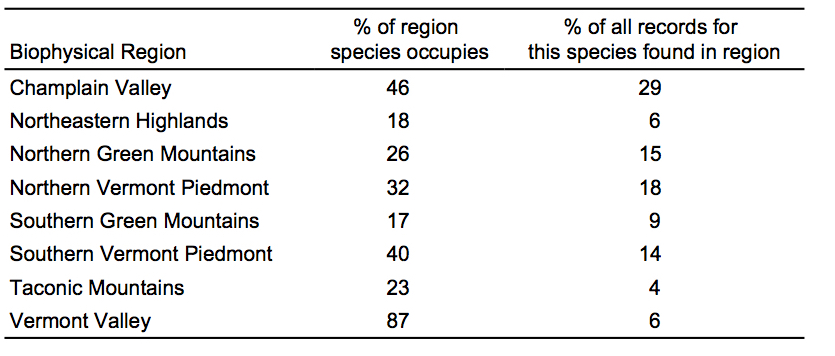
- Status in VT: Decreased by 46% (108 to 58 blocks). Greatest decrease in Southern Green Mountains.
- Data from other research: No additional data for VT.
- Conservation status: State rank S4B
- Other atlases: NY: -28%; PA: -35%; ON: -45%
- VT’s role in North American range: VT is within the core of the range.
- Causes of change since first Atlas: Loss of available habitat due to erosion control initiatives; loss of insect prey availability; climatic factors on wintering grounds.
- Management/Monitoring recommendations:Protection of established colonies and available habitat; study assessing the suitability of anthropogenic and natural habitats.
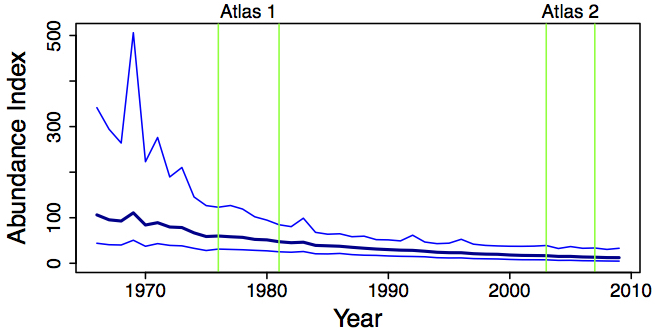
Population Trends
First Vermont Breeding Bird Atlas (1976-1981)
Second Vermont Breeding Bird Atlas (2003 – 2007)
Change in Distribution