Summary
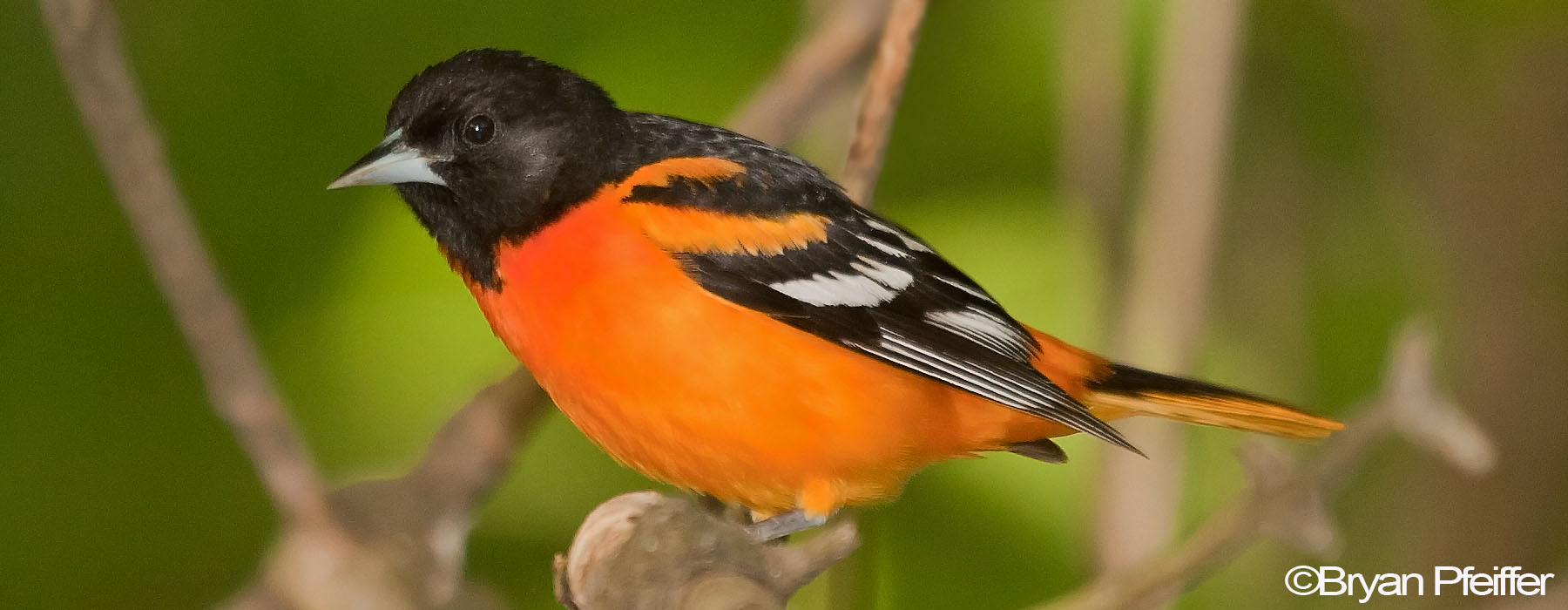
- Natural history: Baltimore Orioles were once considered the same species as the Bullock’s Oriole of the West, until scientists found the two only interbreed within a thin, long-persisting contact zone, and later genetic work confirmed they belong to two separate lineages. Before European settlement, suitable habitat for this oriole was probably limited to natural forest openings like beaver meadows and windthrow patches, so land clearing for farms and towns likely made Vermont’s population far larger than it was originally, a trend now reversing in the state’s more heavily forested regions as those farms revert to woods.
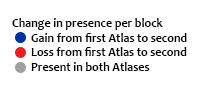
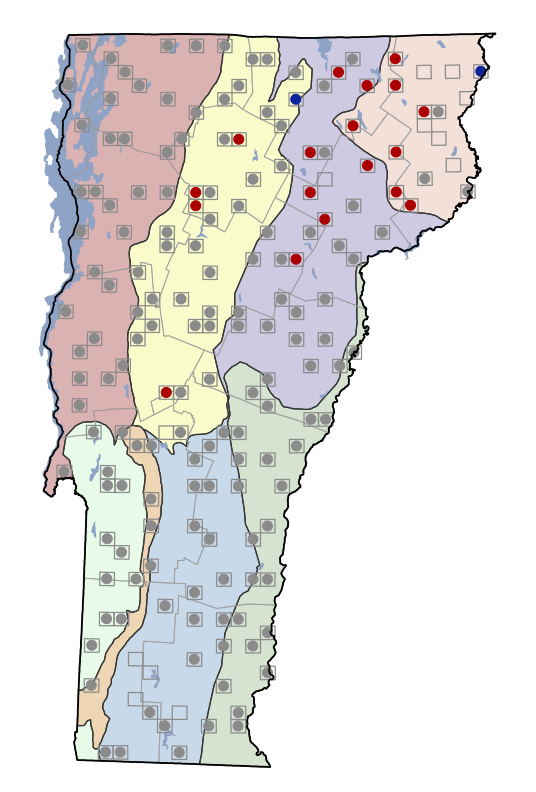
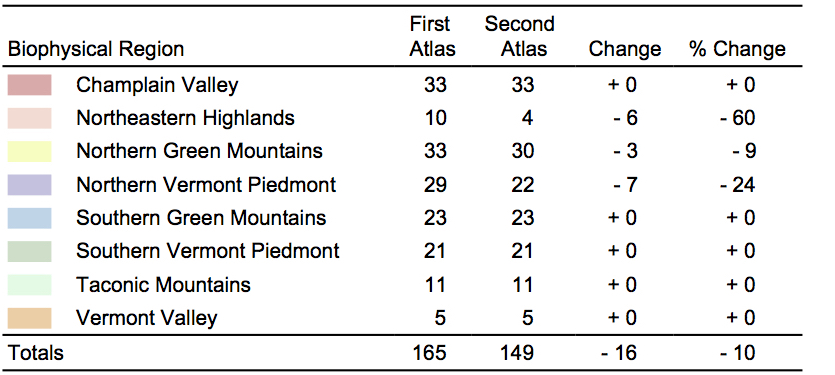
- Status in VT: Decreased by 10% (165 to 149 blocks). Greatest decrease in Northeastern Highlands.
- Data from other research: No additional data for VT.
- Conservation status: State rank S5B
- Other atlases: NY: -3%; PA: 3%; MD: stable; ON: -20%
- VT’s role in North American range: VT is near the northern edge of the range.
- Causes of change since first Atlas: Forest maturation; loss of habitat resulting from change in land use patterns, especially development.
- Management/Monitoring recommendations: No specific recommendations.
Population Trends
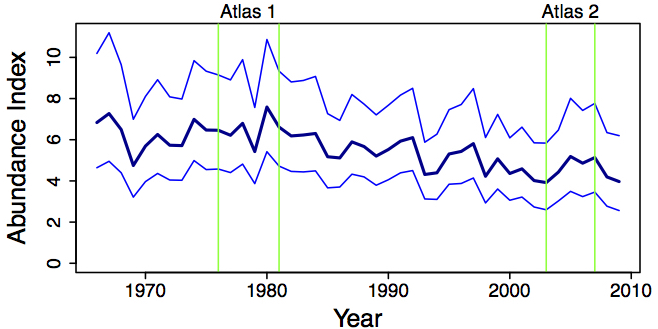
First Vermont Breeding Bird Atlas (1976-1981)
Second Vermont Breeding Bird Atlas (2003 – 2007)
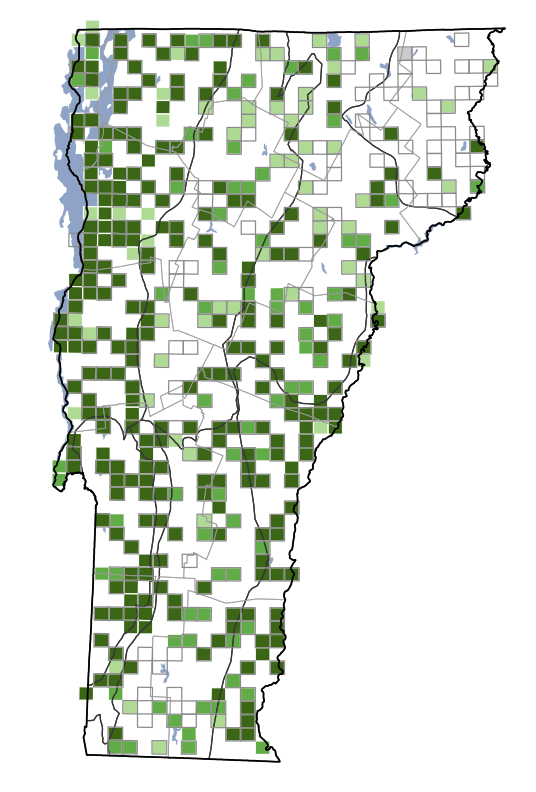
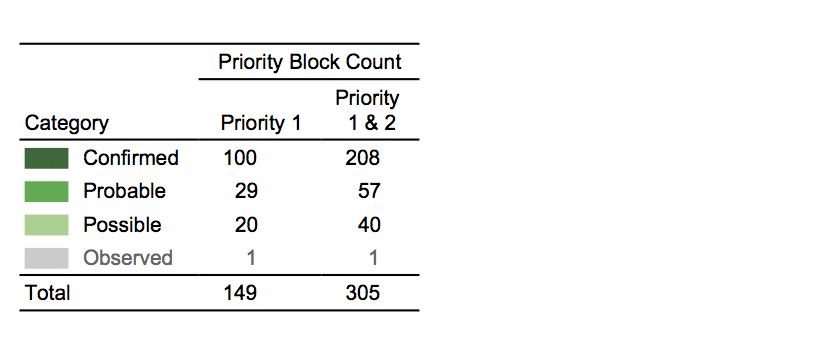
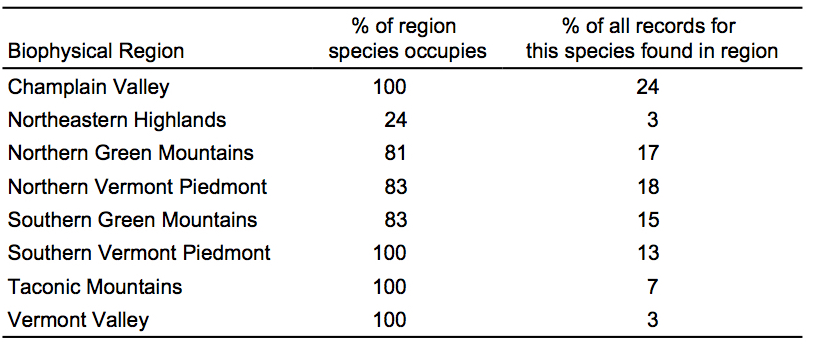
Change in Distribution