Vermonters have long upheld a tradition of documenting biodiversity. Biologists and community scientists have recently completed major statewide surveys of breeding birds, butterflies, reptiles and amphibians, bumble bees, and more. Join an active atlas and explore tone from the past to learn about the diversity and conservation status of our natural heritage.
Scientifically-designed atlases using survey blocks began in the United Kingdom in the 1960s. Vermont was one of the first to complete one in North America. Hundreds of wildlife atlases have been completed since at scales ranging from counties to states, or even entire countries. Most atlases simply document where each species occurs in survey blocks, but some also estimate abundance. Now, atlases are being repeated with a primary goal of determining whether and how wildlife distributions are changing. We've completed two breeding bird atlases in Vermont and are now doing our second butterfly atlas!
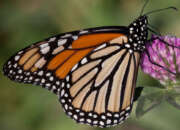
Second Vermont Butterfly Atlas
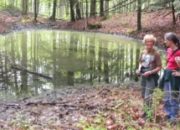
Vermont Vernal Pool Atlas
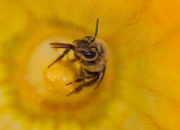
Vermont Wild Bee Survey
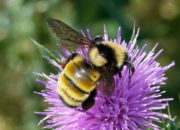
Vermont Bumble Bee Atlas
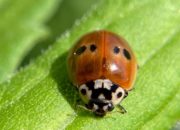
Vermont Lady Beetle Atlas
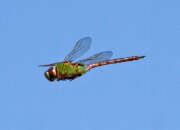
Vermont Dragonfly and Damselfly Atlas

Vermont Moth Atlas
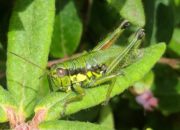
Vermont Orthoptera Atlas
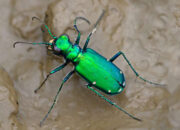
Vermont Tiger Beetle Atlas
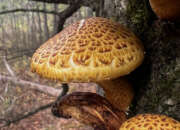
Vermont Fungi Atlas

Vermont Mammal Atlas
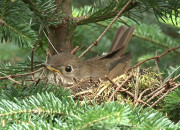
Vermont Breeding Bird Atlas
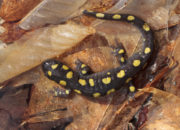
Vermont Reptile and Amphibian Atlas
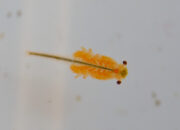
Vermont Fairy Shrimp Inventory