Summary
- Natural history: Common Grackles nest semi-colonially, sometimes forming loose colonies of ten to eighteen nests in a single stand of conifers, and the species boomed for two centuries as eastern forests gave way to farmland while western prairies were planted with agricultural shelterbelts. That population explosion made grackles a notorious pest of cornfields in many farming regions, and the species is also recognized as a notable vector of West Nile virus.
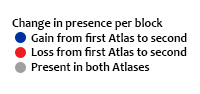
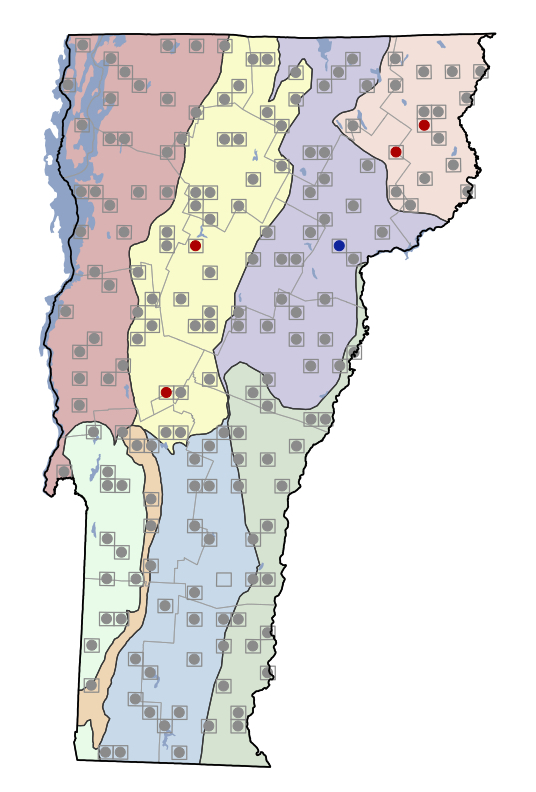
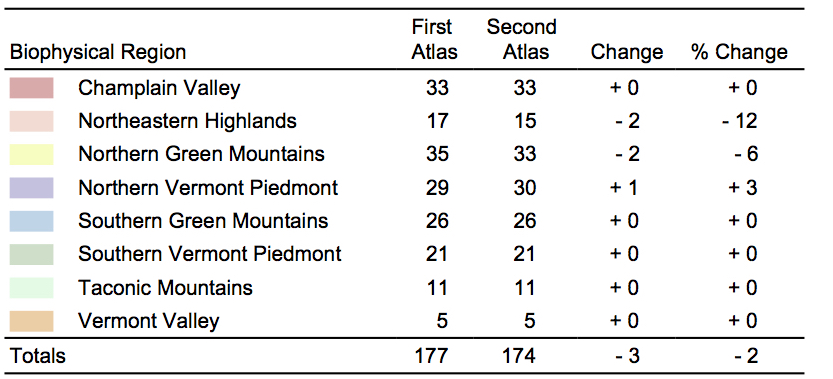
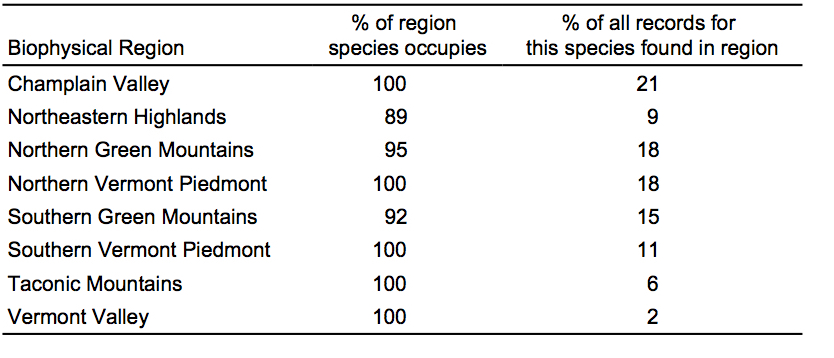
- Status in VT: Decreased by 2% (177 to 174 blocks). Greatest decrease in Northeastern Highlands.
- Data from other research: No additional data for VT.
- Conservation status: State rank S5B
- Other atlases: MD, NY, ON, and PA: stable
- VT’s role in North American range: VT is within the core of the range.
- Causes of change since first Atlas: Minimal change.
- Management/Monitoring recommendations: No current recommendations.
Population Trends
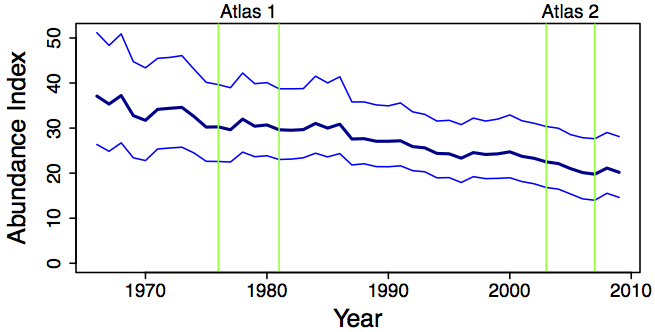
First Vermont Breeding Bird Atlas (1976-1981)
Second Vermont Breeding Bird Atlas (2003 – 2007)
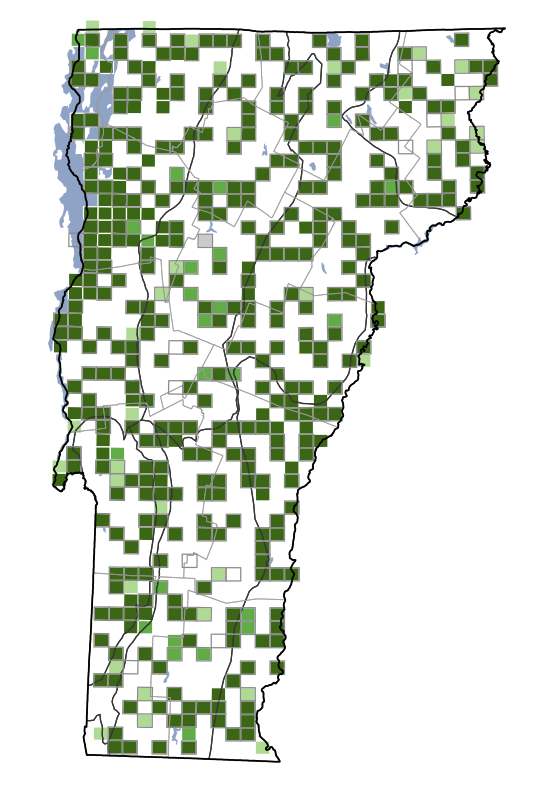

Change in Distribution