Summary
- Natural history: The Chestnut-sided Warbler was once considered one of the scarcest warblers on the continent, but the wholesale clearing of Vermont’s forests turned it into one of the most common breeding birds within its range. Its rise tracks the collapse of the state’s sheep-farming industry in the late 1800s, when abandoned pastures and cleared hillsides grew back into the brushy, early-successional habitat the bird depends on. Parents keep feeding their fledglings for up to four weeks after they leave the nest, which is why confirmed breeding records for the species stretch from June clear into mid-August.
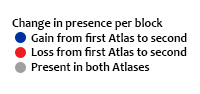
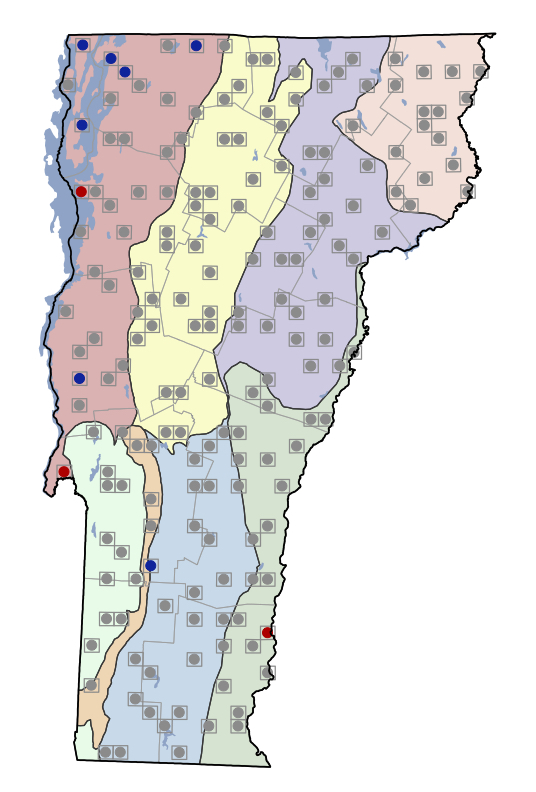
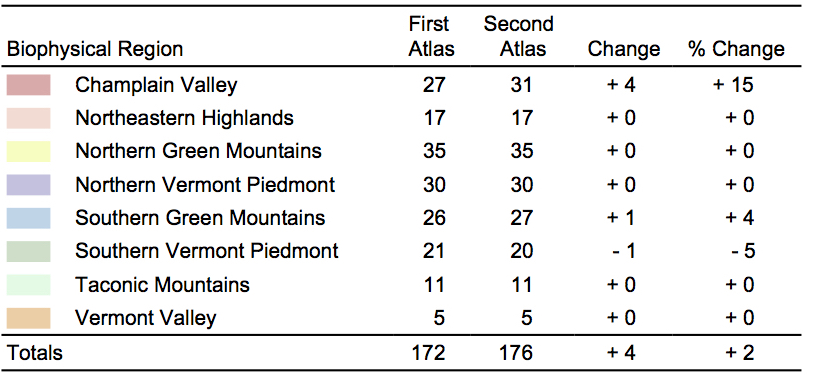
- Status in VT: Increased by 2% (172 to 176 blocks). Greatest increase in the Champlain Valley.
- Data from other research: BBS data indicate a significant decrease in abundance (-1.8% per year), though still abundant in VT.
- Conservation status: State rank S5B; SSC; SGCN
- Other atlases: NY: 10%; PA: 35%; ON: increase in all physiographic regions
- VT’s role in North American range: VT is within the core of the range.
- Causes of change since first Atlas:Distribution stable, decrease in abundance potentially due to: loss of successional habitats due to conversion to non-forested uses; reductions in active forest management.
- Management/Monitoring recommendations: Maintain seedling/sapling forest habitat.
Population Trends
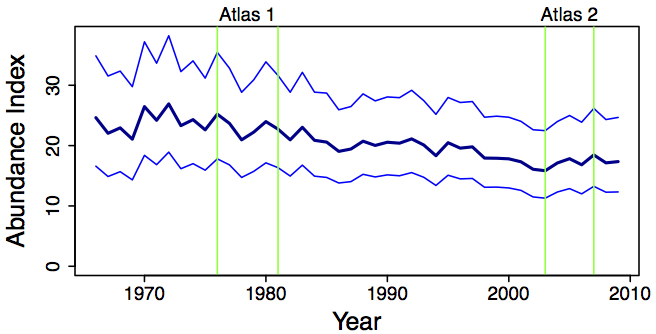
First Vermont Breeding Bird Atlas (1976-1981)
Second Vermont Breeding Bird Atlas (2003 – 2007)
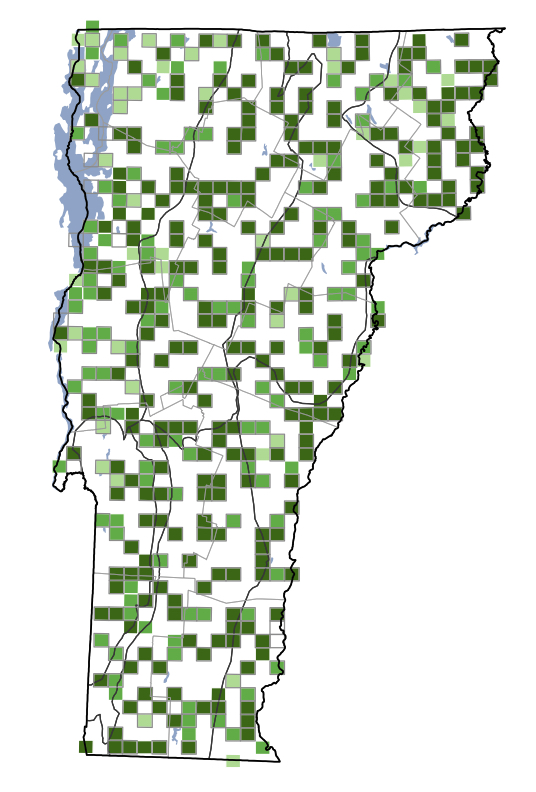
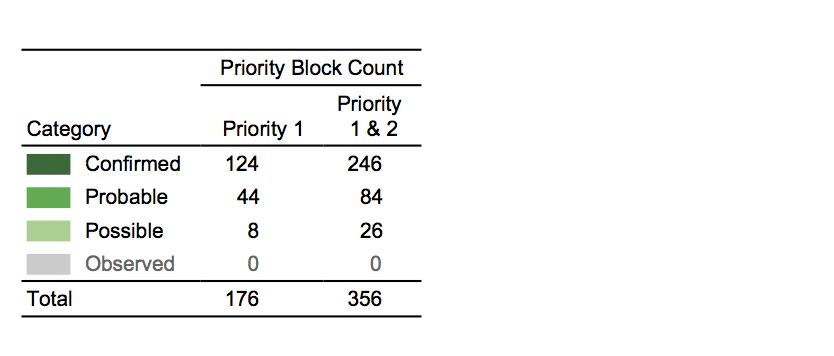
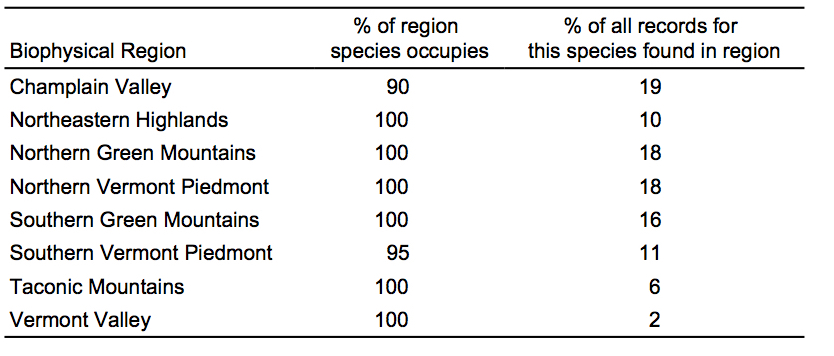
Change in Distribution
Links