Summary
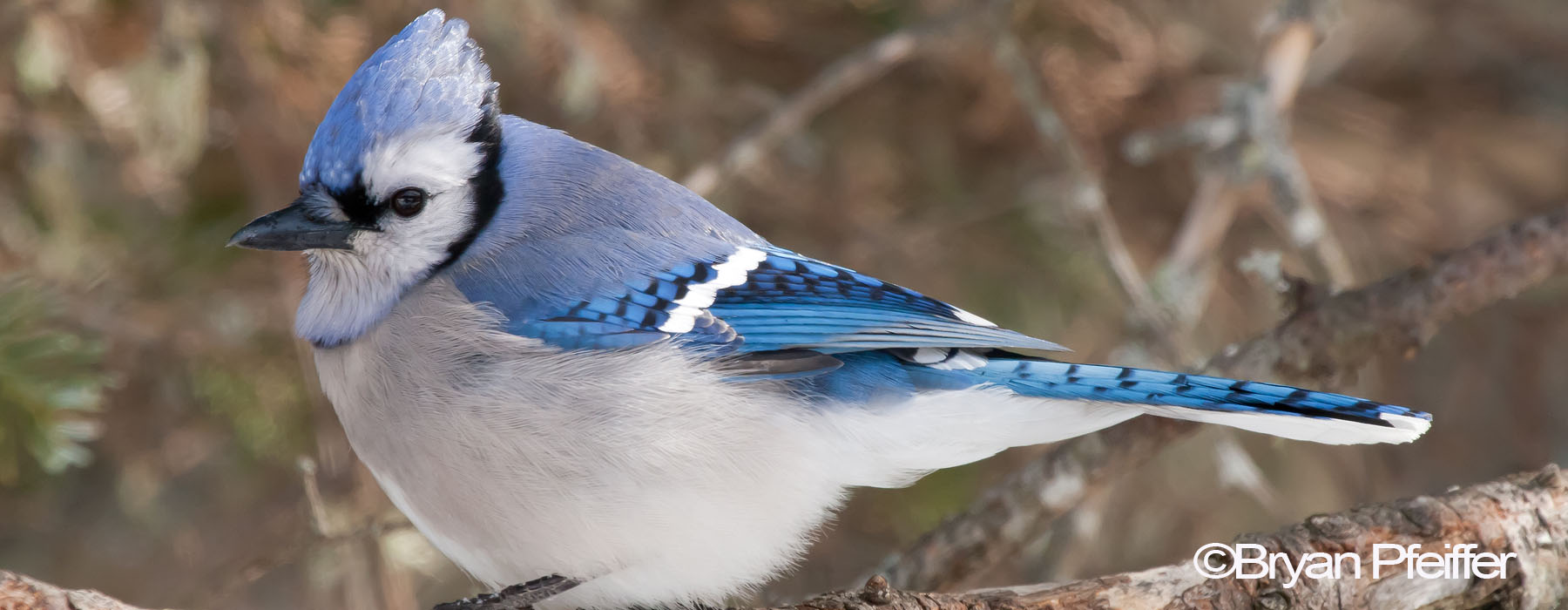
- Natural history: Blue Jays act as important, if accidental, foresters, since they cache far more acorns and beechnuts than they ever retrieve, and a single bird may inadvertently plant thousands of nuts a year, helping oak and beech forests spread and regenerate. Their migration habits are oddly mixed, with many Vermont jays heading south each fall even as other residents and Canadian migrants pour in to take their place at winter feeders, likely boosting the newcomers’ winter survival and readiness for the next breeding season. Originally a woodland species, Blue Jays have proven remarkably adaptable to people, expanding their range west to British Columbia, Montana, and Colorado in recent decades while remaining one of Vermont’s most common and widespread breeding birds.
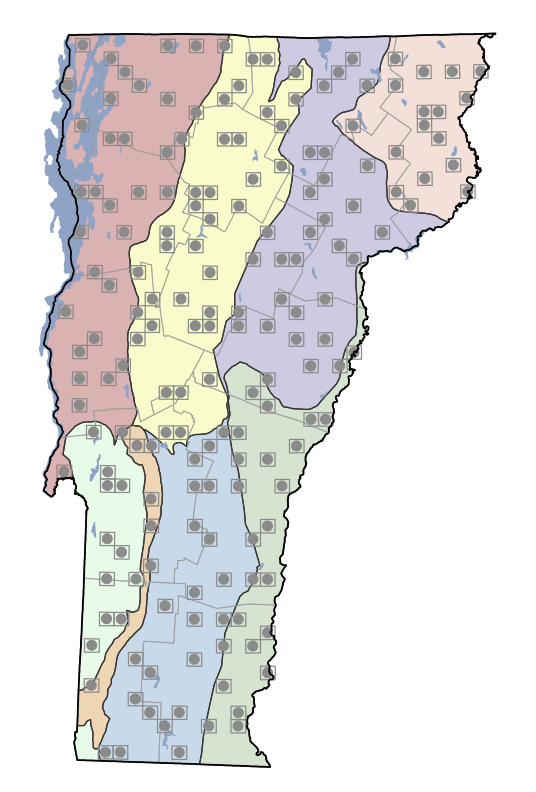
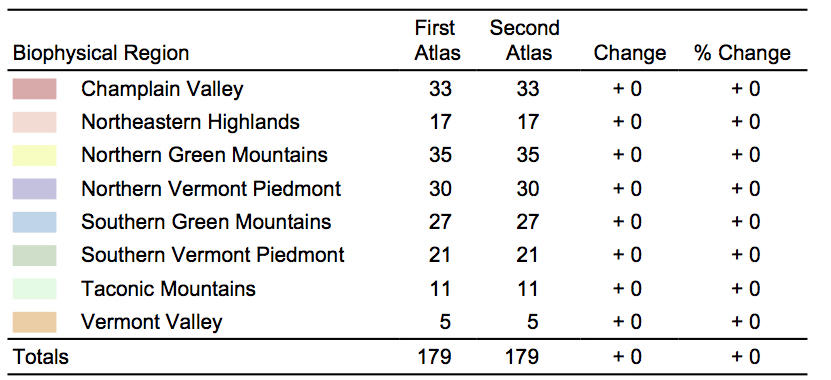
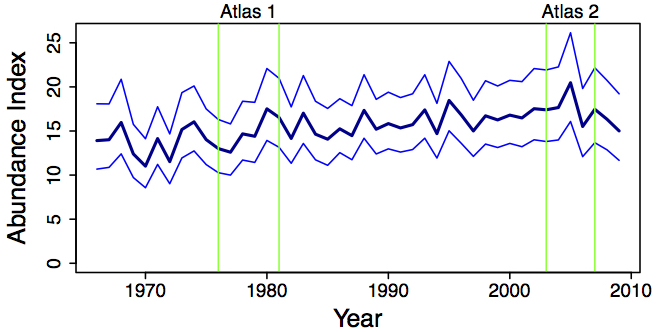
- Status in VT: No change. Common throughout the state during both atlases.
- Data from other research: No additional data for VT.
- Conservation status: State rank S5
- Other atlases: NY: no change; PA: no change; ON: no sig. change.
- VT’s role in North American range: VT is within the core of the range.
- Causes of change since first Atlas: No change.
- Management/Monitoring recommendations: No current recommendations.
Population Trends
First Vermont Breeding Bird Atlas (1976-1981)
Second Vermont Breeding Bird Atlas (2003 – 2007)
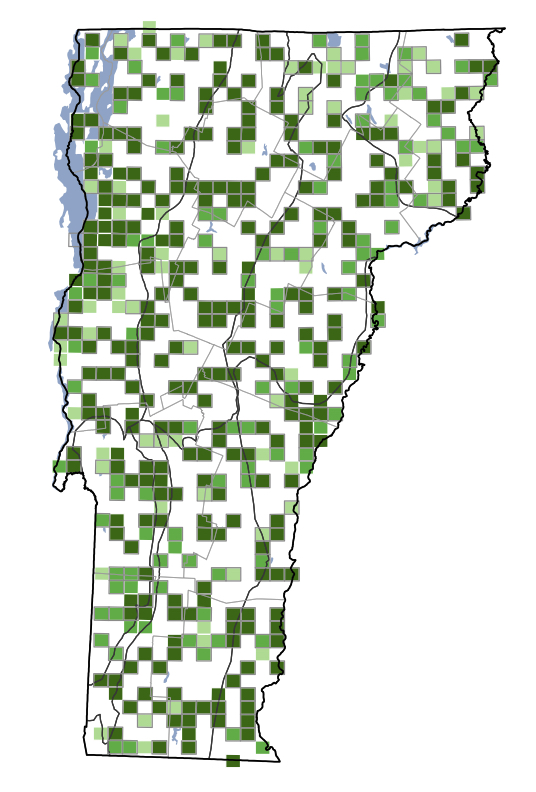

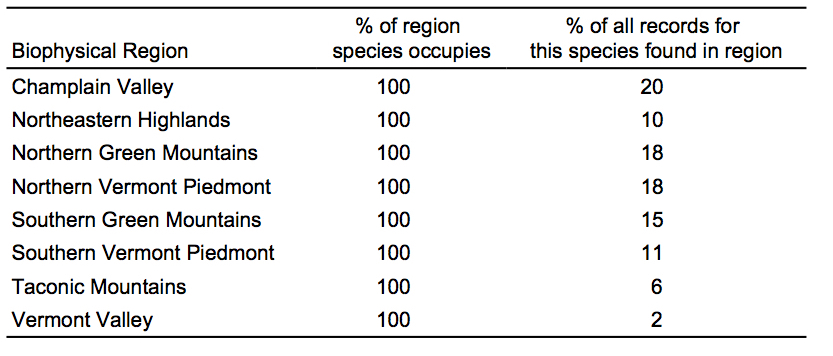
Change in Distribution