Skip to content
Ruby-throated Hummingbird (Archilochus colubris)
Summary
- Natural history: Before spring flowers open, early-arriving Ruby-throated Hummingbirds survive by tapping sap wells drilled by Yellow-bellied Sapsuckers, even chasing off other hummingbirds that try to share the sap. Many of these birds nearly double their body weight to around 6 or 7 grams before flying nonstop across the Gulf of Mexico to reach their Central American wintering grounds. Coffee farms that grow their beans under a forest canopy host far more wintering hummingbirds than sun-exposed plantations do, meaning a Vermonter’s coffee choice can genuinely affect which birds show up at the feeder next summer.
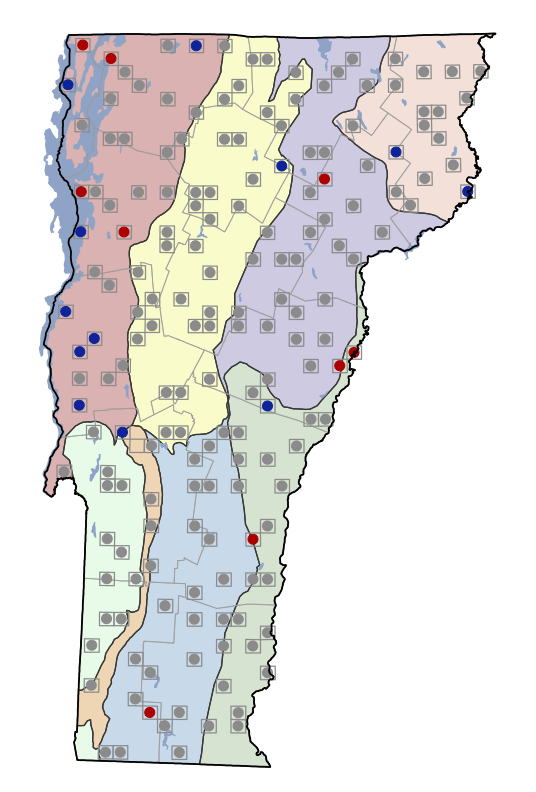
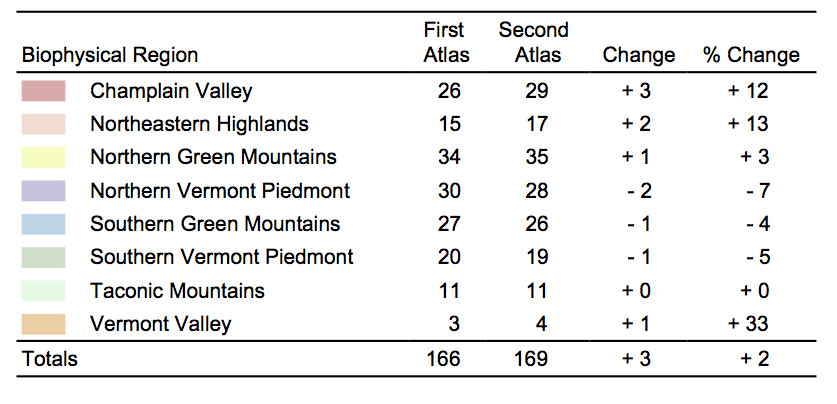
- Status in VT: Increased by 2% (166 to 169 blocks). Greatest increase in Vermont Valley.
- Data from other research: No additional data for VT.
- Conservation status: State rank S5B.
- Other atlases: NY: 21%; PA: 11%; ON: 20%.
- VT’s role in North American range: VT is within the core of the range.
- Causes of change since first Atlas: Unknown.
- Management/Monitoring recommendations:Purchase coffee discerningly; on wintering grounds, shade-grown coffee plantations support higher numbers of Ruby-throated Hummingbirds compared to sun coffee plantations.
Population Trends
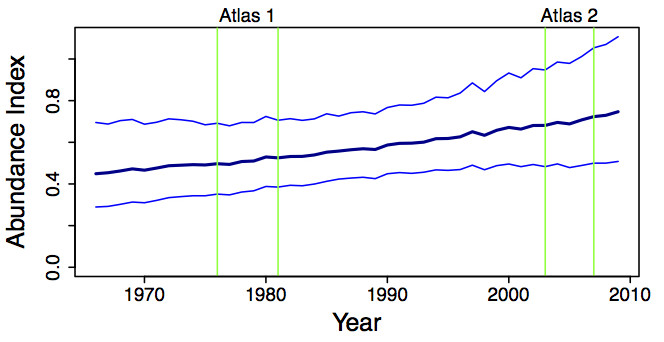
First Vermont Breeding Bird Atlas (1976-1981)
Species Account
Second Vermont Breeding Bird Atlas (2003 – 2007)
Species Account
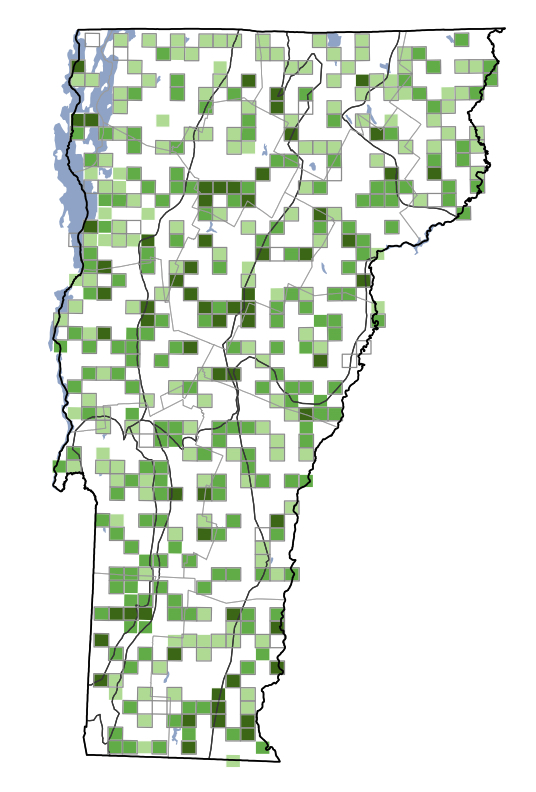
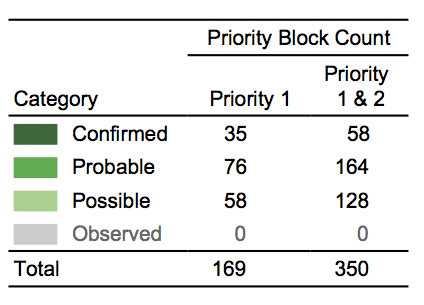
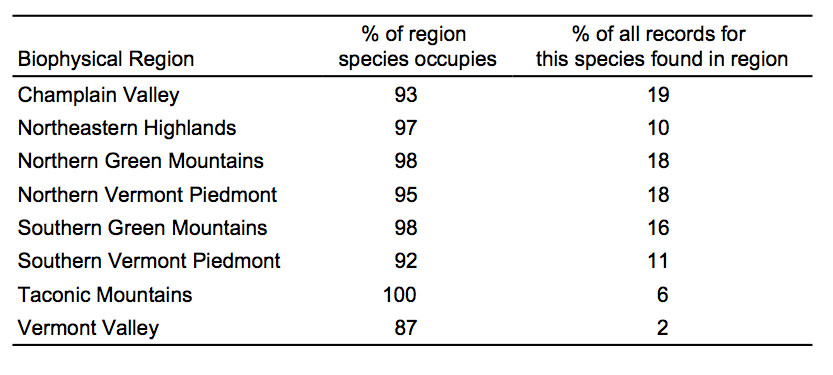
Change in Distribution

Links
Vermont eBird
Encyclopedia of Life
All About Birds